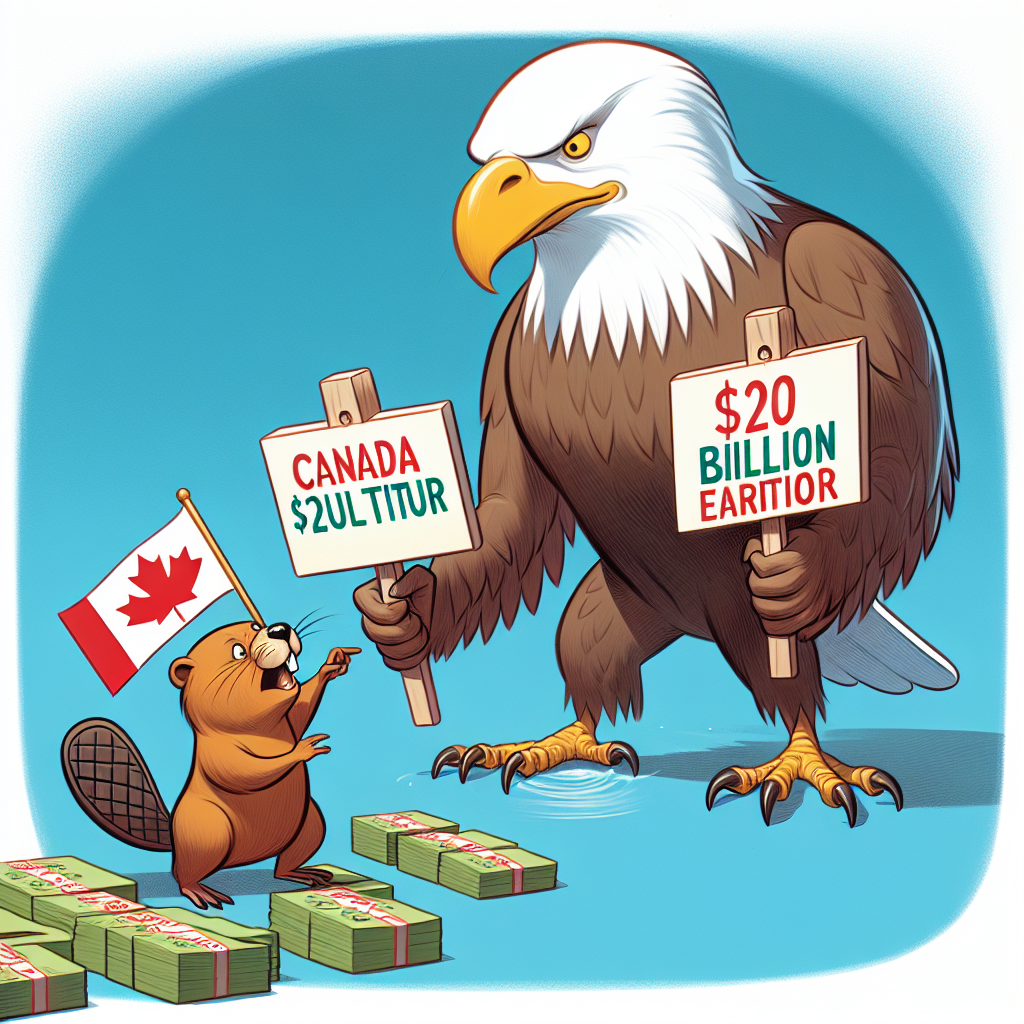
Canada Plans $20 Billion in Counter-Tariffs on US Goods
Canada’s Strategic Move: $20 Billion in Counter-Tariffs on US Goods
Introduction
In a bold economic maneuver, Canada has announced plans to impose $20 billion in counter-tariffs on a range of US goods. This decision comes as a response to ongoing trade tensions and aims to protect Canadian interests while encouraging negotiations.

Key Drivers Behind the Decision
- Retaliation Against US Tariffs: The move is primarily a response to tariffs imposed by the United States on Canadian products, which have strained bilateral trade relations.
- Economic Protection: By imposing counter-tariffs, Canada seeks to shield its industries from the adverse effects of US trade policies.
- Negotiation Leverage: The tariffs are intended to bring the US to the negotiating table for a more balanced trade agreement.
Targeted US Goods
The counter-tariffs will affect a diverse array of US products, strategically chosen to maximize impact and encourage dialogue.

- Agricultural Products: Key exports such as dairy and meat are likely to be targeted, affecting US farmers.
- Manufactured Goods: Items like machinery and automotive parts may face increased tariffs, impacting US manufacturers.
- Consumer Goods: Everyday items, including household products, could see price hikes, influencing consumer behavior.
Potential Impacts
The imposition of these counter-tariffs is expected to have significant repercussions on both economies.

- Economic Strain: Both countries may experience economic strain as industries adjust to new trade barriers.
- Price Increases: Consumers in both nations could face higher prices for affected goods.
- Trade Negotiations: The tariffs may expedite negotiations for a revised trade agreement, potentially easing tensions.
Conclusion
Canada’s decision to implement $20 billion in counter-tariffs on US goods marks a significant escalation in trade tensions. While aimed at protecting Canadian interests and prompting negotiations, the move could lead to economic challenges for both nations. The coming months will be crucial in determining whether this strategy will lead to a more balanced trade relationship or further strain economic ties.