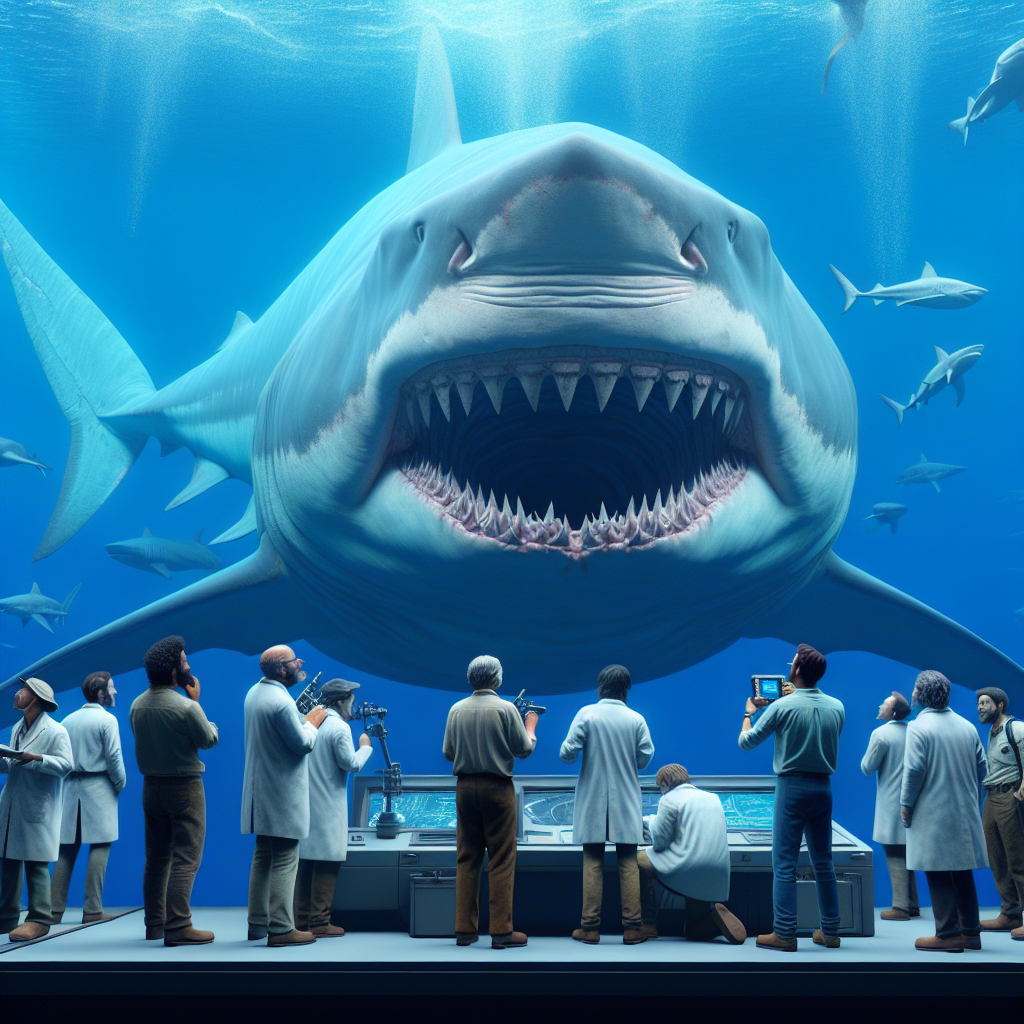
Scientists Reveal Largest Shark in History Was Even Bigger Than Thought
Scientists Reveal Largest Shark in History Was Even Bigger Than Thought
Introduction to the Megalodon
The Megalodon, an ancient marine predator, has long fascinated scientists and the public alike. Recent research has unveiled that this colossal shark was even larger than previously estimated, reshaping our understanding of its dominance in prehistoric oceans.

Key Findings
- Revised Size Estimates: New studies suggest the Megalodon could reach lengths of up to 65 feet, surpassing earlier estimates by several feet.
- Advanced Techniques: Researchers utilized cutting-edge 3D modeling and analysis of fossilized vertebrae to arrive at these new dimensions.
- Implications for Marine Ecosystems: The size of the Megalodon indicates it had a significant impact on marine ecosystems, likely preying on large marine mammals.
Research Methodology
Scientists employed innovative techniques to reassess the size of the Megalodon. By analyzing the growth rings in fossilized vertebrae, similar to tree rings, they could more accurately estimate the shark’s size and growth patterns.

Impact on Scientific Understanding
This revelation not only highlights the Megalodon’s formidable presence in ancient seas but also provides insights into the evolutionary pressures that shaped marine life during its era. Understanding the true size of the Megalodon helps scientists better comprehend the ecological dynamics of prehistoric oceans.

Conclusion
The discovery that the Megalodon was even larger than previously thought underscores the importance of continuous research and technological advancements in paleontology. This finding enriches our knowledge of ancient marine life and emphasizes the Megalodon’s role as a dominant predator in its time.