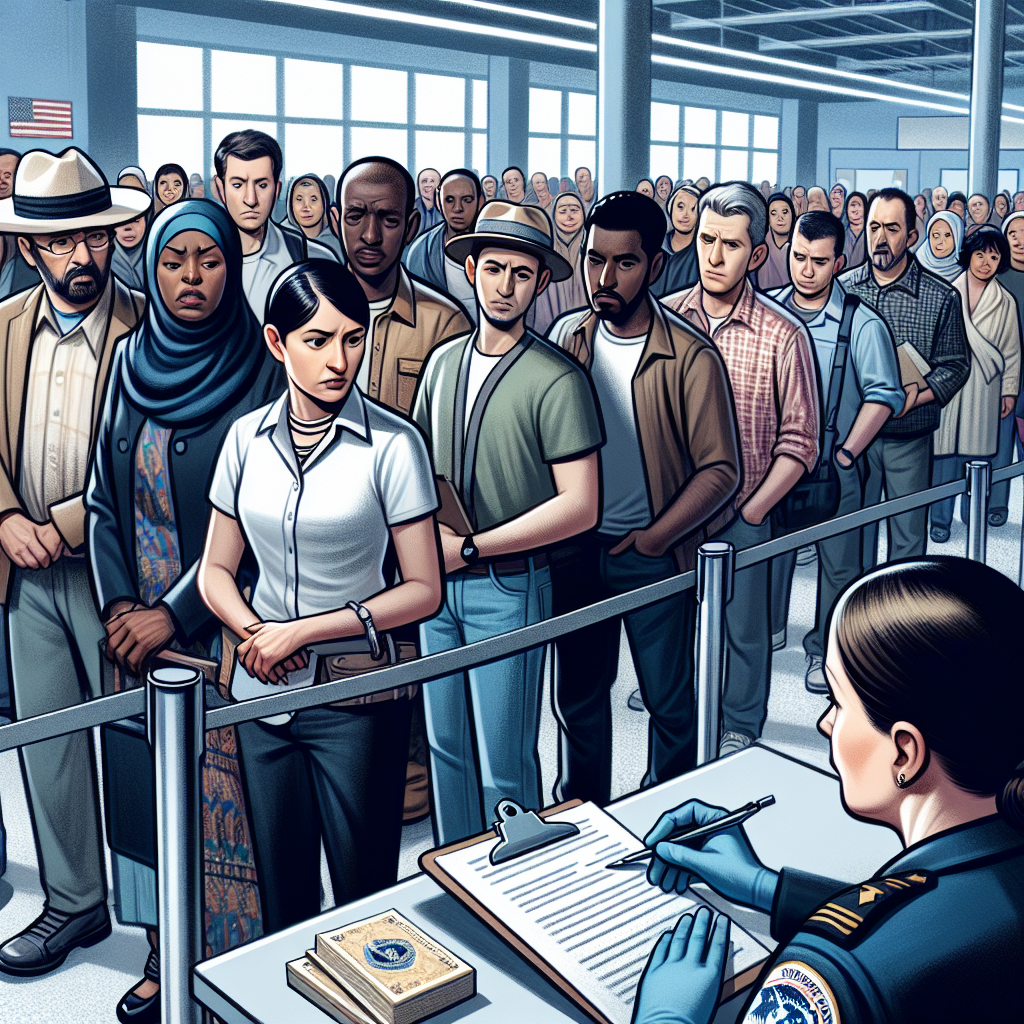
Routine Immigration Check-Ins Turn High-Stakes
Routine Immigration Check-Ins Turn High-Stakes
Introduction
Immigration check-ins, once considered routine procedures, have evolved into high-stakes encounters for many immigrants in the United States. This shift has significant implications for individuals and families navigating the complex immigration system.

Key Developments
- Increased Scrutiny: Immigration authorities have intensified their scrutiny during check-ins, leading to heightened anxiety among immigrants.
- Policy Changes: Recent policy shifts have contributed to the unpredictability of outcomes during these check-ins.
- Legal and Social Implications: The stakes are higher, with potential legal consequences and social disruptions for those involved.
Impact on Immigrants
The transformation of routine check-ins into high-stakes events has profound effects on immigrants:
Ads

- Fear and Uncertainty: Many immigrants face increased fear and uncertainty about their future in the country.
- Family Separation Risks: The possibility of detention or deportation during check-ins raises concerns about family separations.
- Community Support: Immigrant communities and advocacy groups are mobilizing to provide support and resources.
Response from Advocacy Groups
Advocacy groups are actively responding to these changes by:
Ads

- Legal Assistance: Offering legal support and guidance to those affected.
- Awareness Campaigns: Raising awareness about the risks and rights associated with immigration check-ins.
- Policy Advocacy: Pushing for policy reforms to ensure fair and humane treatment of immigrants.
Conclusion
The transformation of routine immigration check-ins into high-stakes encounters underscores the need for comprehensive immigration reform. As immigrants face increased challenges, the role of advocacy groups and community support becomes ever more crucial in navigating this evolving landscape.
Ads

Ads

Ads

Ads

Ads

Ads

Ads

Ads

Ads

Ads

Ads