South Asia Bursts with Color in Lively Holi Festivities
South Asia Bursts with Color in Lively Holi Festivities
Introduction to Holi
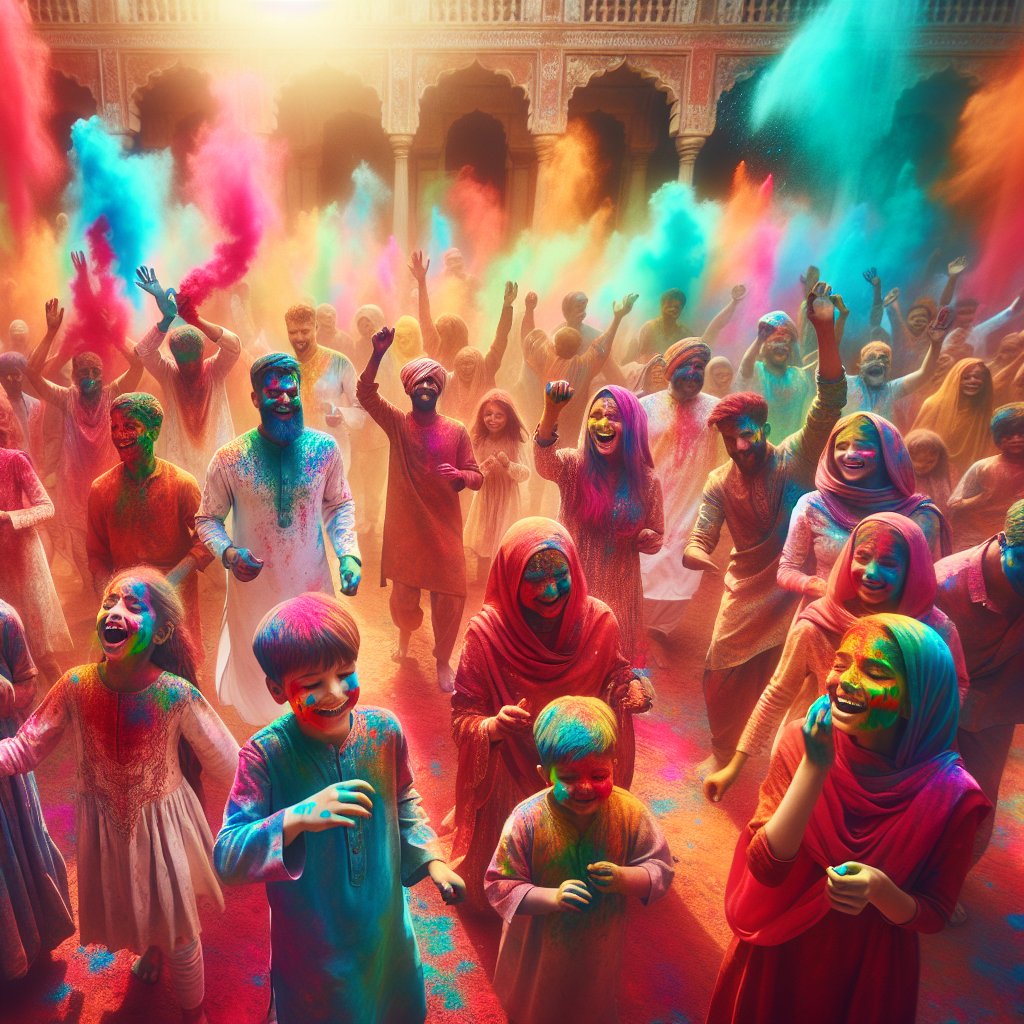
Holi, the vibrant festival of colors, is celebrated with great enthusiasm across South Asia, marking the arrival of spring and the triumph of good over evil. This joyous occasion is characterized by lively gatherings, colorful powders, and a spirit of unity and joy.

Key Highlights of Holi Celebrations
- Colorful Revelry: Participants joyfully throw colored powders and water at each other, creating a kaleidoscope of hues that symbolize the diversity and vibrancy of life.
- Traditional Music and Dance: The festivities are accompanied by traditional music and dance, with people singing and dancing to the beats of drums and other instruments.
- Community Bonding: Holi serves as a platform for strengthening community bonds, as people from different backgrounds come together to celebrate in harmony.
- Culinary Delights: Special delicacies such as gujiya, thandai, and other regional sweets are prepared and shared among friends and family.
Cultural Significance
Holi is deeply rooted in Hindu mythology, celebrating the victory of Lord Vishnu over the demoness Holika. It is a time for forgiveness, renewal, and the breaking down of social barriers, fostering a sense of togetherness and love.

Global Celebrations
While Holi is predominantly celebrated in India and Nepal, its popularity has spread worldwide, with vibrant celebrations taking place in various countries, showcasing the festival’s universal appeal and cultural significance.

Conclusion
Holi is more than just a festival of colors; it is a celebration of life, love, and unity. It brings people together, transcending cultural and social boundaries, and serves as a reminder of the joy and beauty that diversity brings to our lives.