
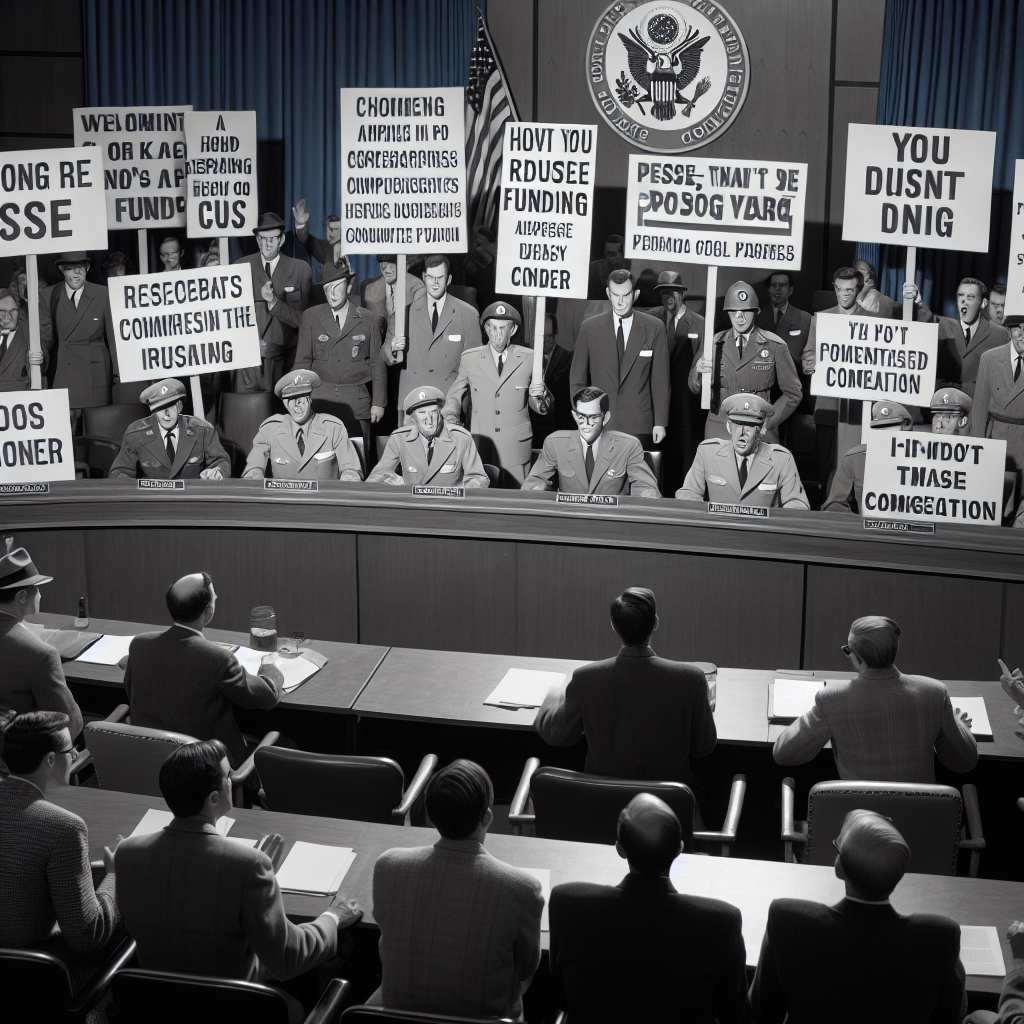
Cold War-Era US Propaganda Group Criticizes Funding Reduction
Cold War-Era US Propaganda Group Criticizes Funding Reduction
Background
A prominent Cold War-era US propaganda organization has recently voiced concerns over significant funding cuts. This group, which played a crucial role in disseminating American ideals during the Cold War, is now facing financial challenges that threaten its operations and outreach capabilities.

Key Concerns
- Operational Impact: The funding reduction could severely limit the group’s ability to continue its current projects and initiatives.
- Historical Significance: The organization has a storied history of promoting democracy and countering authoritarian narratives, making its continued operation vital for cultural diplomacy.
- Global Influence: Reduced funding may hinder the group’s ability to maintain its influence in key regions where it has historically been active.
Reactions and Implications
The funding cuts have sparked a debate about the importance of such organizations in the modern geopolitical landscape. Supporters argue that these groups are essential for maintaining soft power and promoting democratic values worldwide. Critics, however, question the relevance of Cold War-era tactics in today’s digital age.

Conclusion
The reduction in funding for this Cold War-era US propaganda group raises important questions about the future of cultural diplomacy and the role of historical organizations in contemporary international relations. As the debate continues, the organization must navigate these financial challenges while striving to uphold its mission of promoting democracy and countering authoritarianism.













