Analysis: Ukraine Faces the Prospect of a ‘Frozen’ Conflict
Analysis: Ukraine Faces the Prospect of a ‘Frozen’ Conflict
Current Situation
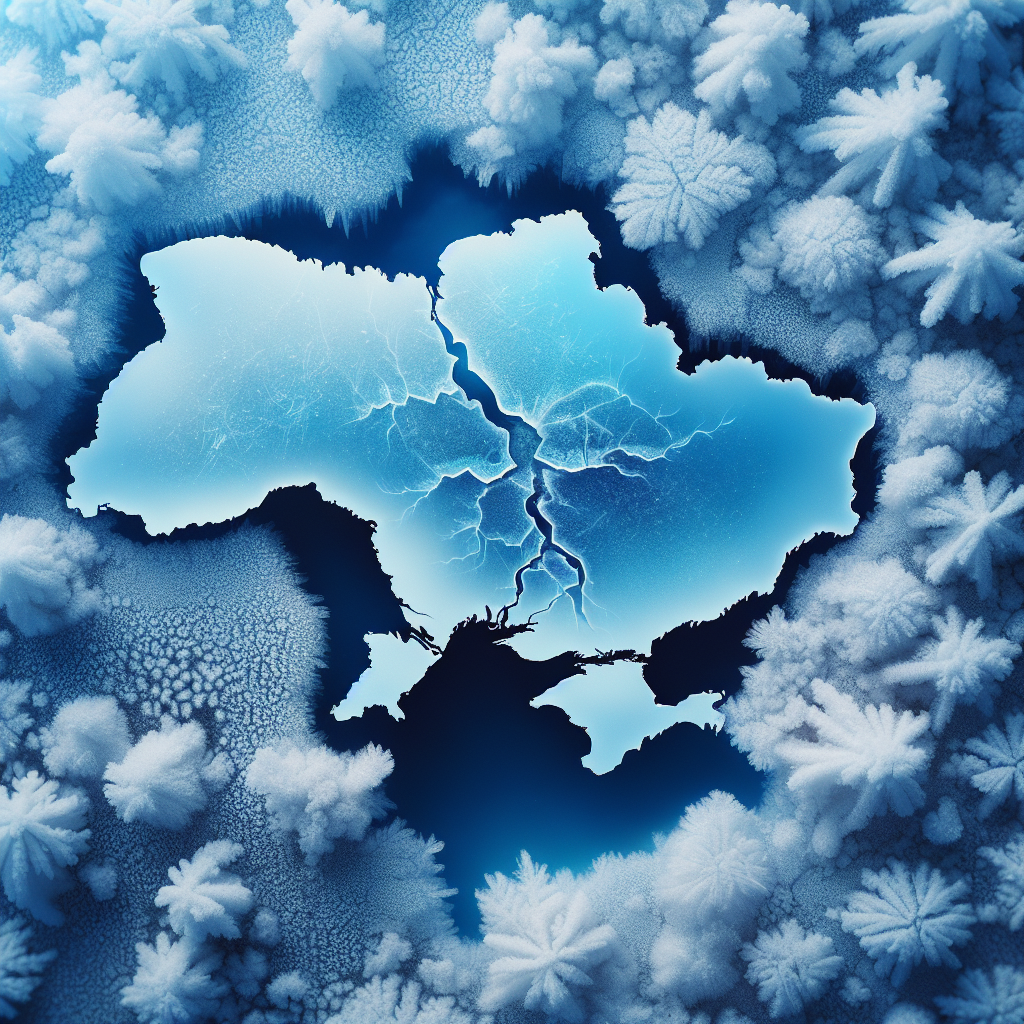
As the conflict between Ukraine and Russia continues, there is growing concern that the situation may evolve into a ‘frozen’ conflict. This term refers to a prolonged stalemate where active fighting diminishes, but no formal peace agreement is reached, leaving the underlying issues unresolved.

Key Factors Contributing to a ‘Frozen’ Conflict
- Military Stalemate: Both sides have entrenched positions, making significant territorial changes unlikely without substantial external intervention.
- International Involvement: While international actors have shown interest in mediating, geopolitical interests often complicate efforts to reach a lasting resolution.
- Economic Strain: Prolonged conflict has strained Ukraine’s economy, limiting its ability to sustain prolonged military engagement.
- Political Dynamics: Internal political pressures in both Ukraine and Russia influence their willingness to negotiate or escalate the conflict.
Potential Implications of a ‘Frozen’ Conflict
- Humanitarian Concerns: A prolonged stalemate could exacerbate the humanitarian crisis, with civilians bearing the brunt of ongoing tensions.
- Regional Stability: A ‘frozen’ conflict may destabilize the broader region, affecting neighboring countries and international relations.
- Economic Impact: Continued uncertainty could deter investment and economic recovery in Ukraine, hindering its development.
Conclusion
The prospect of a ‘frozen’ conflict in Ukraine presents significant challenges both domestically and internationally. While active fighting may decrease, the lack of a formal resolution could perpetuate instability and humanitarian issues. Addressing the root causes and engaging in meaningful dialogue remain crucial to preventing a prolonged stalemate and fostering lasting peace.
Ads

Ads

Ads

Ads

Ads

Ads

Ads

Ads

Ads

Ads

Ads

Ads