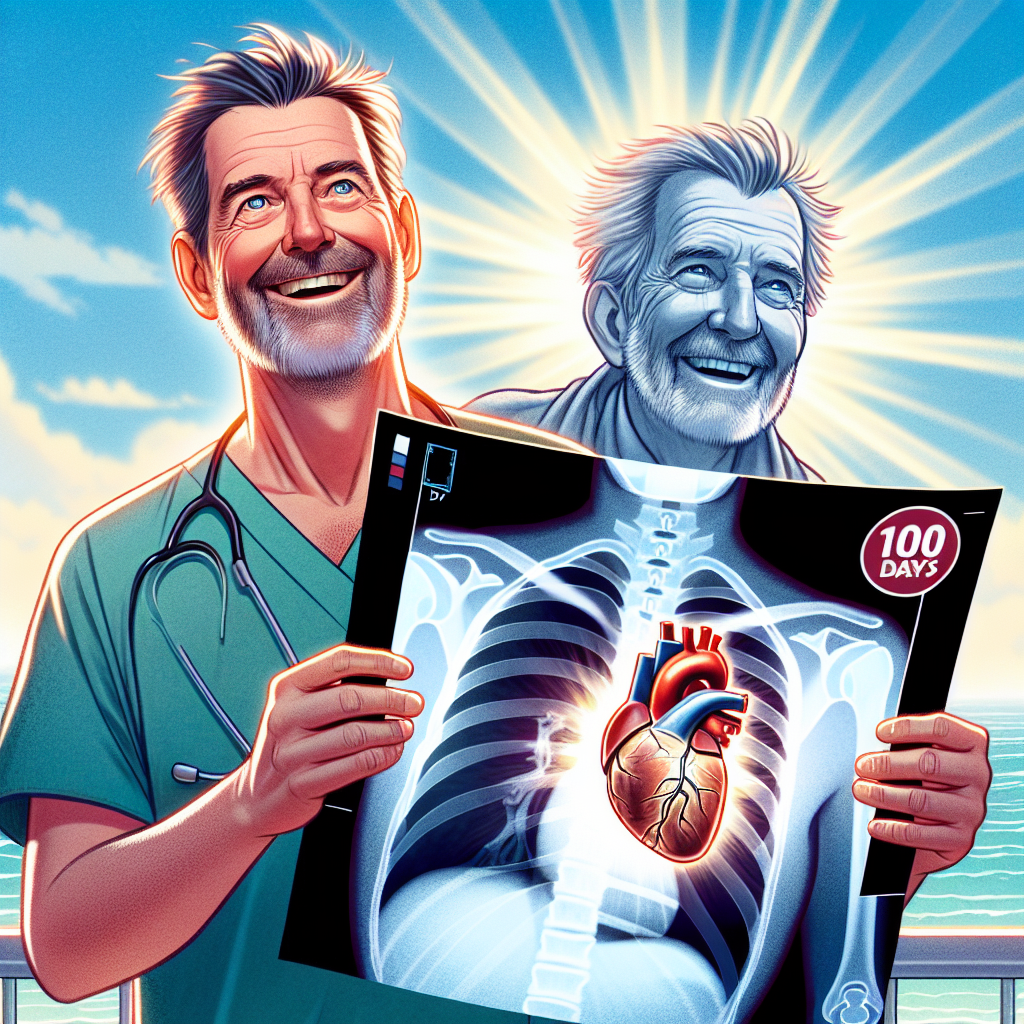
Australian Man Becomes First to Survive Over 100 Days with Titanium Heart Implant
Australian Man Survives Over 100 Days with Titanium Heart Implant
Introduction
An Australian man has made medical history by becoming the first person to survive over 100 days with a titanium heart implant. This groundbreaking achievement marks a significant milestone in the field of medical technology and offers hope for patients with severe heart conditions.

Key Highlights
- Innovative Technology: The titanium heart implant represents a cutting-edge advancement in cardiac care, designed to support patients with end-stage heart failure.
- Patient’s Journey: The patient, whose identity remains confidential, underwent the implant procedure after exhausting other treatment options.
- Medical Team: A team of skilled surgeons and medical professionals in Australia performed the complex procedure, showcasing their expertise and dedication.
- Recovery and Monitoring: The patient has been closely monitored throughout the recovery process, with regular check-ups to ensure the implant’s functionality and the patient’s well-being.
Implications for the Future
This successful case opens new avenues for the treatment of heart failure, potentially reducing the need for heart transplants and offering a viable alternative for patients worldwide. The titanium heart implant could revolutionize cardiac care, providing a durable and effective solution for those in critical need.

Conclusion
The survival of an Australian man for over 100 days with a titanium heart implant is a remarkable achievement in medical science. This breakthrough not only highlights the potential of advanced medical technology but also offers hope to countless individuals suffering from severe heart conditions. As research and development continue, the future of cardiac care looks promising, with innovative solutions like the titanium heart implant paving the way for improved patient outcomes.