Air Canada Updates Maps Following Controversy Over Israel and Palestinian Territories
Air Canada Updates Maps Following Controversy Over Israel and Palestinian Territories
Background
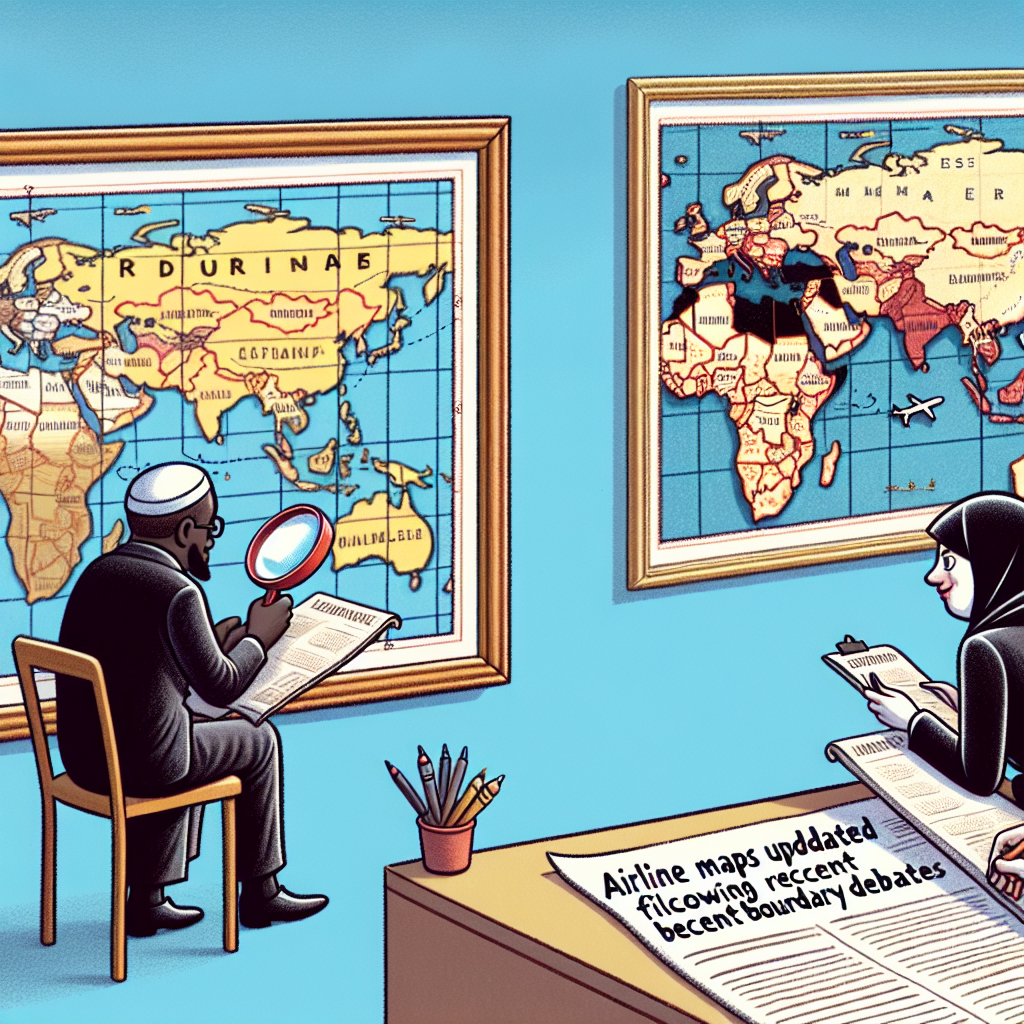
Air Canada recently faced backlash over its in-flight maps, which omitted certain geographical labels related to Israel and the Palestinian territories. This sparked a debate over the representation of these regions, leading to public outcry and demands for change.

Controversy Details
- The maps did not label Israel, the West Bank, or the Gaza Strip, which many viewed as a political statement.
- Critics argued that the omission was insensitive and failed to recognize the complex geopolitical realities of the region.
- The issue gained traction on social media, prompting widespread discussion and criticism.
Air Canada’s Response
In response to the controversy, Air Canada took swift action to address the concerns raised by passengers and the public.

- The airline announced updates to its in-flight map system to include the omitted labels.
- Air Canada emphasized its commitment to neutrality and respect for all passengers.
- The company stated that the omission was unintentional and not reflective of any political stance.
Public Reaction
The airline’s decision to update the maps was met with mixed reactions:

- Some praised Air Canada for quickly addressing the issue and making necessary changes.
- Others remained skeptical, questioning the airline’s initial oversight.
- The incident sparked broader discussions about the representation of disputed territories in global media and corporate communications.
Conclusion
Air Canada’s map update highlights the sensitivity and complexity of geopolitical issues in corporate settings. The airline’s prompt response underscores the importance of addressing public concerns and maintaining a neutral stance in contentious matters. This incident serves as a reminder of the impact of global perceptions and the need for careful consideration in international representations.