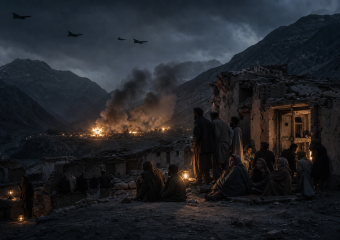
What Led to the Breakdown of the Ceasefire in Gaza?
What Led to the Breakdown of the Ceasefire in Gaza?
Background of the Ceasefire Agreement
The ceasefire in Gaza was initially established to halt ongoing hostilities and provide a framework for peace. It was brokered by international mediators aiming to reduce tensions and prevent further escalation in the region.

Key Factors Contributing to the Breakdown
Several critical factors led to the collapse of the ceasefire, each playing a significant role in reigniting conflict:

- Mutual Distrust: Long-standing mistrust between the involved parties undermined the ceasefire’s stability, with each side doubting the other’s commitment to peace.
- Provocative Actions: Incidents perceived as provocations, such as military operations and retaliatory attacks, fueled tensions and eroded the ceasefire’s effectiveness.
- Political Pressures: Internal political dynamics and pressures from hardline factions within both parties contributed to the breakdown, as leaders faced challenges in maintaining support for the ceasefire.
- Lack of Enforcement Mechanisms: The absence of robust mechanisms to enforce the ceasefire terms allowed violations to occur with impunity, weakening the agreement’s credibility.
International Reactions and Efforts
The international community responded with concern, urging both sides to return to negotiations and restore calm. Efforts by mediators to re-establish dialogue and address underlying issues are ongoing, though progress remains uncertain.

Impact on Civilians
The breakdown of the ceasefire has had severe humanitarian consequences, exacerbating the plight of civilians in the region. Increased hostilities have led to casualties, displacement, and a worsening humanitarian crisis.
Conclusion
The breakdown of the ceasefire in Gaza highlights the complex interplay of distrust, provocations, political pressures, and inadequate enforcement mechanisms. While international efforts continue to seek a resolution, the situation remains fragile, with significant implications for regional stability and civilian well-being.