The Necessity of Self-Deception for Survival in Gaza
The Necessity of Self-Deception for Survival in Gaza
Understanding the Context
Gaza, a region marked by prolonged conflict and hardship, presents a unique psychological landscape where survival often hinges on the ability to maintain hope amidst despair. The concept of self-deception emerges as a crucial coping mechanism for its inhabitants.

The Role of Self-Deception
Self-deception, while typically viewed negatively, serves as a vital tool for mental resilience in Gaza. It allows individuals to:

- Maintain optimism despite dire circumstances.
- Preserve mental health by filtering out overwhelming negativity.
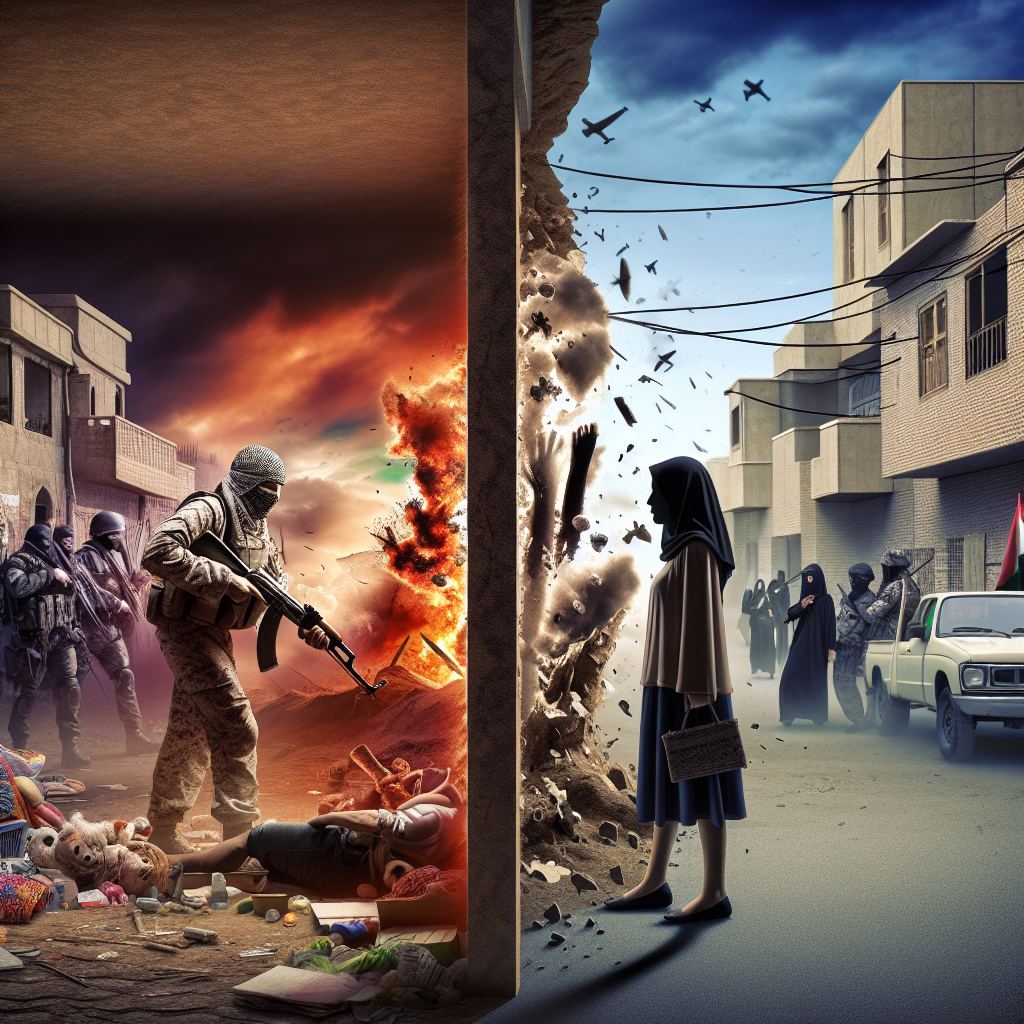
- Foster a sense of normalcy in an environment of chaos.
Psychological Insights
Experts suggest that self-deception can be a double-edged sword. While it aids in short-term survival, it may also hinder long-term problem-solving and adaptation. Key insights include:

- The balance between reality and illusion is crucial for effective coping.
- Community support and shared narratives enhance collective resilience.
- Awareness of self-deception can empower individuals to use it constructively.
Implications for the Future
Understanding the necessity of self-deception in Gaza offers broader implications for conflict zones worldwide. It highlights the importance of psychological strategies in enduring prolonged adversity and the potential for these strategies to inform humanitarian efforts.
Conclusion
In summary, self-deception in Gaza is not merely a psychological quirk but a survival strategy. It underscores the human capacity to adapt mentally to extreme conditions, offering valuable lessons in resilience and the power of the mind to navigate through persistent challenges.