The Controversy Surrounding Emperor Aurangzeb’s 17th-Century Grave in India
The Controversy Surrounding Emperor Aurangzeb’s 17th-Century Grave in India
Introduction
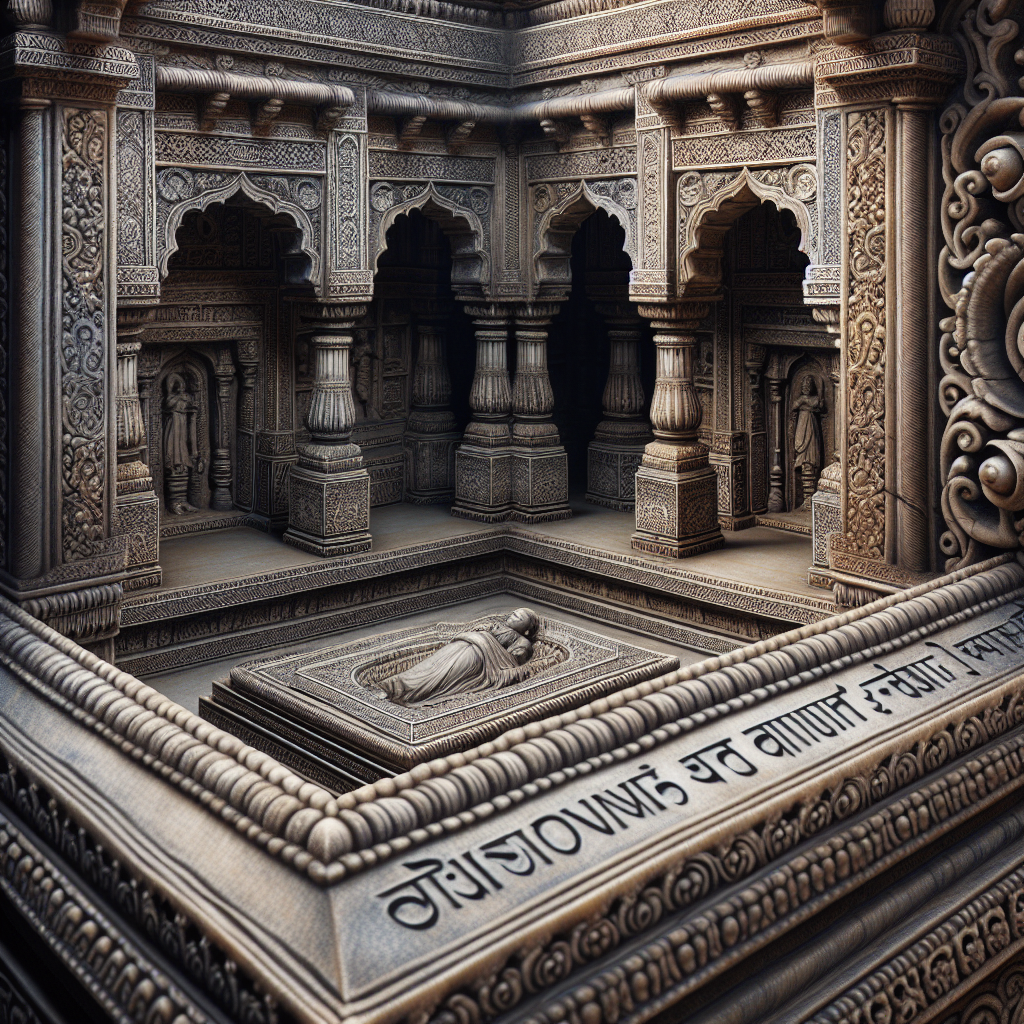
The grave of Emperor Aurangzeb, a 17th-century Mughal ruler, has become a focal point of controversy in India. This historical site, located in Maharashtra, has sparked debates over its cultural significance and the legacy of Aurangzeb himself.

Background
Aurangzeb, known for his expansion of the Mughal Empire, is a polarizing figure in Indian history. His reign is often criticized for religious intolerance and destruction of cultural heritage, which has led to differing opinions on how his grave should be treated today.

Key Issues
- Historical Significance: Aurangzeb’s grave is a site of historical importance, attracting both tourists and historians interested in Mughal history.
- Political Tensions: The site has become a flashpoint for political groups, with some advocating for its preservation and others calling for its removal due to Aurangzeb’s controversial legacy.
- Cultural Heritage: The debate raises questions about how India should handle sites associated with contentious historical figures.
Current Developments
Recent discussions have intensified, with various stakeholders, including government officials, historians, and local communities, weighing in on the future of the site. Proposals range from maintaining the grave as a historical monument to repurposing the site to reflect a more inclusive narrative.

Conclusion
The controversy surrounding Emperor Aurangzeb’s grave highlights the complexities of dealing with historical legacies in modern India. It underscores the ongoing struggle to balance historical preservation with contemporary values and political sentiments.
In summary, the debate over Aurangzeb’s grave is not just about a physical site but also about how history is remembered and interpreted in a diverse and evolving society.