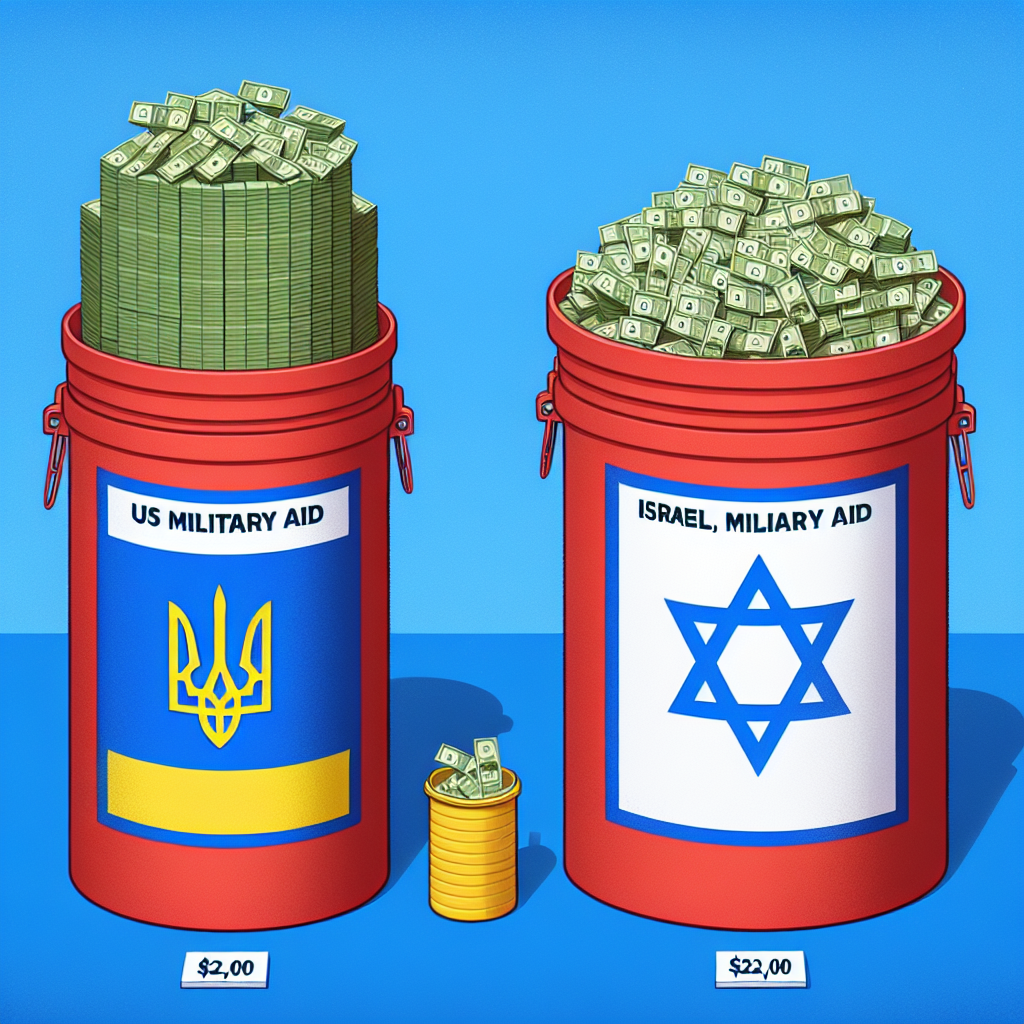
Significant Contrast in US Military Aid to Ukraine and Israel
Significant Contrast in US Military Aid to Ukraine and Israel
Introduction
The United States has been a pivotal player in providing military aid to both Ukraine and Israel. However, the nature and scale of this support differ significantly between the two nations. This summary explores the key differences in US military aid to Ukraine and Israel, highlighting the strategic, political, and financial aspects that shape these relationships.

Strategic Objectives
The US military aid to Ukraine and Israel serves distinct strategic purposes, reflecting the unique geopolitical challenges each country faces.

- Ukraine: The aid primarily aims to counter Russian aggression and support Ukraine’s sovereignty and territorial integrity.
- Israel: The focus is on maintaining Israel’s qualitative military edge in the Middle East, ensuring its security amidst regional tensions.
Financial Disparities
The financial scale of US military aid to Ukraine and Israel reveals a stark contrast in the level of support provided.

- Ukraine: Since 2014, the US has provided over $3 billion in security assistance, with a significant increase following the 2022 Russian invasion.
- Israel: The US allocates approximately $3.8 billion annually under a 10-year memorandum of understanding, making it the largest recipient of US foreign military aid.
Political Considerations
Political dynamics play a crucial role in shaping the US military aid policies towards Ukraine and Israel.
- Ukraine: Aid is often subject to political debates within the US, with discussions focusing on the extent of involvement in Eastern European conflicts.
- Israel: The aid enjoys broad bipartisan support, reflecting the strong US-Israel alliance and shared democratic values.
Military Equipment and Training
The type of military support provided to Ukraine and Israel varies, tailored to their specific defense needs.
- Ukraine: The US supplies defensive weapons, training, and intelligence support to bolster Ukraine’s defense capabilities against Russian forces.
- Israel: Advanced military technology, including missile defense systems like Iron Dome, is a key component of US aid, enhancing Israel’s defense infrastructure.
Conclusion
The US military aid to Ukraine and Israel reflects distinct strategic priorities, financial commitments, and political considerations. While Ukraine receives support primarily to counter Russian aggression, Israel benefits from a longstanding alliance aimed at maintaining regional security. Understanding these differences is crucial for comprehending the broader implications of US foreign policy in these regions.