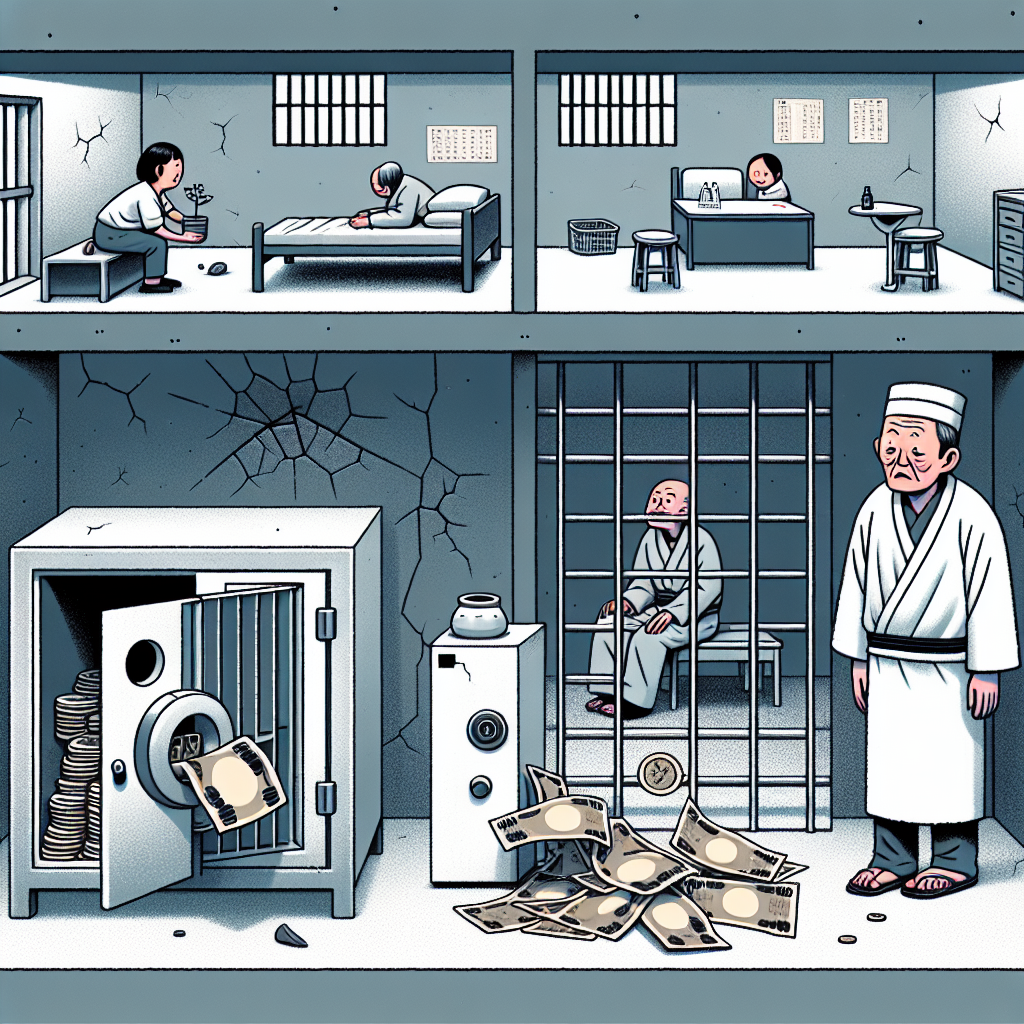
Japan Allocates $1.4 Million to Longest-Serving Death Row Inmate
Japan Allocates $1.4 Million to Longest-Serving Death Row Inmate
Introduction
In a landmark decision, Japan has allocated $1.4 million in compensation to Iwao Hakamada, the world’s longest-serving death row inmate. This move comes after decades of legal battles and growing concerns over the fairness of his trial and conviction.

Background
Iwao Hakamada, now in his 80s, was convicted in 1968 for the murder of a family of four. His case has been marred by allegations of forced confessions and questionable evidence, leading to widespread calls for justice and reform in Japan’s legal system.

Key Developments
- Compensation Awarded: The Japanese government has agreed to pay Hakamada $1.4 million as compensation for his wrongful imprisonment.
- Legal Battles: Hakamada’s conviction was overturned in 2014, but the legal process has been prolonged, with the Supreme Court ordering a retrial in 2020.
- International Attention: The case has drawn significant international attention, highlighting issues within Japan’s criminal justice system, particularly concerning the treatment of death row inmates.
Implications
This compensation is seen as a significant step towards addressing miscarriages of justice in Japan. It underscores the need for legal reforms and greater scrutiny of the country’s judicial processes.

Conclusion
The $1.4 million compensation to Iwao Hakamada marks a pivotal moment in Japan’s legal history, emphasizing the importance of justice and the need for systemic reforms. This case serves as a reminder of the potential flaws in judicial systems and the ongoing global conversation about human rights and legal fairness.