Melting Glaciers Heighten Flash Flood Threat for Millions
Melting Glaciers Heighten Flash Flood Threat for Millions
The Growing Threat
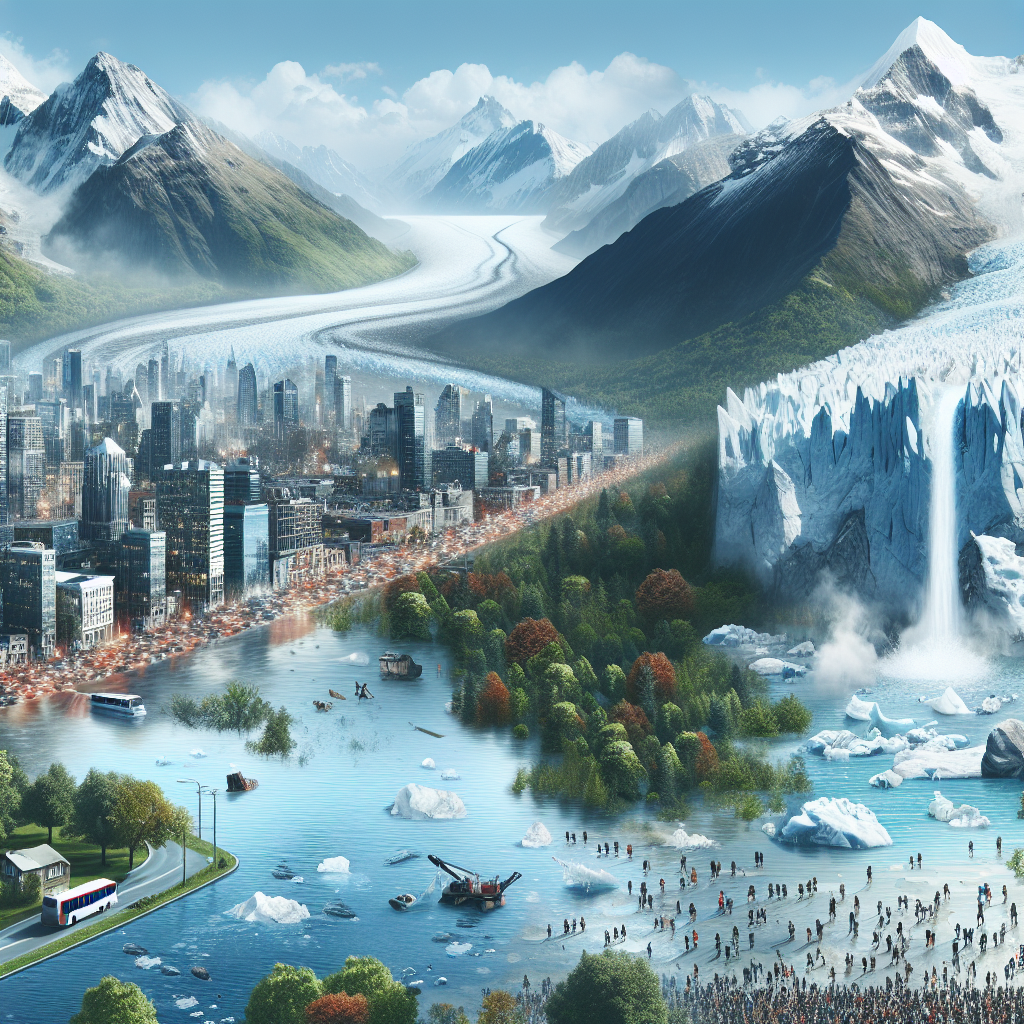
As global temperatures rise, glaciers around the world are melting at unprecedented rates. This phenomenon is not only altering landscapes but also significantly increasing the risk of flash floods, posing a severe threat to millions of people living downstream.

Key Insights
- Accelerated Melting: Glaciers are losing mass faster than ever, contributing to rising sea levels and increased water flow in rivers.
- Flash Floods: The rapid melting leads to the formation of glacial lakes, which can burst and cause sudden, devastating floods.
- Vulnerable Populations: Communities in mountainous regions, particularly in Asia and South America, are at heightened risk due to their proximity to glaciers.
- Environmental Impact: The loss of glaciers affects local ecosystems, water supply, and agriculture, further exacerbating the challenges faced by these communities.
Global Response
Efforts are underway to mitigate the risks associated with melting glaciers. These include:

- Monitoring Systems: Advanced technologies are being deployed to monitor glacial changes and predict potential flood events.
- Infrastructure Improvements: Investments in infrastructure aim to enhance resilience against flash floods, including the construction of dams and improved drainage systems.
- Community Education: Raising awareness and educating local populations about the risks and emergency preparedness can help reduce the impact of such disasters.
Conclusion
The rapid melting of glaciers is a pressing global issue with far-reaching consequences. It not only threatens millions with the risk of flash floods but also impacts ecosystems and local economies. Addressing this challenge requires a coordinated global effort, combining technological innovation, infrastructure development, and community engagement to safeguard vulnerable populations and mitigate future risks.