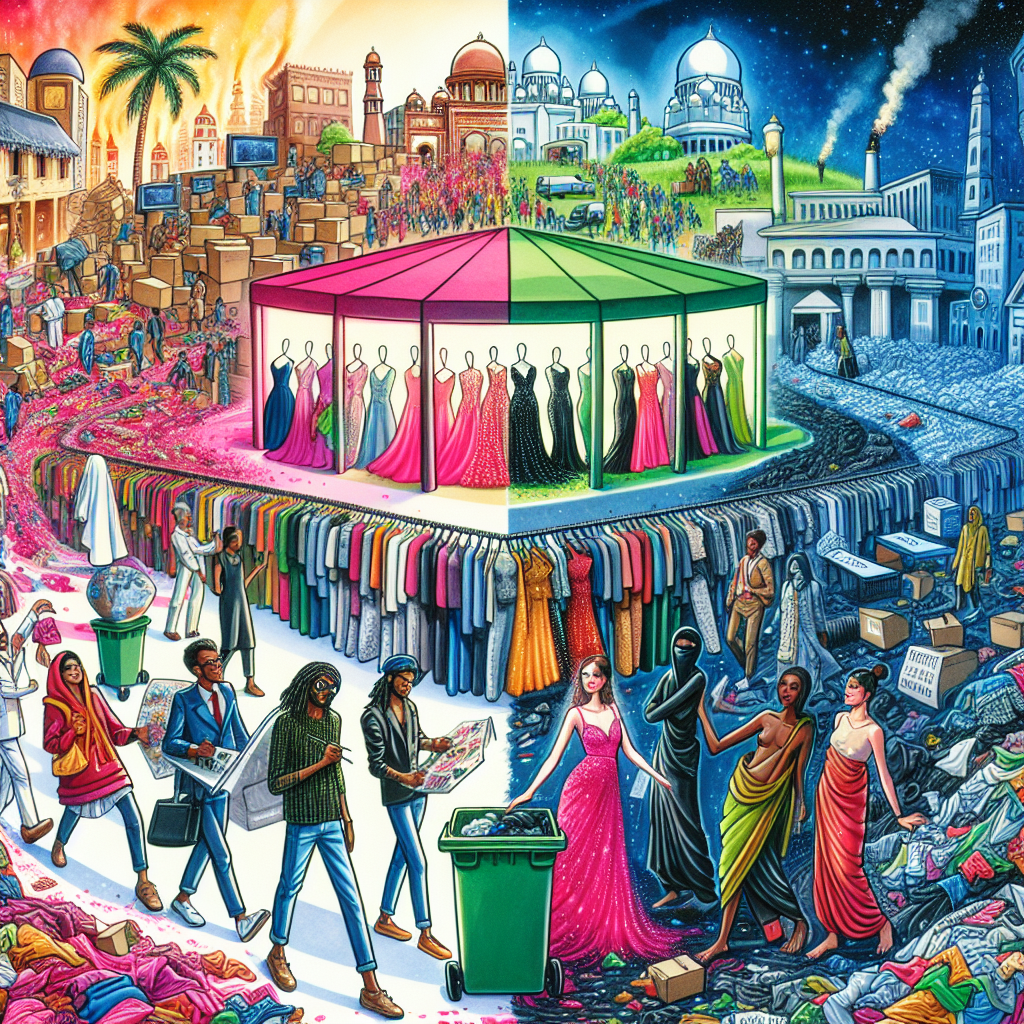
Fast Fashion: Trends, Waste, and Reality
Fast Fashion: Trends, Waste, and Reality
The Allure of Fast Fashion
Fast fashion has revolutionized the clothing industry by offering trendy styles at affordable prices. This model thrives on rapid production cycles, allowing consumers to access the latest fashion trends almost instantly.

- Quick turnaround from design to retail.
- Affordable pricing attracts a broad consumer base.
- Constantly updated inventory keeps consumers engaged.
The Environmental Cost
Despite its popularity, fast fashion has significant environmental repercussions. The industry’s focus on speed and low cost often leads to unsustainable practices.

- High levels of textile waste due to short-lived trends.
- Excessive water usage and pollution from dyeing processes.
- Increased carbon footprint from global supply chains.
Social Implications
Fast fashion’s impact extends beyond the environment, affecting the lives of workers in developing countries where most production occurs.

- Low wages and poor working conditions for garment workers.
- Exploitation of labor to maintain low production costs.
- Lack of transparency in supply chains.
Consumer Awareness and Responsibility
As awareness of fast fashion’s impact grows, consumers are beginning to demand more sustainable and ethical alternatives.
- Increased interest in sustainable fashion brands.
- Growing popularity of second-hand and vintage clothing.
- Advocacy for corporate responsibility and ethical practices.
Conclusion
Fast fashion offers affordability and trendiness but at a significant environmental and social cost. As awareness increases, both consumers and companies are urged to consider more sustainable practices. The future of fashion may well depend on balancing style with sustainability.