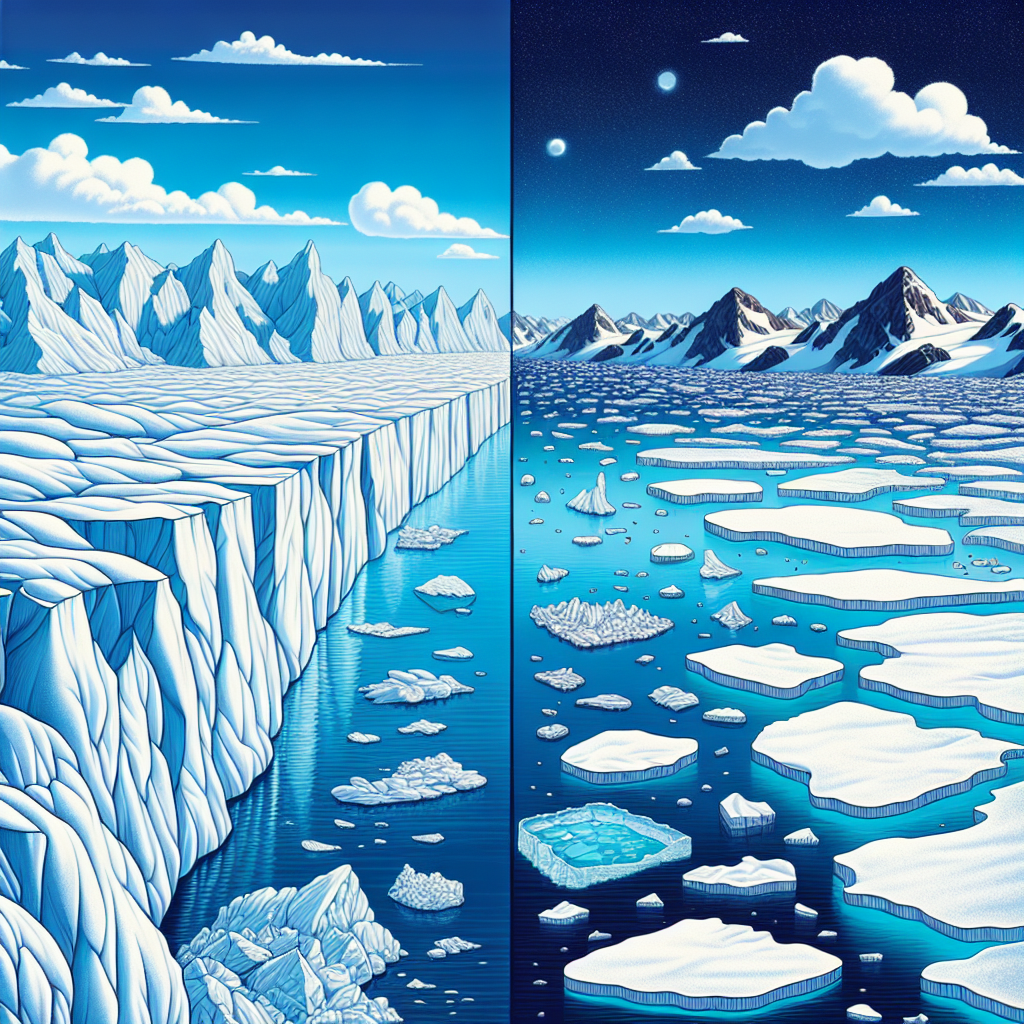
Arctic Sea Ice Reaches Record Low in 47 Years: US Agency Reports

Arctic Sea Ice Reaches Record Low in 47 Years: US Agency Reports
Overview
The Arctic sea ice has reached its lowest extent in 47 years, according to a recent report by a US agency. This alarming development highlights the ongoing impact of climate change on polar regions and raises concerns about the broader environmental implications.

Key Findings
- Record Low Levels: The extent of Arctic sea ice has diminished to unprecedented levels, marking the lowest recorded since satellite monitoring began in 1976.
- Climate Change Impact: The reduction in sea ice is a direct consequence of rising global temperatures, which are causing accelerated melting.
- Environmental Concerns: The decline in sea ice affects global weather patterns, marine ecosystems, and indigenous communities reliant on the Arctic environment.
Implications
The record low levels of Arctic sea ice have far-reaching implications:
Ads


- Global Weather Patterns: Changes in the Arctic can influence weather systems worldwide, potentially leading to more extreme weather events.
- Marine Ecosystems: The loss of ice habitat threatens species such as polar bears and seals, disrupting the ecological balance.
- Human Impact: Indigenous communities face challenges as traditional hunting grounds and lifestyles are affected by the changing environment.
Conclusion
The record low Arctic sea ice levels underscore the urgent need for global action on climate change. As the Arctic continues to warm at an alarming rate, the consequences extend beyond the polar regions, affecting ecosystems and human societies worldwide. Immediate and sustained efforts are essential to mitigate these impacts and preserve the Arctic environment for future generations.
Ads

Ads

Ads

Ads

Ads

Ads

Ads

Ads

Ads

Ads

Ads

Ads