Russian Envoy Offers Small Nuclear Power Plant for Musk’s Mars Mission

Russian Envoy Proposes Nuclear Power Solution for Mars
Introduction
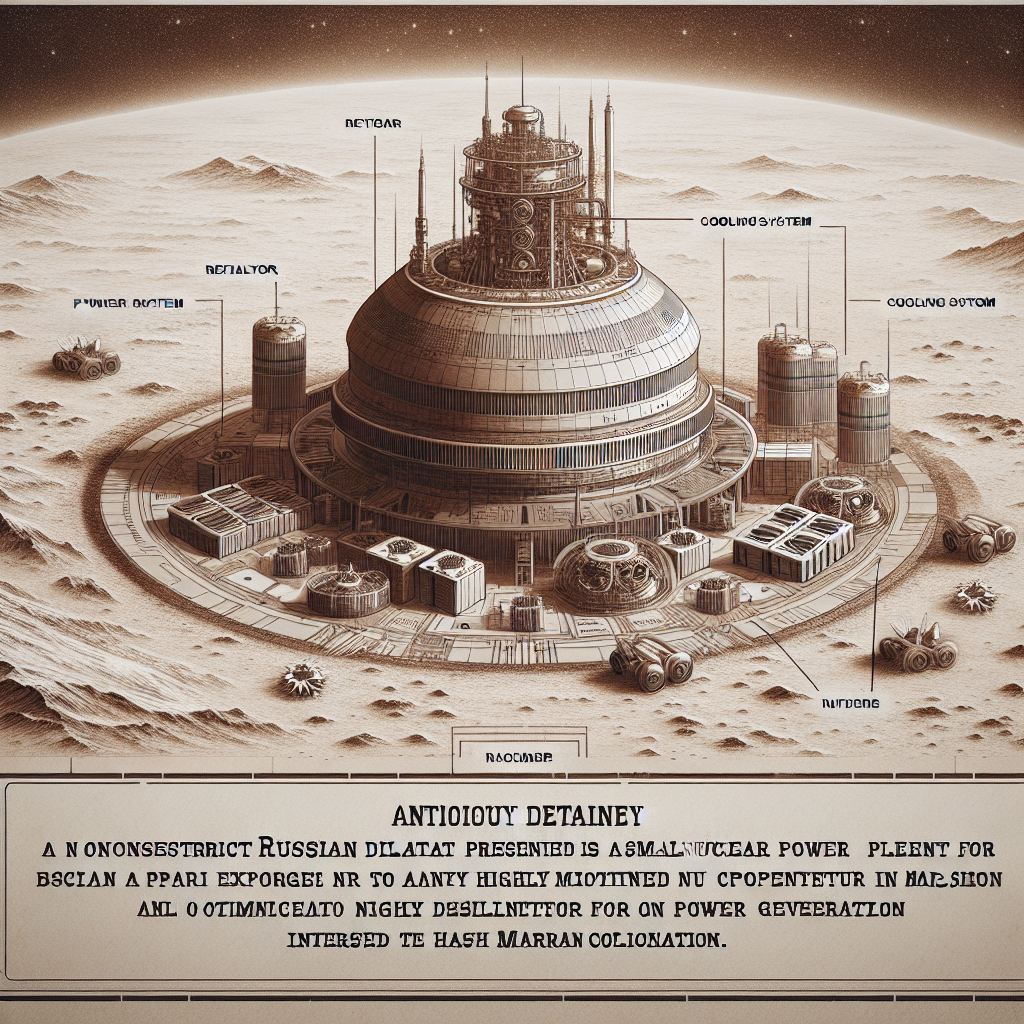
In a groundbreaking development, a Russian envoy has proposed the use of small nuclear power plants to support Elon Musk’s ambitious Mars mission. This offer highlights the potential for international collaboration in space exploration and the innovative solutions being considered to overcome the challenges of interplanetary travel.

Key Highlights
- Innovative Proposal: The Russian envoy suggests deploying small nuclear power plants to provide a reliable energy source for Mars colonization.
- Strategic Collaboration: This proposal opens the door for potential collaboration between Russia and SpaceX, fostering international partnerships in space exploration.
- Energy Challenges: Addressing the energy needs on Mars is crucial for sustaining human life and supporting technological operations on the Red Planet.
Benefits of Nuclear Power on Mars
The use of nuclear power plants on Mars offers several advantages:


- Reliability: Nuclear power provides a consistent and stable energy supply, essential for long-term missions.
- Efficiency: Small nuclear reactors can generate significant power with minimal fuel, reducing the need for frequent resupply missions.
- Adaptability: These reactors can be designed to withstand the harsh Martian environment, ensuring durability and functionality.
Potential Challenges
While the proposal is promising, several challenges must be addressed:

- Safety Concerns: Ensuring the safe operation of nuclear reactors in space is paramount to prevent potential hazards.
- Regulatory Hurdles: International regulations and agreements on the use of nuclear technology in space need to be navigated.
- Technical Feasibility: Developing and deploying these reactors requires significant technological advancements and testing.
Conclusion
The Russian envoy’s offer to provide small nuclear power plants for Elon Musk’s Mars mission represents a significant step towards overcoming the energy challenges of space colonization. This proposal not only underscores the importance of international collaboration but also highlights the innovative approaches being considered to make human life on Mars a reality. As discussions progress, addressing safety, regulatory, and technical challenges will be crucial to realizing this vision.