
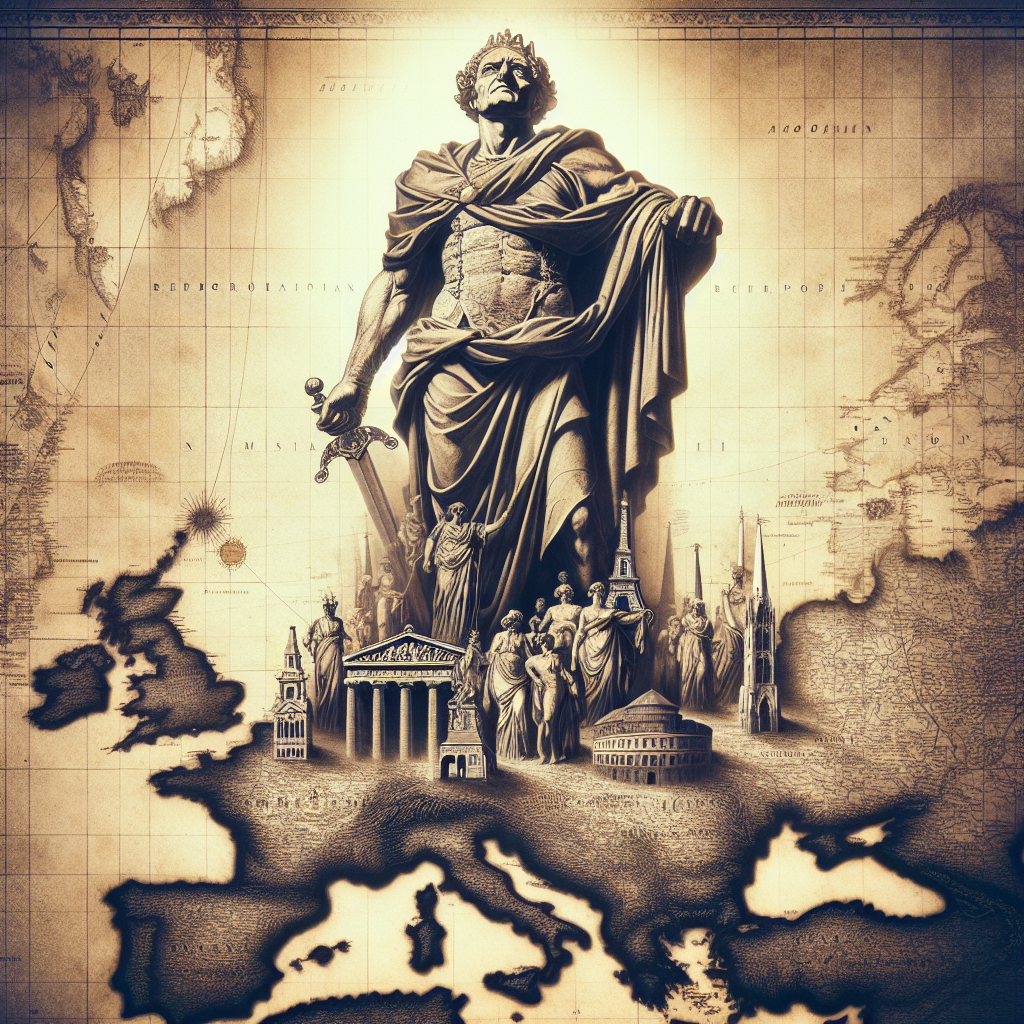
A Growing Trend of Repression Surfaces Across Europe

A Growing Trend of Repression Surfaces Across Europe
Introduction
Recent reports indicate a concerning rise in repressive measures across various European nations. This trend is characterized by increased governmental control and restrictions on civil liberties, sparking debates about the future of democracy on the continent.

Key Drivers of Repression
Several factors contribute to this growing trend of repression in Europe:


- Political Instability: Governments facing internal challenges often resort to repressive tactics to maintain control.
- Security Concerns: Heightened fears of terrorism and extremism have led to stricter surveillance and policing measures.
- Economic Pressures: Economic downturns and austerity measures can exacerbate social unrest, prompting governments to clamp down on dissent.
Impact on Civil Liberties
The rise in repression has significant implications for civil liberties across Europe:


- Freedom of Speech: Increased censorship and restrictions on media outlets are limiting free expression.
- Right to Protest: New laws and regulations are curtailing the ability of citizens to organize and participate in demonstrations.
- Privacy Concerns: Expanded surveillance measures are raising alarms about the erosion of privacy rights.
Responses and Reactions
The trend has elicited varied responses from different sectors:
- Civil Society: Activists and NGOs are mobilizing to defend democratic freedoms and challenge repressive policies.
- International Organizations: Bodies like the European Union are expressing concern and urging member states to uphold democratic principles.
- Public Sentiment: Citizens are increasingly vocal about their dissatisfaction, leading to a rise in grassroots movements.
Conclusion
The growing trend of repression in Europe poses a significant challenge to the continent’s democratic values. As governments grapple with political, security, and economic pressures, the balance between maintaining order and preserving civil liberties remains precarious. The response from civil society and international organizations will be crucial in shaping the future trajectory of democracy in Europe.















