
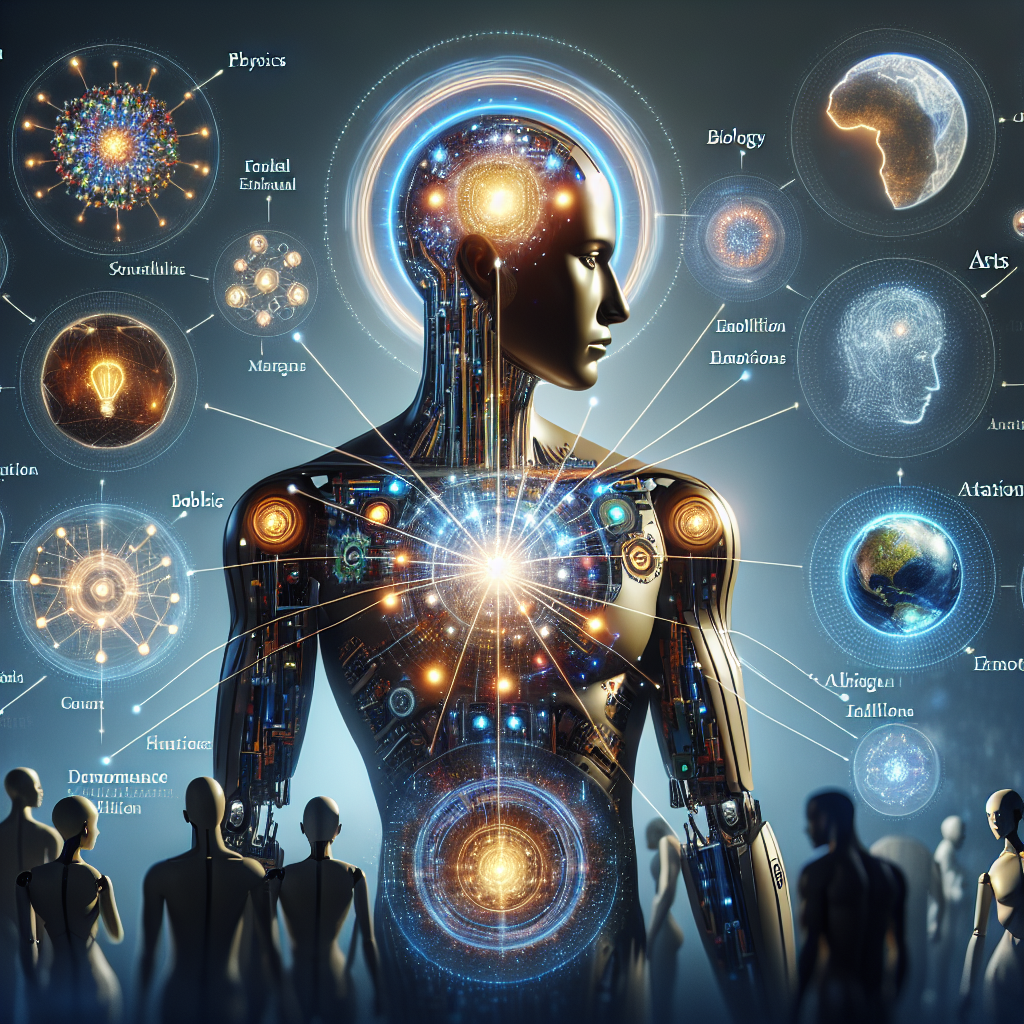
AI Achieves Human-Level General Intelligence: Implications Explained

AI Achieves Human-Level General Intelligence: Implications Explained
Introduction
The recent breakthrough in artificial intelligence (AI) has led to the development of systems that exhibit human-level general intelligence. This advancement marks a significant milestone in AI research, with far-reaching implications across various sectors.

Understanding Human-Level General Intelligence
Human-level general intelligence refers to the ability of AI systems to understand, learn, and apply knowledge across a wide range of tasks, similar to human cognitive capabilities. This development signifies a shift from narrow AI, which is designed for specific tasks, to more versatile and adaptable systems.


Key Implications
- Economic Impact: The integration of AI with human-level intelligence could revolutionize industries by enhancing productivity and efficiency, potentially leading to economic growth.
- Job Market Transformation: While AI could automate routine tasks, it may also create new job opportunities in AI development and maintenance, necessitating a shift in workforce skills.
- Ethical Considerations: The rise of advanced AI systems raises ethical questions about decision-making, privacy, and the potential for misuse.
- Social Dynamics: AI’s ability to mimic human intelligence could alter social interactions and relationships, influencing how humans perceive and interact with machines.
- Regulatory Challenges: Policymakers face the challenge of creating frameworks to ensure the safe and responsible deployment of AI technologies.
Potential Benefits
The achievement of human-level general intelligence in AI holds the promise of numerous benefits, including:


- Enhanced problem-solving capabilities in complex fields such as healthcare, climate change, and scientific research.
- Improved accessibility and personalization in technology, leading to more inclusive user experiences.
- Acceleration of innovation and technological advancements across various domains.
Conclusion
The advent of AI with human-level general intelligence presents both opportunities and challenges. While it offers the potential for significant advancements and improvements in quality of life, it also necessitates careful consideration of ethical, social, and regulatory aspects. As we navigate this new frontier, a balanced approach will be crucial to harnessing the benefits while mitigating potential risks.













