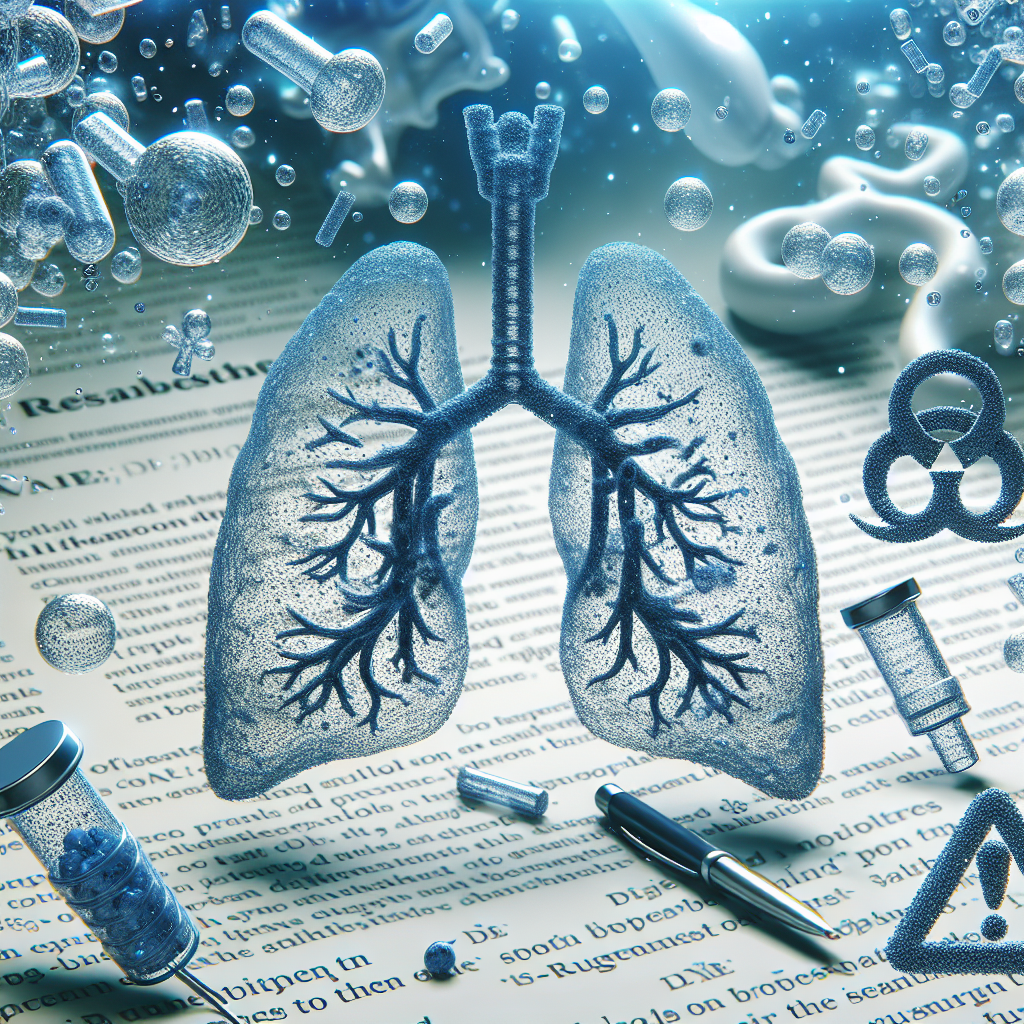
Airborne Microplastics Linked to Increased Risk of Lung and Colon Cancer: Study

Airborne Microplastics: A New Health Concern
Introduction to the Study
Recent research has unveiled a concerning link between airborne microplastics and an increased risk of lung and colon cancer. This study sheds light on the potential health hazards posed by these tiny particles, which are becoming increasingly prevalent in our environment.

Key Findings
- Increased Cancer Risk: The study highlights a significant correlation between exposure to airborne microplastics and the development of lung and colon cancer.
- Widespread Presence: Microplastics are not only found in oceans and soil but are also present in the air we breathe, making them a pervasive environmental issue.
- Health Implications: The inhalation of these particles can lead to inflammation and cellular damage, which are precursors to cancer.
Understanding Microplastics
Microplastics are tiny plastic particles, often less than 5 millimeters in size, that result from the breakdown of larger plastic debris. They are found in various environments, including air, water, and soil, and can enter the human body through inhalation and ingestion.


Implications for Public Health
The study’s findings underscore the urgent need for public health initiatives to address the growing presence of microplastics in the environment. This includes:


- Developing strategies to reduce plastic pollution.
- Enhancing air quality monitoring systems to detect microplastic levels.
- Promoting research on the long-term health effects of microplastic exposure.
Conclusion
The link between airborne microplastics and cancer risk is a wake-up call for both policymakers and the public. As these particles continue to infiltrate our environment, understanding their impact on human health becomes increasingly critical. Addressing this issue requires a concerted effort to reduce plastic pollution and protect public health.