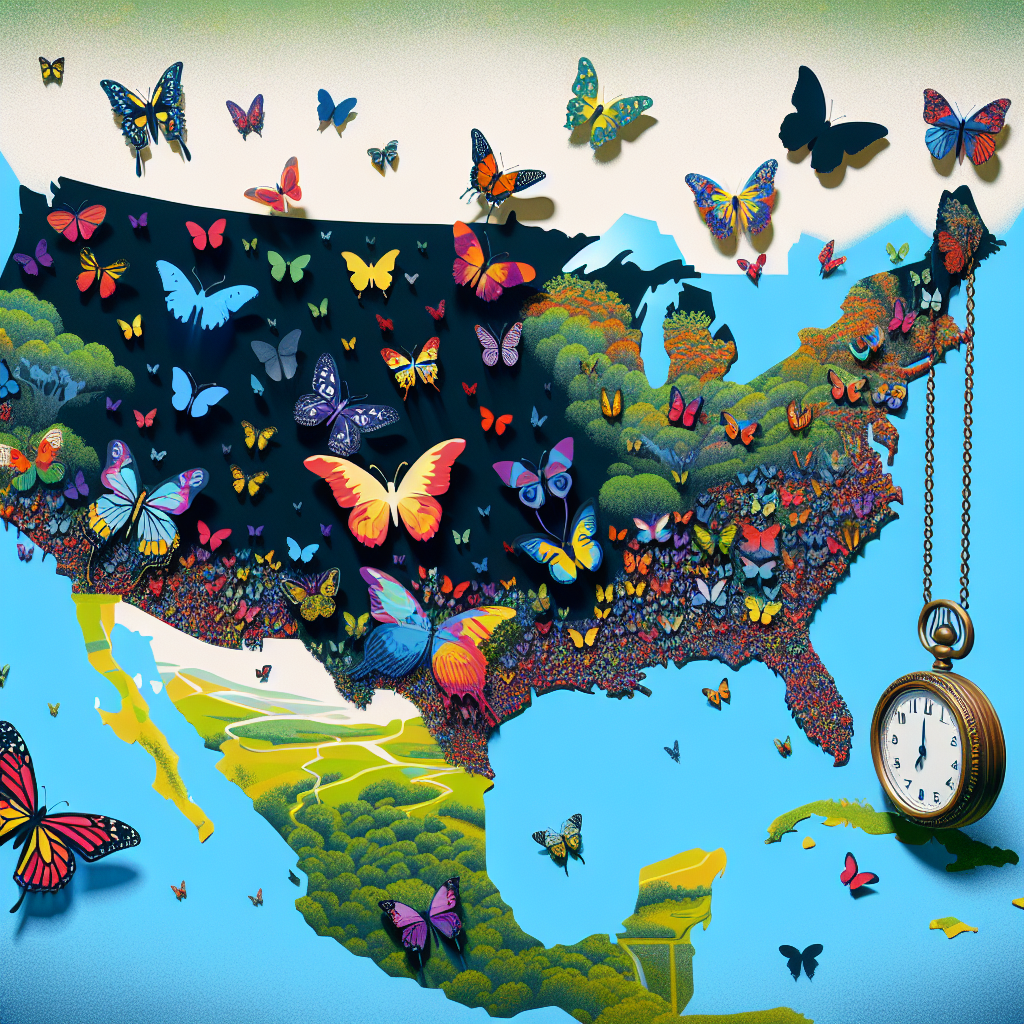
Alarming Decline in US Butterfly Populations: A Wake-Up Call

Alarming Decline in US Butterfly Populations: A Wake-Up Call
Introduction
Recent studies have highlighted a significant decline in butterfly populations across the United States, raising concerns about the broader implications for ecosystems and biodiversity. This decline serves as a critical indicator of environmental health and calls for immediate action.

Key Findings
- Population Decline: Butterfly populations have decreased by over 30% in the last two decades, with some species facing the threat of extinction.
- Habitat Loss: Urbanization and agricultural expansion have led to the destruction of natural habitats, crucial for butterfly survival.
- Climate Change: Altered weather patterns and temperature fluctuations are disrupting migration and breeding cycles.
- Pesticide Use: Increased use of pesticides in agriculture is adversely affecting butterfly populations.
Implications for Ecosystems
Butterflies play a vital role in pollination and serve as an essential food source for other wildlife. Their decline could lead to:


- Reduced Pollination: Affecting plant reproduction and agricultural yields.
- Disrupted Food Chains: Impacting species that rely on butterflies as a food source.
- Biodiversity Loss: Leading to less resilient ecosystems.
Call to Action
Conservationists and scientists urge immediate measures to address this crisis, including:


- Habitat Restoration: Protecting and restoring natural habitats to support butterfly populations.
- Sustainable Practices: Encouraging the use of eco-friendly agricultural practices to reduce pesticide impact.
- Public Awareness: Educating communities about the importance of butterflies and how to support their conservation.
Conclusion
The alarming decline in US butterfly populations is a wake-up call for urgent environmental action. Protecting these vital pollinators is crucial for maintaining biodiversity and ensuring the health of ecosystems. By addressing habitat loss, climate change, and pesticide use, we can work towards reversing this troubling trend and safeguarding our natural world.