
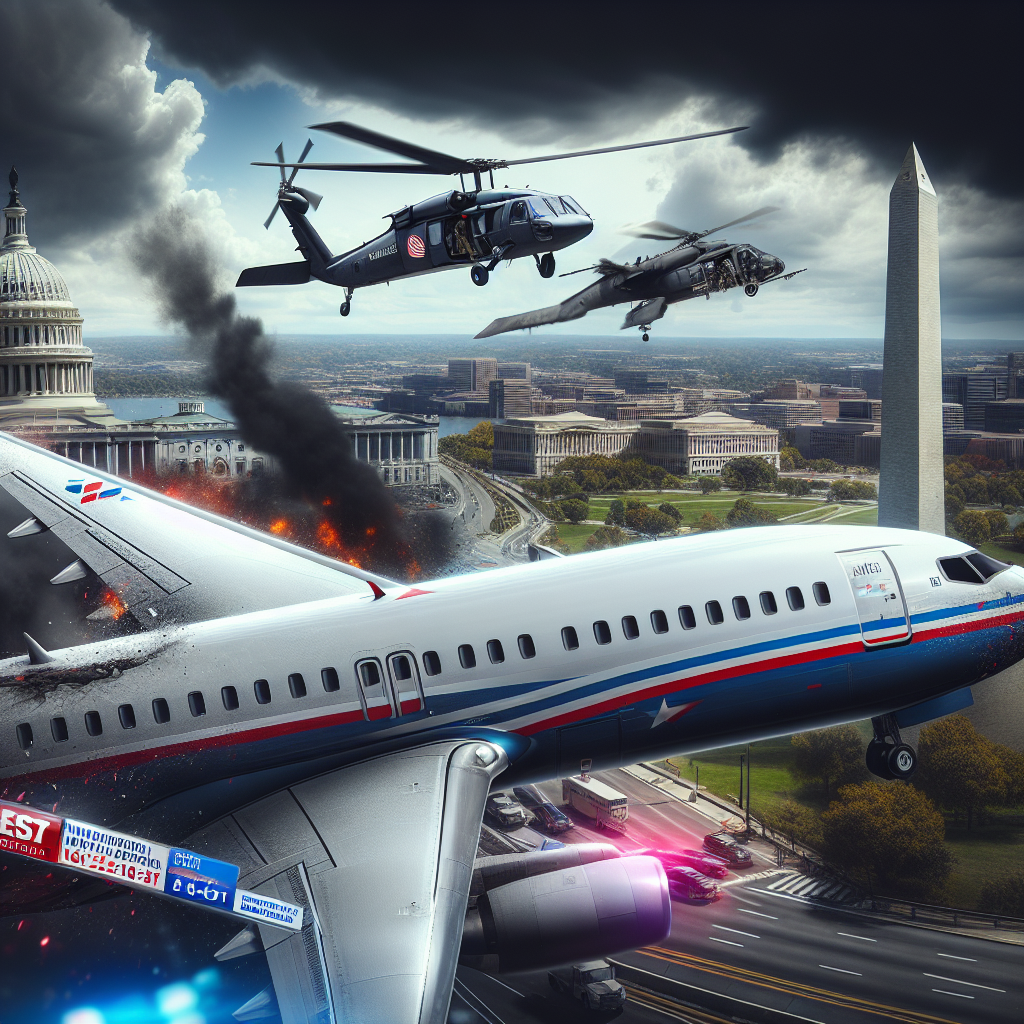
American Airlines Incident with Black Hawk in DC: Latest Updates

American Airlines Incident with Black Hawk in DC: Latest Updates
Overview of the Incident
In a surprising turn of events, an American Airlines flight encountered an unexpected situation involving a Black Hawk helicopter in Washington, D.C. This incident has raised concerns about airspace safety and coordination between civilian and military aviation operations.

Key Details of the Incident
- Date and Location: The incident occurred in the airspace over Washington, D.C., a highly regulated area due to its proximity to government buildings and military installations.
- Involved Parties: An American Airlines commercial flight and a U.S. Army Black Hawk helicopter were involved in the incident.
- Nature of the Incident: The two aircraft came into close proximity, prompting immediate evasive actions to avoid a potential collision.
Response and Investigation
Authorities have launched a thorough investigation to determine the cause of the incident and to prevent future occurrences. Both the Federal Aviation Administration (FAA) and the U.S. Army are involved in the investigation.


- Immediate Actions: Air traffic control intervened promptly to guide both aircraft to safety.
- Investigation Focus: The investigation will focus on communication protocols, airspace management, and potential lapses in coordination.
Implications and Reactions
The incident has sparked discussions about the safety of shared airspace between civilian and military aircraft, especially in sensitive areas like Washington, D.C.


- Public Concern: There is growing concern among the public about the safety of air travel in shared airspace.
- Policy Review: Aviation authorities may review and update policies to enhance safety measures and coordination.
Conclusion
The American Airlines incident with the Black Hawk helicopter in Washington, D.C., highlights the critical need for stringent airspace management and effective communication between civilian and military aviation sectors. As investigations continue, the focus remains on ensuring the safety and security of air travel in complex airspace environments.















