
Americans Split on Perceptions of Russia – Survey Reveals

Americans Split on Perceptions of Russia – Survey Reveals
Introduction
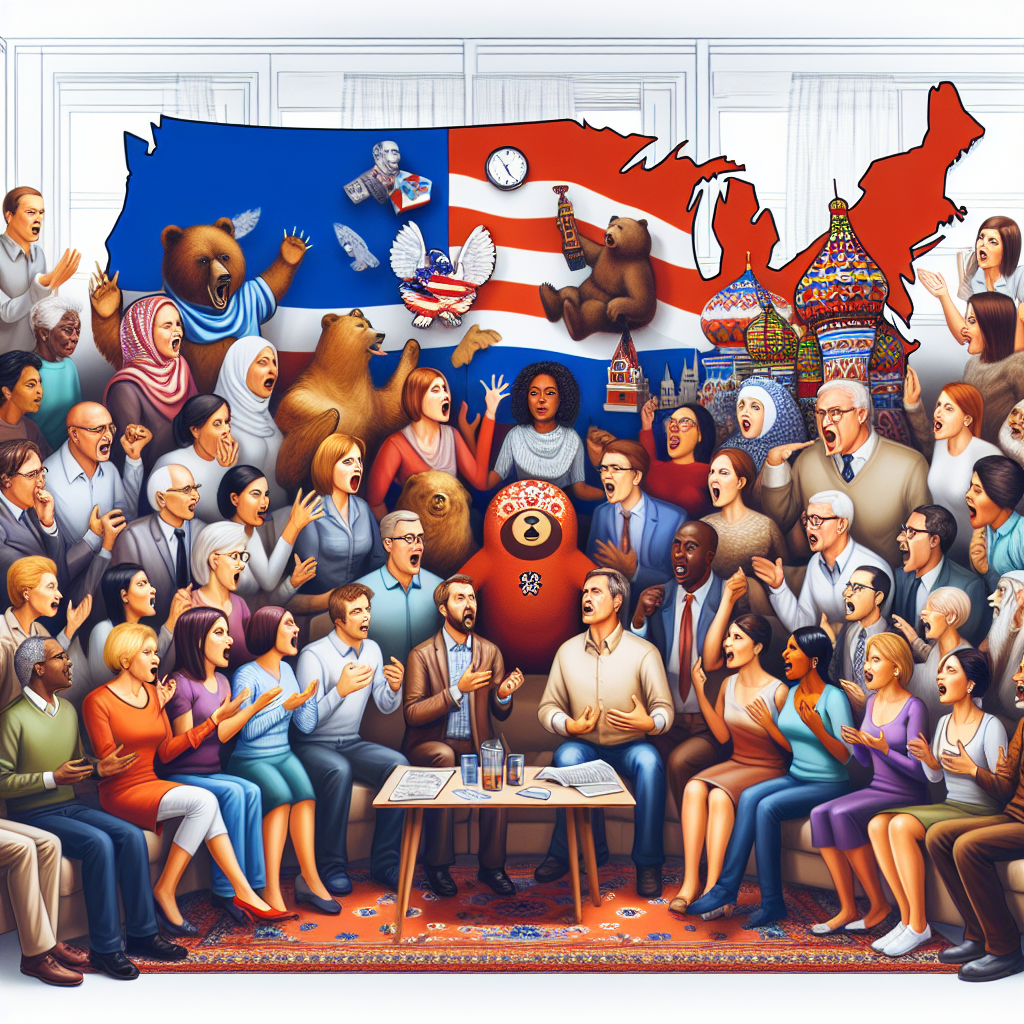
A recent survey has unveiled a significant divide among Americans regarding their perceptions of Russia. This division highlights varying opinions on Russia’s global role, its leadership, and its relationship with the United States.

Key Findings
- Polarized Views: The survey indicates a stark polarization in opinions, with a nearly equal split between those who view Russia as a threat and those who see it as a potential ally.
- Generational Differences: Younger Americans tend to have a more favorable view of Russia compared to older generations, who are more likely to perceive Russia as a threat.
- Political Influence: Political affiliation plays a significant role, with Republicans generally more inclined to view Russia positively, while Democrats are more skeptical.
Factors Influencing Perceptions
Several factors contribute to the divided perceptions of Russia among Americans:


- Media Representation: The portrayal of Russia in the media significantly influences public opinion, with varying narratives contributing to the split.
- Historical Context: Historical events, such as the Cold War, continue to shape the views of older generations.
- Current Events: Recent geopolitical events and Russia’s involvement in international affairs have further polarized opinions.
Implications for U.S.-Russia Relations
The divided perceptions of Russia among Americans could have implications for future U.S.-Russia relations. Policymakers may face challenges in forming a cohesive strategy that aligns with public opinion.


Conclusion
The survey reveals a nation divided in its views on Russia, influenced by generational, political, and media factors. Understanding these perceptions is crucial for shaping future diplomatic and political strategies. As the global landscape evolves, so too may these perceptions, highlighting the need for ongoing dialogue and analysis.












