Birdwatcher’s Haven: Alabama Refuge Welcomes Migrating Sandhill Cranes

Birdwatcher’s Haven: Alabama Refuge Welcomes Migrating Sandhill Cranes
Introduction to the Refuge
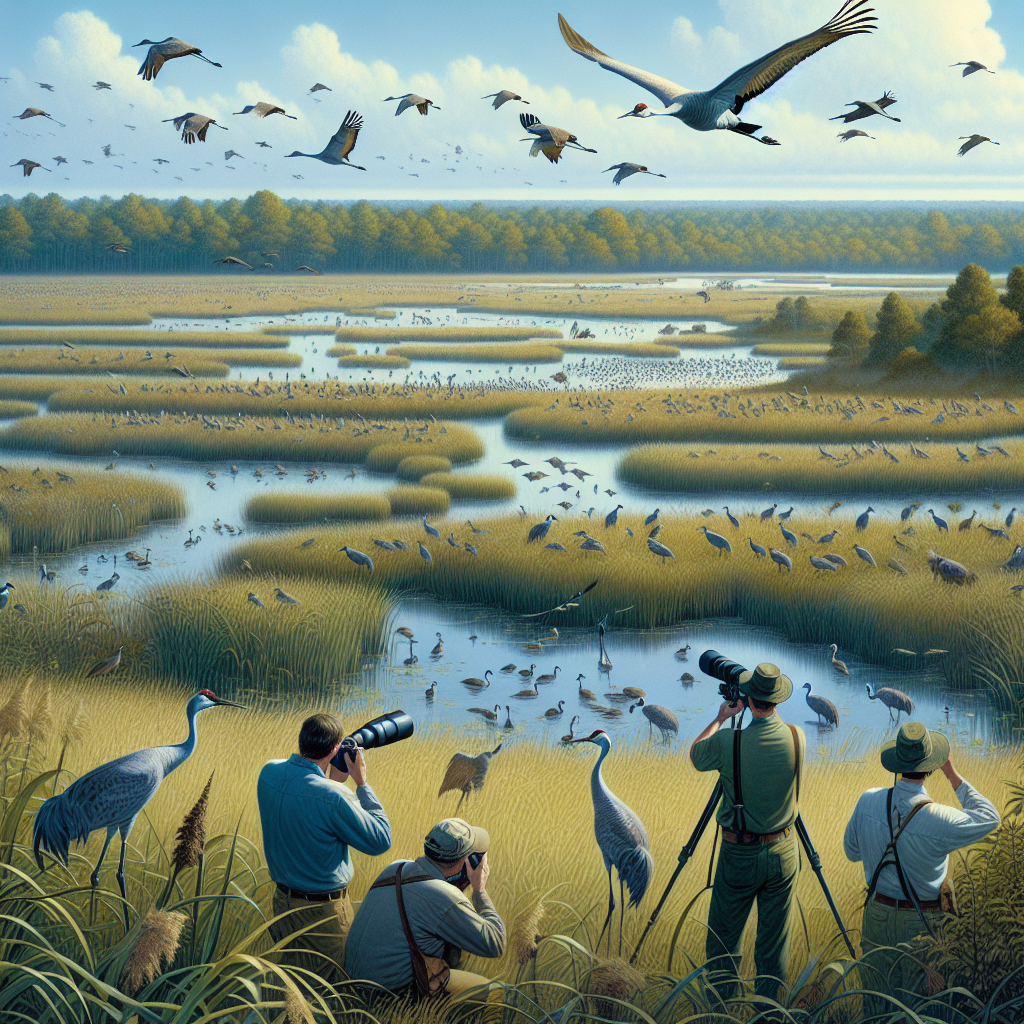
The Wheeler National Wildlife Refuge in Alabama has become a prime destination for birdwatchers and nature enthusiasts, as it hosts thousands of migrating Sandhill Cranes each year. This natural spectacle offers a unique opportunity to witness these majestic birds in their natural habitat.

Why Sandhill Cranes Choose Alabama
Alabama’s mild winter climate and abundant food supply make it an ideal stopover for Sandhill Cranes during their migration. The refuge provides a safe haven where these birds can rest and refuel before continuing their journey.


- Located along the Tennessee River, offering ample water resources.
- Rich in agricultural fields, providing a plentiful food source.
- Protected environment, minimizing human disturbances.
Visitor Experience
Visitors to the Wheeler National Wildlife Refuge can enjoy a variety of activities while observing the Sandhill Cranes. The refuge offers guided tours, educational programs, and viewing platforms to enhance the birdwatching experience.


- Guided tours available for an in-depth understanding of the cranes.
- Educational programs for all ages, focusing on bird conservation.
- Viewing platforms strategically placed for optimal sighting opportunities.
Conservation Efforts
The refuge plays a crucial role in the conservation of Sandhill Cranes and other migratory birds. Efforts include habitat preservation, research initiatives, and public awareness campaigns to ensure the protection of these species for future generations.
- Ongoing habitat restoration projects.
- Collaboration with conservation organizations.
- Public engagement through educational outreach.
Conclusion
The Wheeler National Wildlife Refuge in Alabama stands as a testament to successful conservation efforts, providing a sanctuary for migrating Sandhill Cranes and a remarkable experience for birdwatchers. This annual migration not only highlights the importance of preserving natural habitats but also offers a unique opportunity for people to connect with nature.