
Bulk Carrier Attacked by Small Crafts Near Iran

Bulk Carrier Attacked by Small Crafts Near Iran
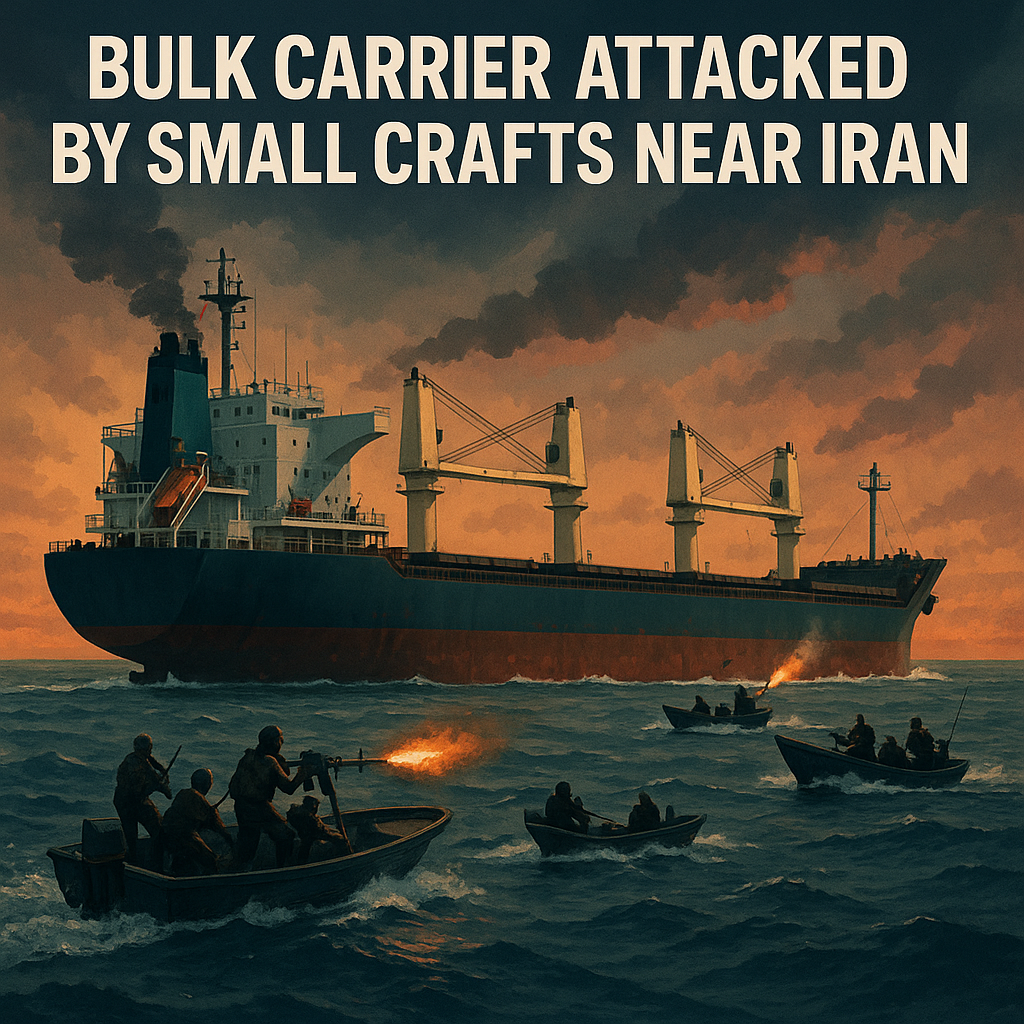
In a significant escalation of maritime tensions, a bulk carrier was reportedly attacked by multiple small crafts near the waters of Iran. This incident, which raises serious questions about maritime security and geopolitical dynamics in the region, underscores the complexities of shipping safety amid increasing hostilities.

The Incident and Immediate Reactions
According to reports from various news outlets, including Al Jazeera and RT, the bulk carrier was targeted while navigating through a crucial shipping corridor. The United Kingdom Maritime Trade Operations (UKMTO) confirmed the assault, detailing that the attack involved several small vessels, which are believed to be armed.


Witnesses described a chaotic scene, noting that the bulk carrier engaged in evasive maneuvers to avoid damage. While there were no immediate reports of injuries or fatalities among the crew, the attack reflects the precarious environment for commercial shipping in the region.


Responses from industry experts and analysts have highlighted the potential implications for maritime trade. Jim Thomas, a maritime security expert, noted, “This incident could deter shipping companies from transiting that area, which might lead to increased shipping costs or diversions that affect global trade routes.”
Regional Implications and Broader Context
The delicate nature of geopolitics surrounding Iran cannot be overlooked. Following the U.S. withdrawal from the Iran nuclear deal, tensions have heightened, leading to a resurgence of confrontational tactics, including naval confrontations.
Sky News reported contrasting opinions concerning the motivations behind such maritime attacks. Some experts argue that this could be a reflection of Iran’s strategy to project power in response to economic sanctions. Others suggest that small crafts may be acting independently, possibly instigated by local grievances rather than direct orders from the Iranian government.
Evidence of Increasing Naval Activities
The frequency of suspicious encounters in the Gulf of Oman has escalated significantly. Data gathered from various maritime monitoring entities show a trend of increased naval activity in these waters, signaling heightened tensions. Just last year, there were several incidents involving oil tankers and other commercial vessels, raising alarms within the shipping industry.
Diverging Perspectives: A Complicated Landscape
Another layer to consider involves differing viewpoints within the international community. Iran has consistently denied involvement in maritime aggression, asserting that it aims to ensure safety in the Strait of Hormuz, a critical chokepoint for global oil shipments. However, Western nations have often pointed fingers at Iran as the culprit behind these maritime tensions.
Iranian Government’s Stance: Officials have presented these accusations as part of a broader narrative intended to isolate Iran on the global stage. They argue that foreign interventions in the region exacerbate tensions, calling for a diplomatic approach to ensure freedom of navigation.
Western Perspectives: Conversely, Western analysts maintain that Iran’s actions constitute a threat not only to commercial interests but also to the security of allied nations in the region. This continued naval confrontation creates a hostile environment that could inadvertently lead to miscalculations or military conflicts.
As the geopolitical landscape evolves, many experts caution against oversimplification. The reality is multifaceted, with local, regional, and international dynamics intertwining in complex ways. The maritime security environment near Iran has become a microcosm of larger geopolitical rivalries, requiring careful navigation by the global community.
Looking Forward: Navigating the Future
In light of the attack on the bulk carrier, stakeholders in the maritime industry must reassess their risk management strategies. The possibility of further attacks necessitates enhanced security protocols for vessels passing through the region. Shipping companies may rely more on naval escorts, additional surveillance, or even rerouting their operations to avoid high-risk areas.
While immediate solutions remain vital for ensuring maritime safety, long-term resolution requires diplomatic engagement among concerned nations. Regional dialogues must address the root causes of conflict to pave the way for more stable seas.
In conclusion, the attack on the bulk carrier near Iran illustrates not only the vulnerabilities of maritime trade routes but also the intricate web of geopolitical tensions that define this critical area. Balancing national security interests with the need for open seas will be essential in the days ahead, as stakeholders grapple with the reality of an increasingly volatile landscape.















