California Wildfire Crisis: State of Emergency Declared After 5 Fatalities

California Wildfire Crisis: State of Emergency Declared
Overview
California is grappling with a severe wildfire crisis, prompting the state to declare a state of emergency. The fires have resulted in five fatalities, underscoring the urgent need for effective response and mitigation strategies.

Key Developments
- State of Emergency: The declaration aims to expedite resources and support to affected areas, enhancing firefighting efforts and community safety.
- Fatalities: Five individuals have tragically lost their lives, highlighting the deadly nature of these wildfires.
- Evacuations: Thousands of residents have been evacuated as fires threaten homes and infrastructure.
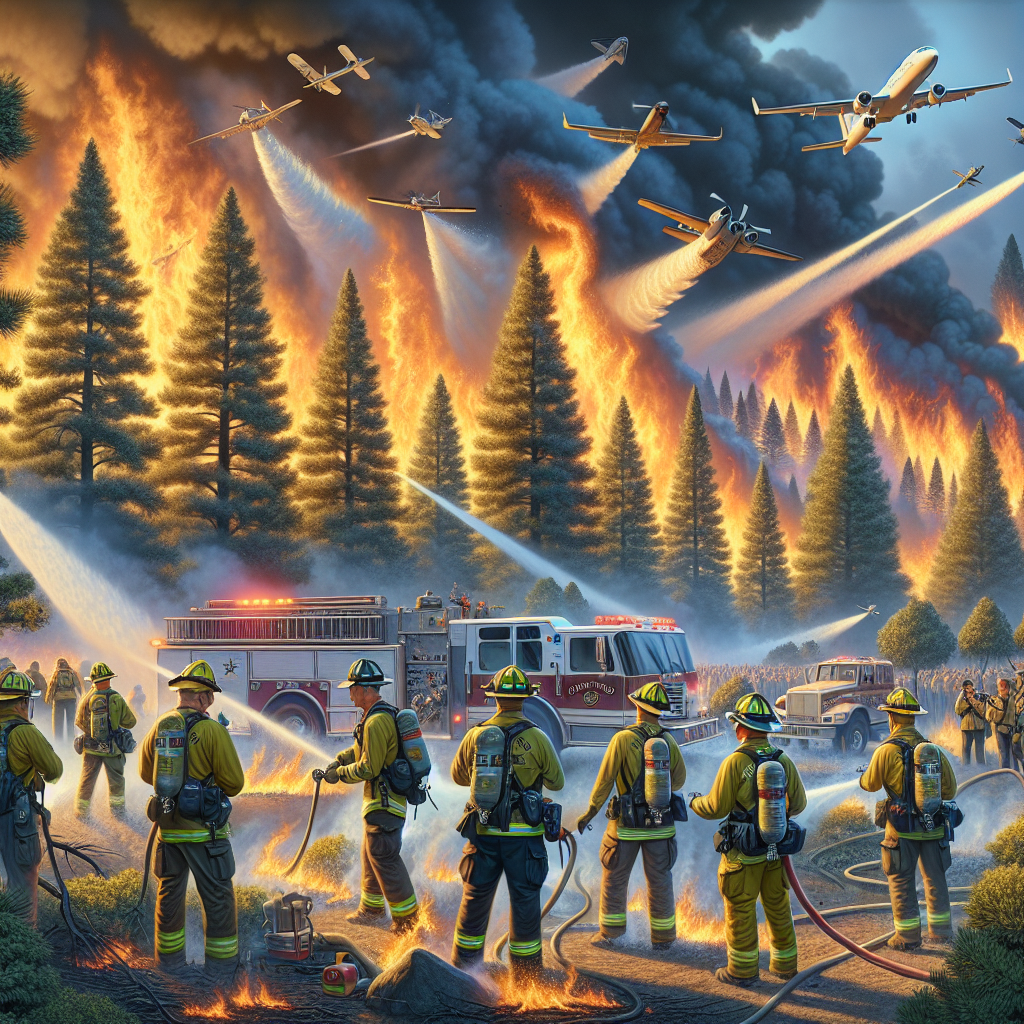
- Resource Mobilization: Firefighting teams, including local and federal agencies, are working tirelessly to contain the blazes.
Impact on Communities
The wildfires have devastated communities, with many residents facing displacement and loss of property. The emotional and economic toll is significant, as families and businesses struggle to cope with the aftermath.


Environmental Concerns
These wildfires contribute to environmental degradation, with vast areas of forest and wildlife habitats being destroyed. The fires also exacerbate air quality issues, posing health risks to the population.


Government Response
The state government, in collaboration with federal agencies, is prioritizing firefighting efforts and providing support to affected communities. Emergency shelters and resources are being made available to assist those in need.
Conclusion
The California wildfire crisis is a stark reminder of the challenges posed by natural disasters. With a state of emergency declared, efforts are focused on saving lives, protecting property, and mitigating environmental damage. The situation calls for continued vigilance and support from both government and community stakeholders to navigate this crisis effectively.