
Chess: The Game That Transformed an Indian Village

Chess: The Game That Transformed an Indian Village
Introduction
In a remarkable tale of transformation, a small Indian village has embraced chess, leading to significant social and educational advancements. This story highlights the power of strategic thinking and community engagement in driving change.

The Rise of Chess in the Village
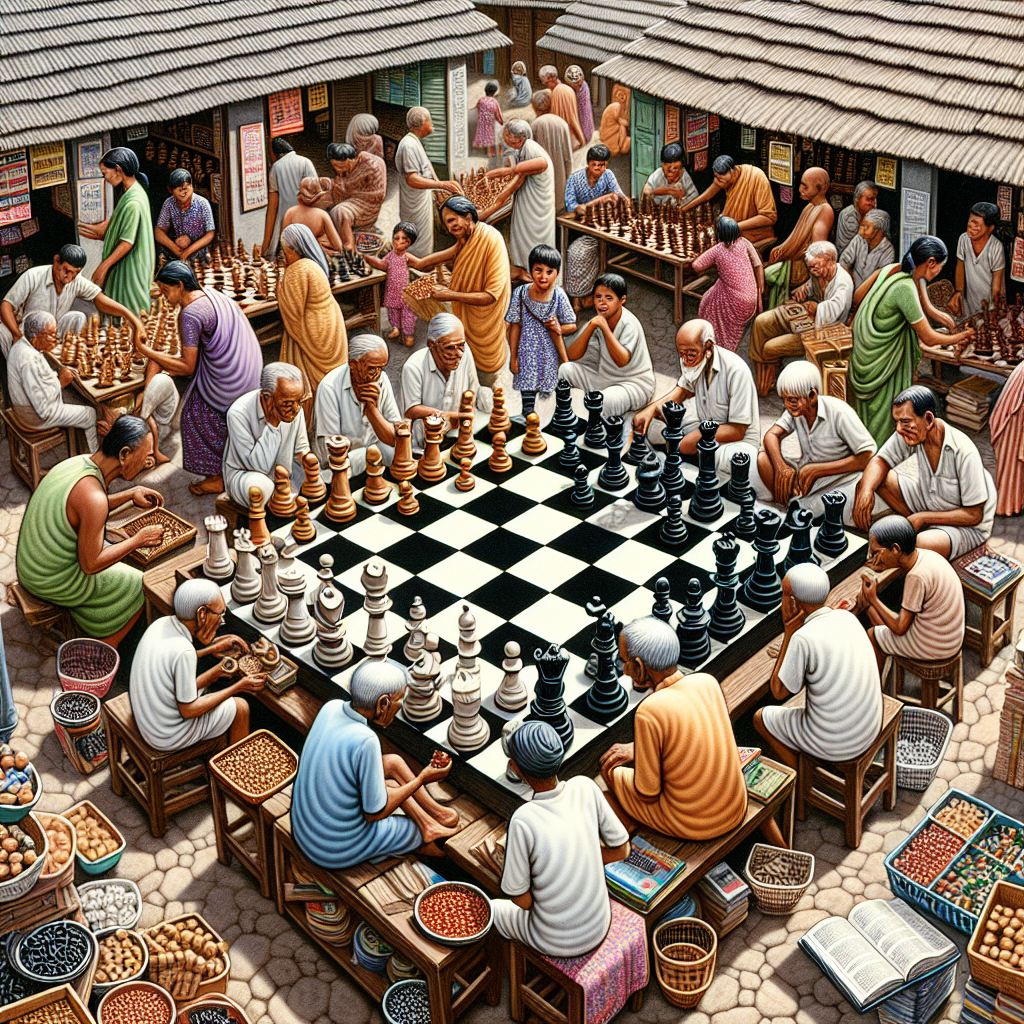
The introduction of chess to the village was not just a pastime but a catalyst for development. The game quickly gained popularity among residents, becoming a central part of daily life.


- Chess was introduced as a tool for educational development.
- The game became a communal activity, fostering unity and collaboration.
- Local schools incorporated chess into their curriculum, enhancing cognitive skills among students.
Impact on Education and Social Dynamics
The integration of chess into the village’s culture has had profound effects on both education and social interactions.


- Students showed improved problem-solving abilities and critical thinking skills.
- Chess clubs and tournaments became platforms for social interaction and learning.
- The game encouraged gender inclusivity, with both boys and girls participating equally.
Economic and Cultural Benefits
Beyond education, chess has also contributed to the village’s economic and cultural landscape.
- Chess tournaments attracted visitors, boosting local tourism and economy.
- The village gained recognition, inspiring other communities to adopt similar initiatives.
- Chess became a symbol of cultural pride and identity for the villagers.
Conclusion
The story of how chess transformed an Indian village is a testament to the game’s potential as a tool for social change. By fostering education, unity, and economic growth, chess has become more than just a game; it is a beacon of hope and progress for the community.















