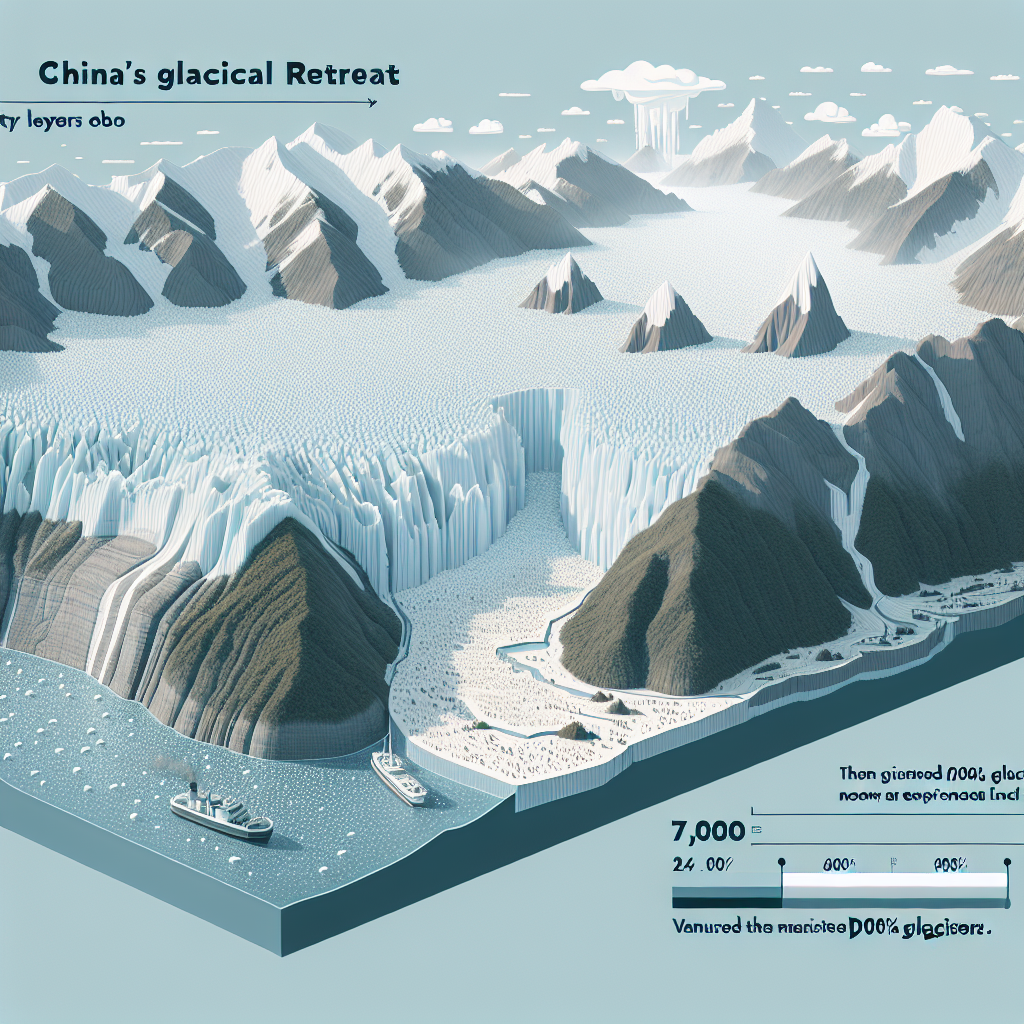
China’s Glacial Retreat: 26% Reduction and 7,000 Glaciers Vanish in Six Decades

China’s Glacial Retreat: A Stark Reality
Overview of the Situation
In a dramatic environmental shift, China has witnessed a significant reduction in its glacial mass over the past six decades. This alarming trend highlights the broader impacts of climate change on the world’s largest population.

Key Findings
- 26% Reduction: China’s glaciers have shrunk by 26% since the 1960s, a clear indicator of accelerating climate change.
- 7,000 Glaciers Vanished: Approximately 7,000 glaciers have disappeared entirely, altering landscapes and ecosystems.
Implications of Glacial Loss
The retreat of glaciers in China has far-reaching consequences, affecting water resources, agriculture, and local communities.


- Water Scarcity: Glaciers are crucial freshwater sources; their loss threatens water availability for millions.
- Agricultural Impact: Reduced glacial meltwater affects irrigation, impacting food production and security.
- Community Displacement: Changes in water supply and natural disasters may force communities to relocate.
Global Context
China’s glacial retreat is part of a global pattern of glacial melting, underscoring the urgent need for international climate action.


- Climate Change: The phenomenon is a stark reminder of the ongoing impacts of global warming.
- International Cooperation: Addressing glacial retreat requires collaborative efforts across nations.
Conclusion
China’s significant glacial retreat over the past six decades serves as a critical warning of the impacts of climate change. With 26% of its glaciers gone and 7,000 vanished, the implications for water resources, agriculture, and communities are profound. This situation calls for urgent global action to mitigate climate change and protect vital natural resources.