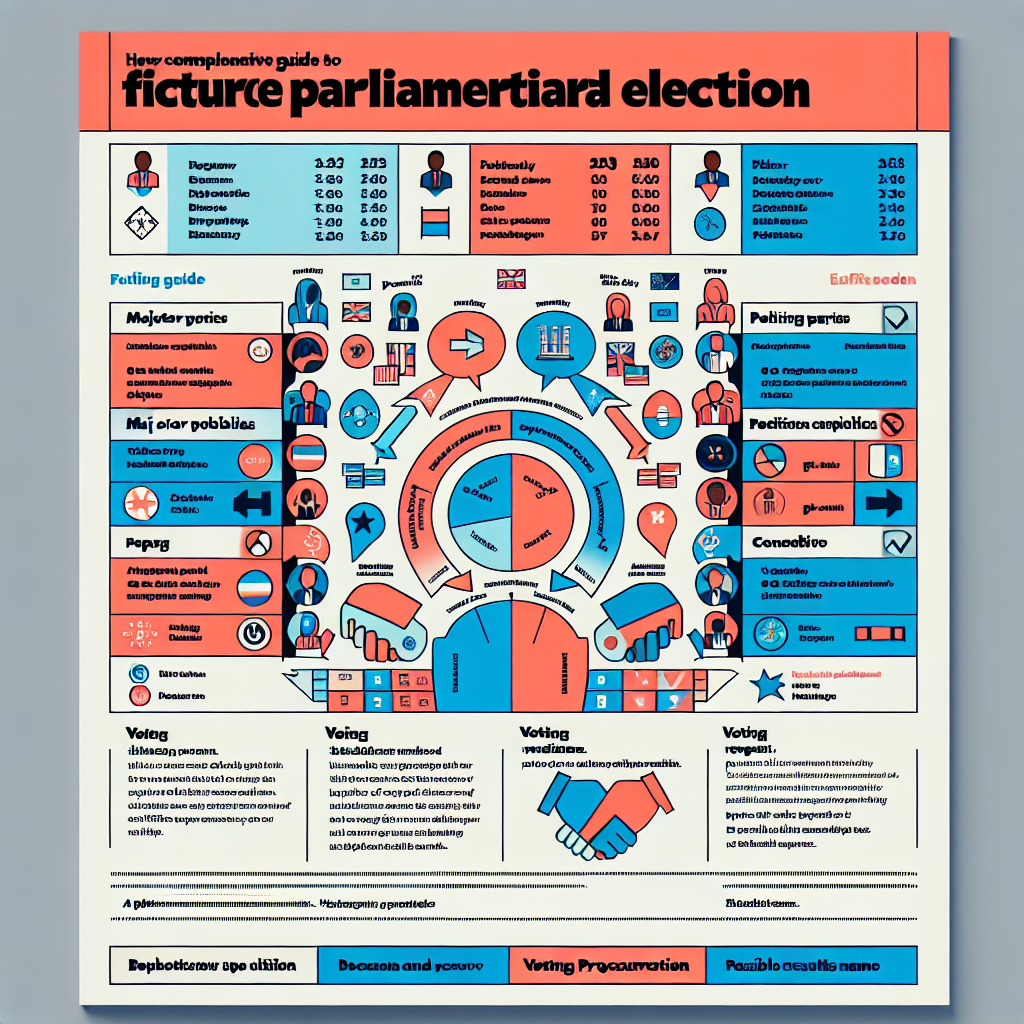
Comprehensive Guide to the 2025 German Bundestag Election

Comprehensive Guide to the 2025 German Bundestag Election
Introduction
The 2025 German Bundestag Election is a pivotal event that will shape the future of Germany’s political landscape. This guide provides an in-depth look at the key aspects of the election, including the major parties, candidates, and issues at stake.

Key Dates and Timeline
Understanding the timeline is crucial for following the election process. Here are the important dates to keep in mind:


- Election Date: Scheduled for September 2025.
- Campaign Period: Begins in early 2025, with parties and candidates ramping up their efforts.
- Debates and Public Forums: Expected to take place throughout the summer of 2025.
Major Political Parties and Candidates
The election will see participation from several major political parties, each with its own agenda and candidates:


- Christian Democratic Union (CDU): Traditionally a center-right party, focusing on economic stability and security.
- Social Democratic Party (SPD): Center-left party emphasizing social justice and welfare policies.
- Alliance 90/The Greens: Advocating for environmental policies and sustainable development.
- Free Democratic Party (FDP): Promoting free-market policies and individual liberties.
- Alternative for Germany (AfD): Right-wing party with a focus on immigration and national identity.
Key Issues at Stake
The 2025 election will revolve around several critical issues that resonate with the German electorate:
- Climate Change: Policies on renewable energy and carbon emissions will be a major focus.
- Economic Recovery: Strategies to boost the economy post-pandemic will be scrutinized.
- Immigration and Integration: Debates on immigration policies and integration of migrants.
- Digital Transformation: Emphasis on advancing Germany’s digital infrastructure.
Potential Outcomes and Implications
The results of the election could lead to significant shifts in Germany’s domestic and foreign policies. Potential outcomes include:
- Coalition Government: Likely scenario given Germany’s multi-party system.
- Policy Shifts: Depending on the winning coalition, there could be changes in economic, environmental, and social policies.
- European Union Relations: Germany’s role in the EU may be redefined based on the election results.
Conclusion
The 2025 German Bundestag Election is set to be a defining moment for the country, with significant implications for its future direction. Voters will be tasked with choosing leaders who can navigate complex issues such as climate change, economic recovery, and digital transformation. As the election approaches, staying informed about the parties, candidates, and key issues will be crucial for understanding the potential impact on Germany and beyond.