
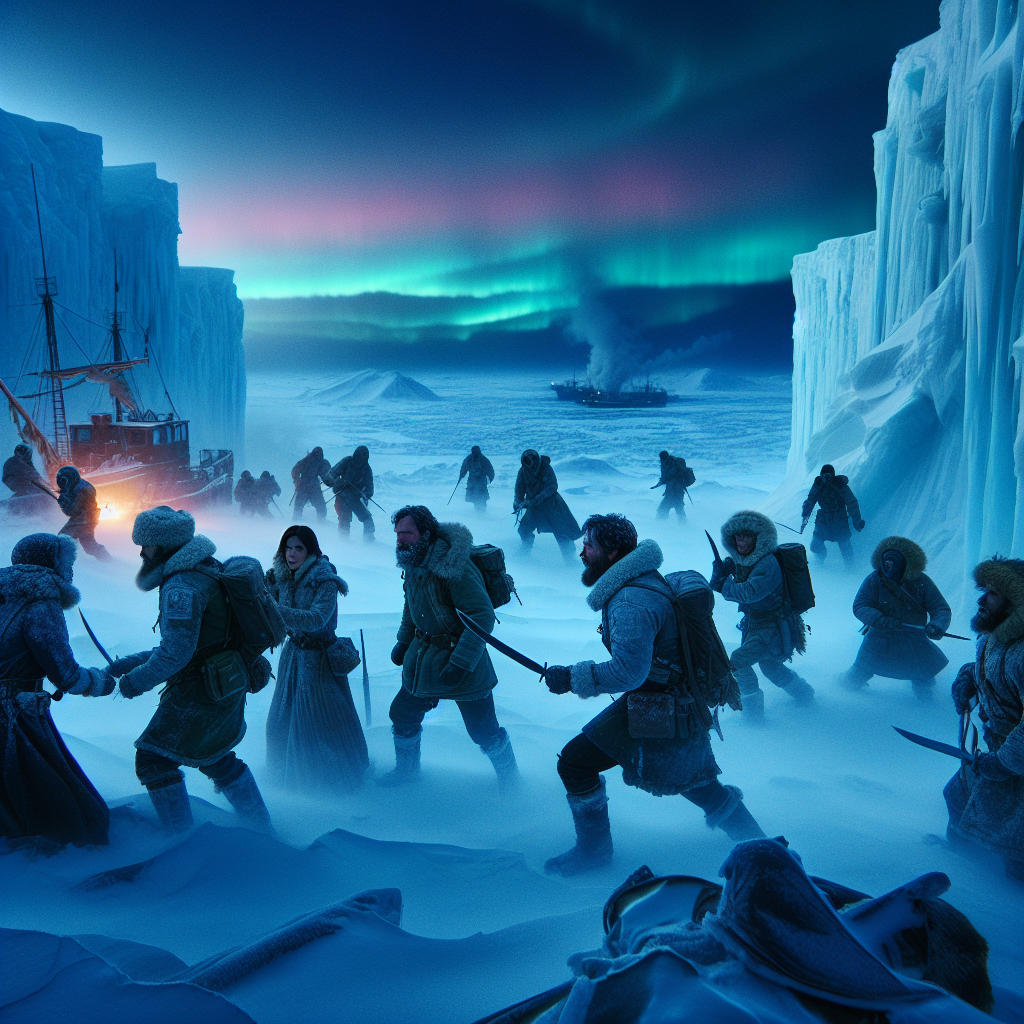
Conflict in the Arctic? | Begin Here

Conflict in the Arctic? | Begin Here
Introduction to the Arctic Tensions
The Arctic region, once a symbol of untouched wilderness, is now emerging as a focal point of geopolitical interest. As climate change melts ice caps, new opportunities and challenges arise, leading to potential conflicts among nations vying for control and resources.

Key Drivers of Arctic Conflict
- Resource Riches: The Arctic is believed to hold vast reserves of oil, gas, and minerals, making it a lucrative target for countries seeking energy security.
- Strategic Shipping Routes: Melting ice is opening new maritime routes, significantly reducing shipping times between major global markets.
- Military Presence: Nations are increasing their military footprint in the region, raising concerns about potential confrontations.
Stakeholders in the Arctic
Several countries and organizations have vested interests in the Arctic, each with its own agenda:


- Arctic Nations: Countries like Russia, Canada, the United States, Norway, and Denmark are directly involved due to their geographical proximity.
- Non-Arctic Nations: China and other countries are expressing interest in the region’s resources and shipping lanes.
- International Organizations: Bodies like the Arctic Council aim to promote cooperation and prevent conflict.
Environmental and Indigenous Concerns
While geopolitical interests dominate the narrative, environmental and indigenous issues are critical:


- Environmental Impact: Increased activity threatens the fragile Arctic ecosystem, with potential long-term consequences for global climate.
- Indigenous Rights: Indigenous communities are advocating for their rights and the protection of their traditional lands and ways of life.
Conclusion: Navigating the Arctic Future
The Arctic is at a crossroads, with the potential for both cooperation and conflict. As nations navigate this complex landscape, the need for diplomatic engagement and sustainable practices becomes paramount. The future of the Arctic will depend on balancing economic interests with environmental stewardship and respecting the rights of indigenous peoples.















