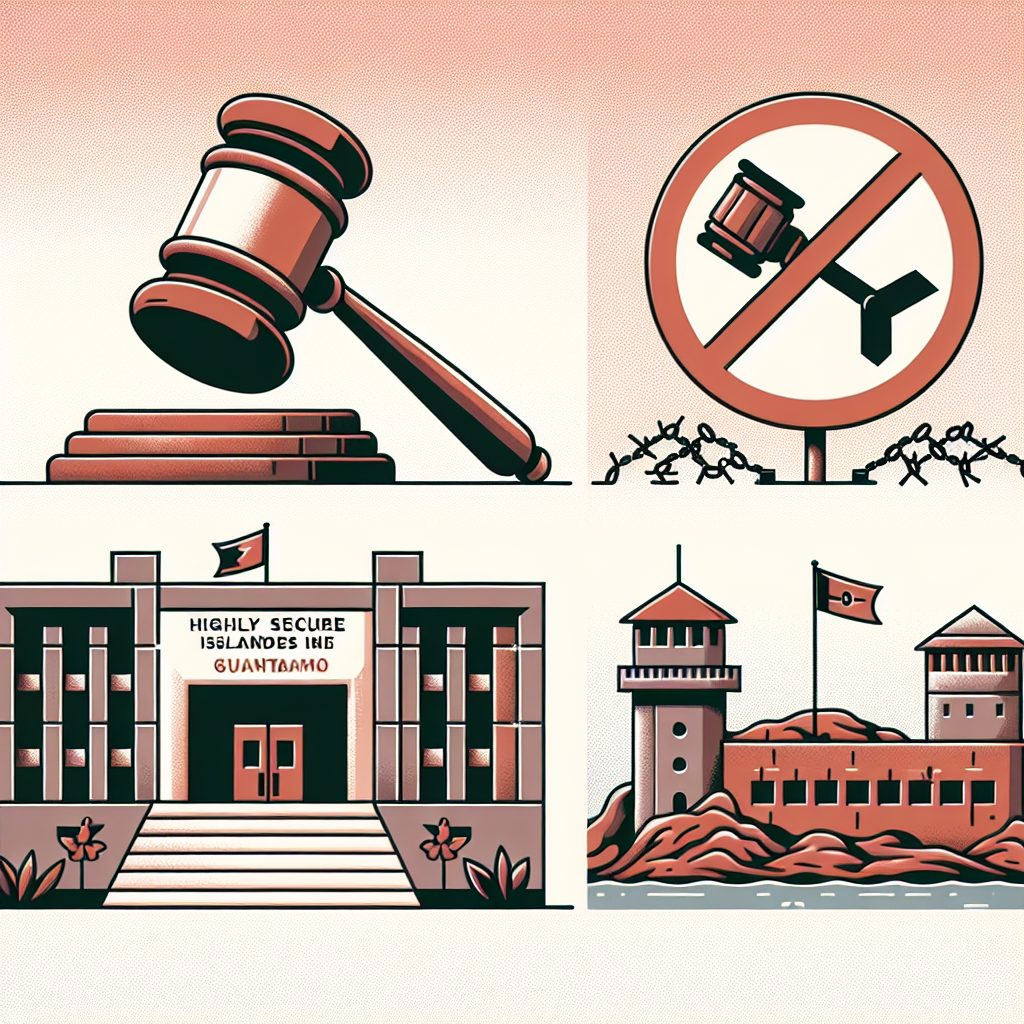
Court Decision Blocks Advocates Aiding Migrants Sent to Guantanamo and Halting Further Transfers

Court Decision Blocks Advocates Aiding Migrants Sent to Guantanamo
Overview of the Court Ruling
A recent court decision has halted the transfer of migrants to Guantanamo Bay, a move that has significant implications for immigration policy and humanitarian efforts. The ruling also restricts advocates from providing assistance to those already transferred, raising concerns among human rights organizations.

Key Points of the Decision
- Transfer Halted: The court has ordered a stop to any further transfers of migrants to Guantanamo Bay, citing legal and ethical concerns.
- Advocacy Restrictions: Legal and humanitarian advocates are now barred from aiding migrants who have already been sent to the facility, limiting their access to essential support.
- Human Rights Concerns: The decision has sparked a debate over the treatment of migrants and the role of Guantanamo Bay in immigration enforcement.
Implications for Migrants and Advocates
The court’s decision has far-reaching implications for both migrants and the organizations that support them. By restricting access to legal and humanitarian aid, the ruling may exacerbate the challenges faced by migrants in detention. Additionally, it raises questions about the future of immigration policy and the use of military facilities for civilian purposes.


Reactions from Stakeholders
- Human Rights Organizations: Many groups have expressed concern over the decision, arguing that it undermines the rights of migrants and sets a dangerous precedent.
- Government Response: Officials have defended the use of Guantanamo Bay as a necessary measure for managing immigration, though the court’s ruling may prompt a reevaluation of this stance.
- Public Opinion: The decision has sparked a public debate, with opinions divided on the balance between national security and human rights.
Conclusion
The court’s decision to block further transfers of migrants to Guantanamo Bay and restrict advocacy efforts highlights the ongoing tension between immigration enforcement and human rights. As stakeholders react to the ruling, the future of immigration policy and the treatment of migrants remain critical issues for public discourse and legal scrutiny.