
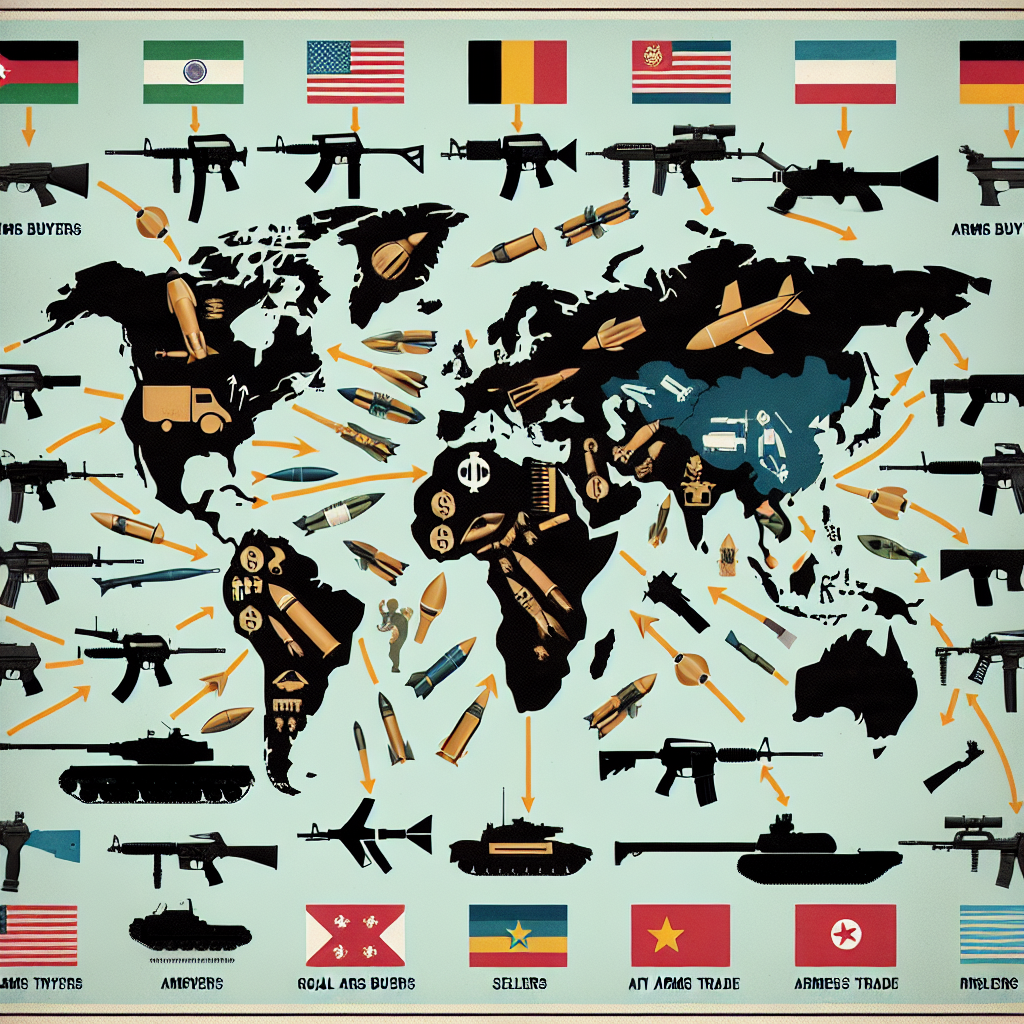
Current Trends in Global Arms Trade: Buyers and Sellers

Current Trends in Global Arms Trade: Buyers and Sellers
Introduction to the Global Arms Market
The global arms trade is a dynamic and complex market, influenced by geopolitical tensions, technological advancements, and shifting alliances. This summary explores the current trends in arms trade, highlighting key buyers and sellers, and the factors driving these transactions.

Key Players in the Arms Trade
The arms trade is dominated by a few major players, both on the supply and demand sides. Understanding these key players provides insight into the market dynamics.


Leading Arms Exporters
- United States: Continues to be the largest arms exporter, supplying advanced military technology to allies worldwide.
- Russia: Maintains a strong presence in the market, with a focus on supplying to countries in Asia, Africa, and the Middle East.
- France: Increasing its market share with significant deals in the Middle East and Asia.
- China: Expanding its influence by offering competitive pricing and flexible terms to developing nations.
Major Arms Importers
- India: The largest arms importer, driven by regional security concerns and modernization efforts.
- Saudi Arabia: A significant buyer, focusing on advanced systems to bolster its defense capabilities.
- Australia: Increasing its imports to enhance its military strength amid regional tensions.
- Egypt: Investing heavily in military hardware to address internal and regional security challenges.
Trends Shaping the Arms Trade
Several trends are currently shaping the global arms trade, reflecting broader geopolitical and technological shifts.


Technological Advancements
- Increased demand for cutting-edge technologies such as drones, cyber warfare tools, and missile defense systems.
- Growing interest in artificial intelligence and autonomous systems for military applications.
Geopolitical Influences
- Rising tensions in regions like the Asia-Pacific and the Middle East driving increased arms purchases.
- Shifts in alliances and partnerships influencing arms trade patterns and agreements.
Economic Factors
- Economic constraints in some countries leading to a focus on cost-effective solutions and second-hand equipment.
- Emerging markets seeking to develop indigenous defense industries to reduce dependency on imports.
Conclusion
The global arms trade is a reflection of the current geopolitical landscape, with major powers vying for influence through strategic arms deals. As technology evolves and regional tensions persist, the demand for advanced military capabilities continues to grow. Understanding the key players and trends in this market is crucial for anticipating future developments and their potential impact on global security.















