
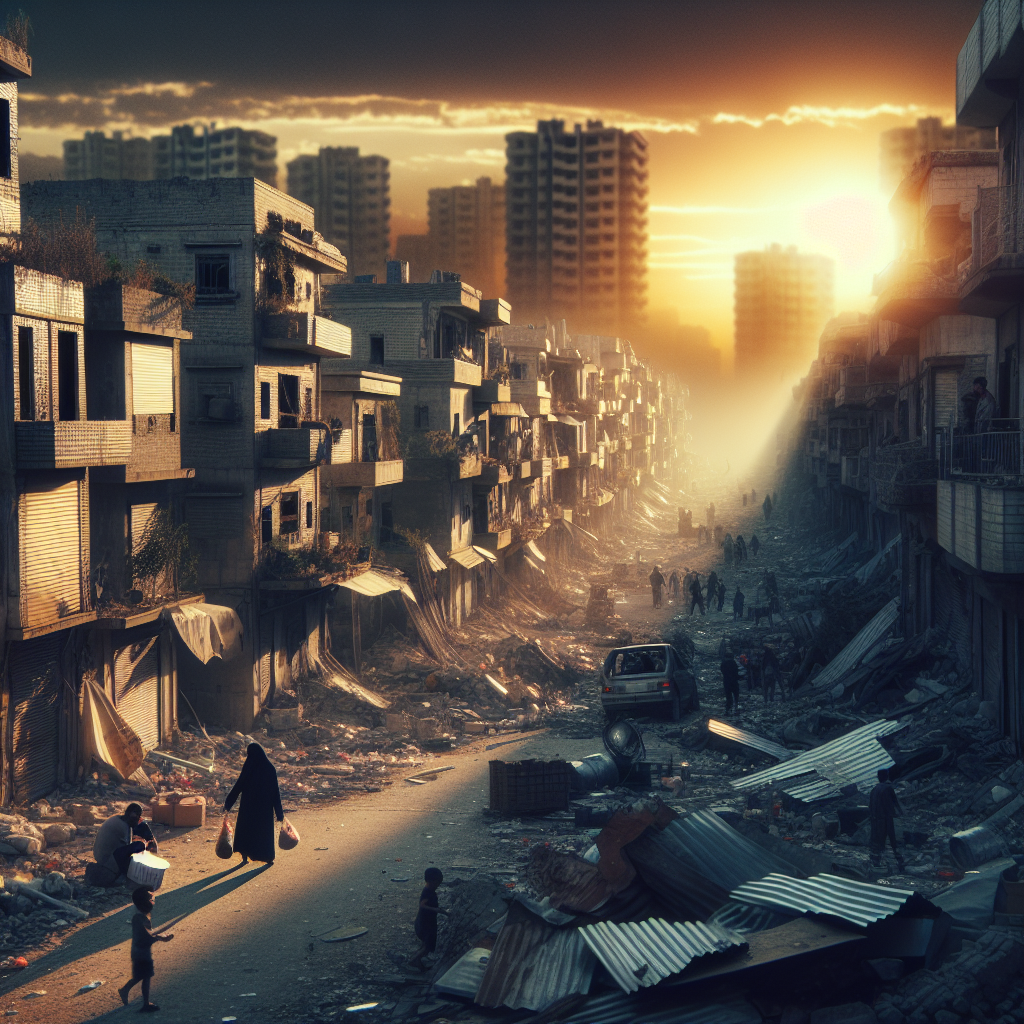
Desperation and Deprivation in Gaza: A Crisis Unfolds

Desperation and Deprivation in Gaza: A Crisis Unfolds
Overview of the Crisis
The Gaza Strip is currently facing a severe humanitarian crisis characterized by widespread desperation and deprivation. This situation has been exacerbated by ongoing conflicts, economic instability, and limited access to essential resources.

Key Factors Contributing to the Crisis
- Conflict and Violence: Continuous hostilities have led to significant loss of life and infrastructure damage, further destabilizing the region.
- Economic Hardship: High unemployment rates and restricted economic activities have plunged many families into poverty.
- Resource Scarcity: Limited access to clean water, electricity, and healthcare services has severely impacted daily life.
Humanitarian Impact
The crisis has had a profound impact on the civilian population, with vulnerable groups such as children and the elderly being disproportionately affected. The lack of basic necessities has led to increased malnutrition and health issues.


International Response
Global organizations and neighboring countries have been called upon to provide aid and support. However, logistical challenges and political complexities have hindered effective intervention.


Path Forward
- Diplomatic Efforts: Renewed peace talks and negotiations are essential to address the root causes of the conflict.
- Humanitarian Aid: Increased international aid and support are crucial to alleviate immediate suffering and rebuild infrastructure.
- Economic Development: Long-term strategies to boost economic growth and employment opportunities are needed to ensure sustainable recovery.
Conclusion
The unfolding crisis in Gaza is a complex humanitarian emergency driven by conflict, economic challenges, and resource scarcity. Immediate international intervention and long-term strategic planning are essential to address the needs of the affected population and pave the way for a more stable and prosperous future.















