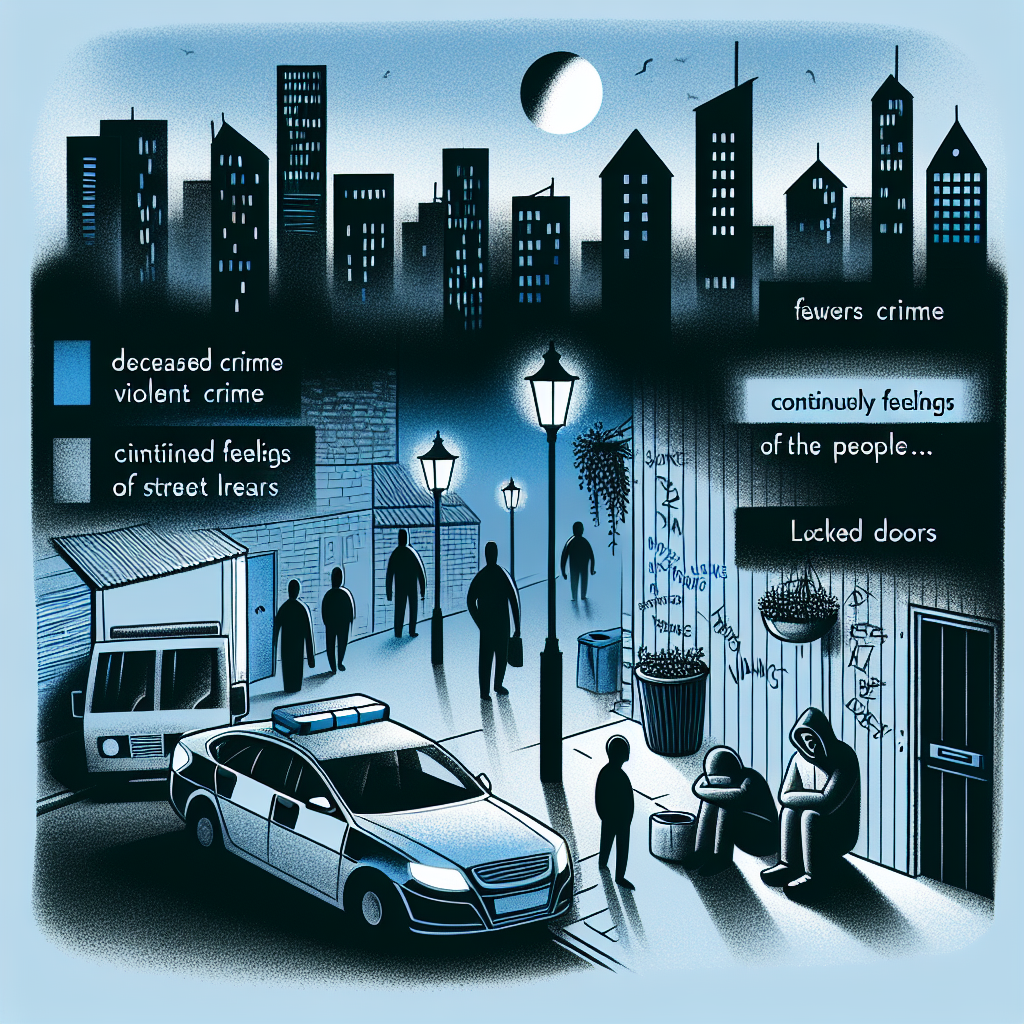
Despite Decreased Violent Crime in 2024, Many in US Cities Still Feel Unsafe

Despite Decreased Violent Crime in 2024, Many in US Cities Still Feel Unsafe
Overview of Crime Statistics
In 2024, violent crime rates in major US cities have seen a notable decline. This trend is supported by comprehensive data from law enforcement agencies, indicating a positive shift in public safety metrics.

Public Perception vs. Reality
Despite the statistical decrease in violent crime, a significant portion of urban residents continue to feel unsafe. This disconnect between data and perception is influenced by various factors:


- Media coverage focusing on isolated incidents of violence.
- Social media amplifying fear through viral content.
- Personal experiences and anecdotal evidence overshadowing broader trends.
Factors Contributing to Fear
Several elements contribute to the persistent sense of insecurity among city dwellers:


- High-profile crimes that receive extensive media attention.
- Increased visibility of homelessness and mental health issues.
- Concerns about police effectiveness and response times.
Efforts to Address Public Concerns
City officials and community leaders are actively working to bridge the gap between perception and reality by:
- Enhancing community policing efforts to build trust.
- Implementing public awareness campaigns to educate residents on actual crime trends.
- Investing in mental health and social services to address root causes of crime.
Conclusion
While violent crime rates have decreased in 2024, the feeling of insecurity remains prevalent in many US cities. Addressing this issue requires a multifaceted approach that combines accurate information dissemination, community engagement, and targeted social interventions. By aligning public perception with reality, cities can foster a greater sense of safety and well-being among their residents.