
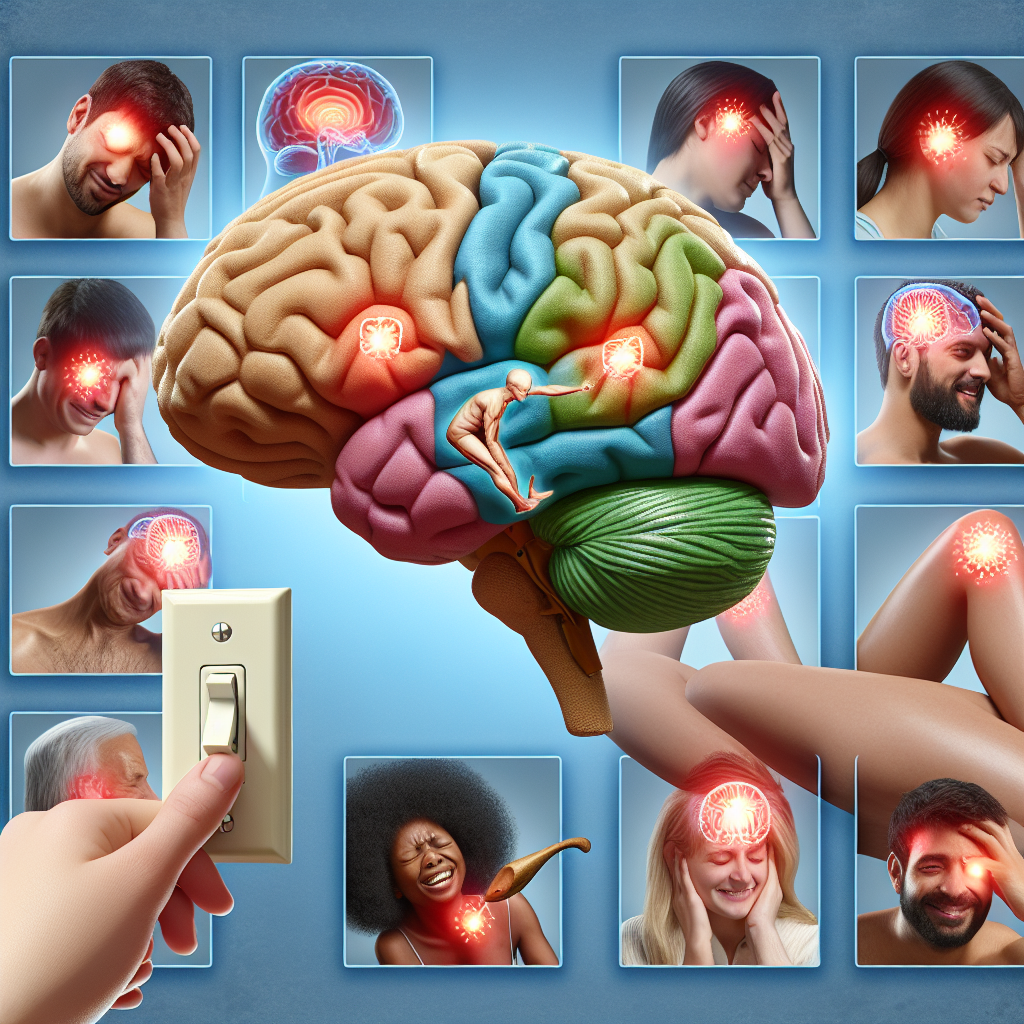
Discovering the Brain’s Ability to Turn Off Pain Instantly

Discovering the Brain’s Ability to Turn Off Pain Instantly
Introduction to the Breakthrough
Recent scientific advancements have unveiled the brain’s remarkable ability to switch off pain almost instantaneously. This discovery opens new avenues for pain management and offers hope for individuals suffering from chronic pain conditions.

The Science Behind the Discovery
Researchers have identified specific neural pathways that can be activated to suppress pain signals. This process involves:


- Targeting particular brain regions responsible for pain perception.
- Utilizing advanced imaging techniques to observe real-time changes in brain activity.
- Employing non-invasive methods to stimulate these pathways effectively.
Potential Implications for Pain Management
The ability to control pain at the neural level could revolutionize treatment approaches. Key implications include:


- Reducing reliance on opioid medications, which carry significant addiction risks.
- Providing relief for patients with conditions that are resistant to traditional pain therapies.
- Enhancing the quality of life for individuals with chronic pain by offering a non-pharmacological solution.
Challenges and Future Directions
While the findings are promising, several challenges remain:
- Understanding the long-term effects of manipulating brain pathways.
- Ensuring the safety and efficacy of these techniques across diverse populations.
- Developing personalized approaches to cater to individual pain profiles.
Conclusion
This groundbreaking discovery of the brain’s ability to turn off pain instantly marks a significant milestone in neuroscience and pain management. By harnessing the power of neural pathways, researchers are paving the way for innovative treatments that could transform the lives of millions suffering from chronic pain.













