
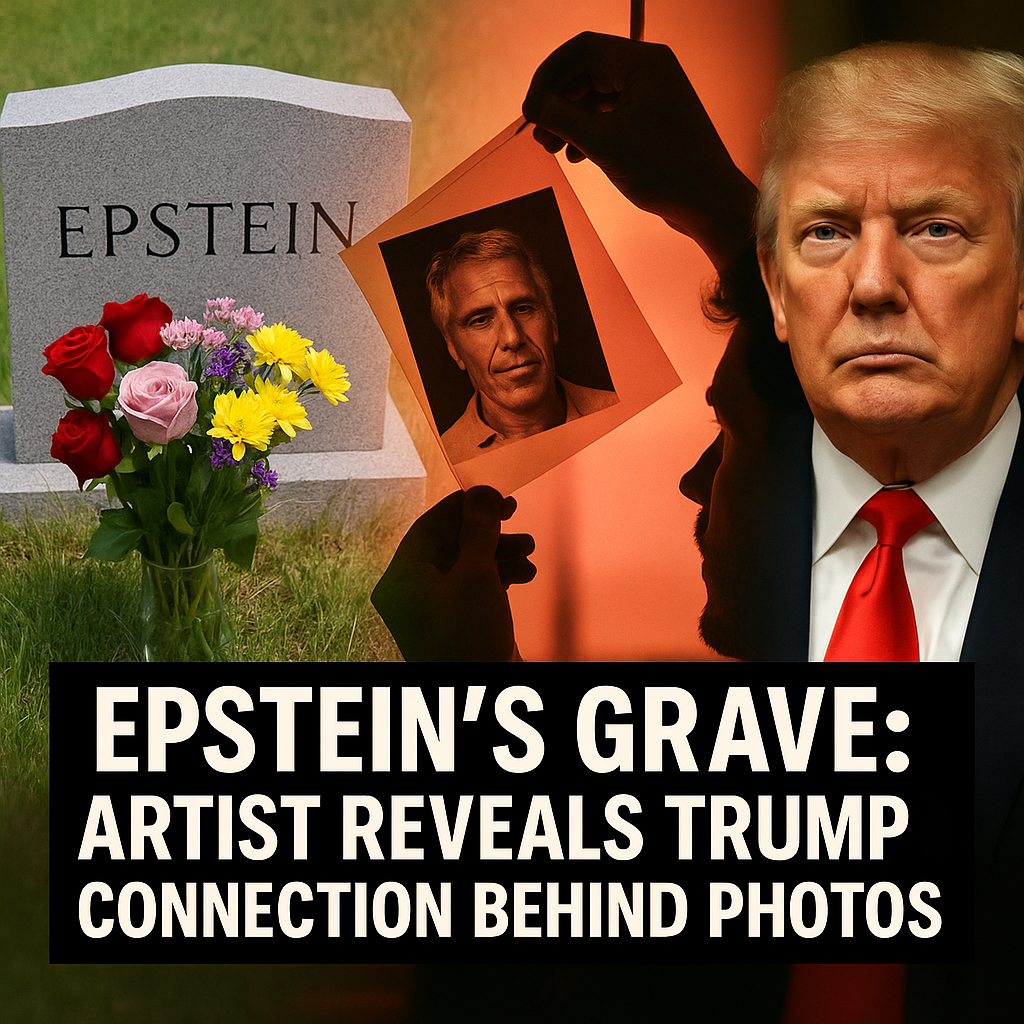
Epstein’s Grave: Artist Reveals Trump Connection Behind Photos

Epstein’s Grave: Artist Reveals Trump Connection Behind Photos
In an unexpected intertwining of high-profile figures, the life—and death—of Jeffrey Epstein continues to provoke public discourse, especially through the lens of an artist’s revelation about a connection to Donald Trump. This compelling narrative not only re-examines the notorious financier’s legacy but also questions the broader implications of celebrity culture and accountability.

Artistic Endeavors Amid Controversy
The artist in question, whose provocative work often blends political commentary with visual storytelling, has revealed a series of photographs taken at Epstein’s grave. This project was conceived not just as a tribute but as a medium to critique the sordid realities surrounding Epstein’s life and death. Describing the experience, the artist suggests that Epstein could “be rolling in his grave, laughing,” a nod to the absurdity of power dynamics that often shield the elite from scrutiny.


This perspective raises several questions: How does art serve as a form of protest? In what ways do images shape public perception about individuals like Epstein and Trump? While some see the artist’s work as a necessary confrontation of uncomfortable truths about wealth and privilege, others criticize it as trivializing serious issues.


The Trump Connection: Multiple Perspectives
The link between Epstein and Trump, illustrated through the artist’s lens, exposes a complex array of reactions. Many commentators note that Trump and Epstein were once social acquaintances, sharing similar elite atmospheres. News outlets highlight that Trump’s connections to Epstein pose questions about his past judgments and associations.
Conversely, supporters of Trump tend to downplay the significance of this connection, arguing that meetings within elite social circles do not equate to complicity or endorsement of Epstein’s criminal behavior. This divide outlines a broader narrative about how public figures are often scrutinized through partisan lenses.
Epstein’s associations with numerous powerful individuals, including other politicians and celebrities, complicate the discourse, as it raises the point about how guilt by association can sometimes muddy the waters of public judgment. The artist’s critique aims to illuminate this phenomenon, urging viewers to grapple with uncomfortable truths about societal norms that seem to protect the affluent while ostracizing the vulnerable.
Media Reflection and Public Engagement
The broader media landscape plays a crucial role in shaping the conversation around Epstein and Trump. Various news outlets have reported on the tenuous aspects of their relationship, ranging from casual acquaintanceship to deeper, more unsettling associations. For example, Al Jazeera’s coverage tends to emphasize the necessity for comprehensive accountability among those who perpetuate environments that allow predatory behavior to flourish.
On the other hand, outlets like RT often highlight reactions from Trump’s base, framing the narrative around notions of character attacks that serve to rally supporters. This stark division highlights how narratives about such high-profile figures are frequently polarized, leading to a public forum that oscillates between outrage and defense.
As public interest continues to thrive, debates persist about how much responsibility should be leveled at those who engaged with Epstein. Scrutinizing the connections to Trump adds layers to the ongoing discussion about agency, privilege, and accountability in the circles of the powerful.
The Role of Art in Unveiling Truths
The imagery spawned by the artist invites viewers to reconsider their engagements with societal issues—whether through the lens of personal responsibility, reactive morality, or artistic critique. It essentially acts as a mirror reflecting not just the past, but also the present implications of past associations. Art, in this case, is a vehicle for confrontation, a way to challenge dominant narratives surrounding figures like Epstein and Trump.
Artists have long served as catalysts for dialogue, pushing society to evaluate its standards and judgments. Whether this critique is effective or divisive remains a matter of personal interpretation. The conversations generated from such works signify an appetite for deeper investigation into the nuances of power and culpability.
Conclusion: The Ongoing Discourse
The intersection of Epstein’s grave and Trump’s social relevance is not merely a story about two men but a broader commentary on a system that often confers immunity on the powerful. As the artist’s work prompts renewed discussion, it is essential for the public to engage critically with these images and stories, recognizing the complexities involved.
In examining these narratives, we must remain vigilant not to conform to simplistic notions of guilt and innocence. Rather, the ongoing dialogue invites us to think more deeply about accountability, societal complicity, and how we regard figures who, through art, media, and politics, continue to influence our understanding of justice in contemporary society.















