
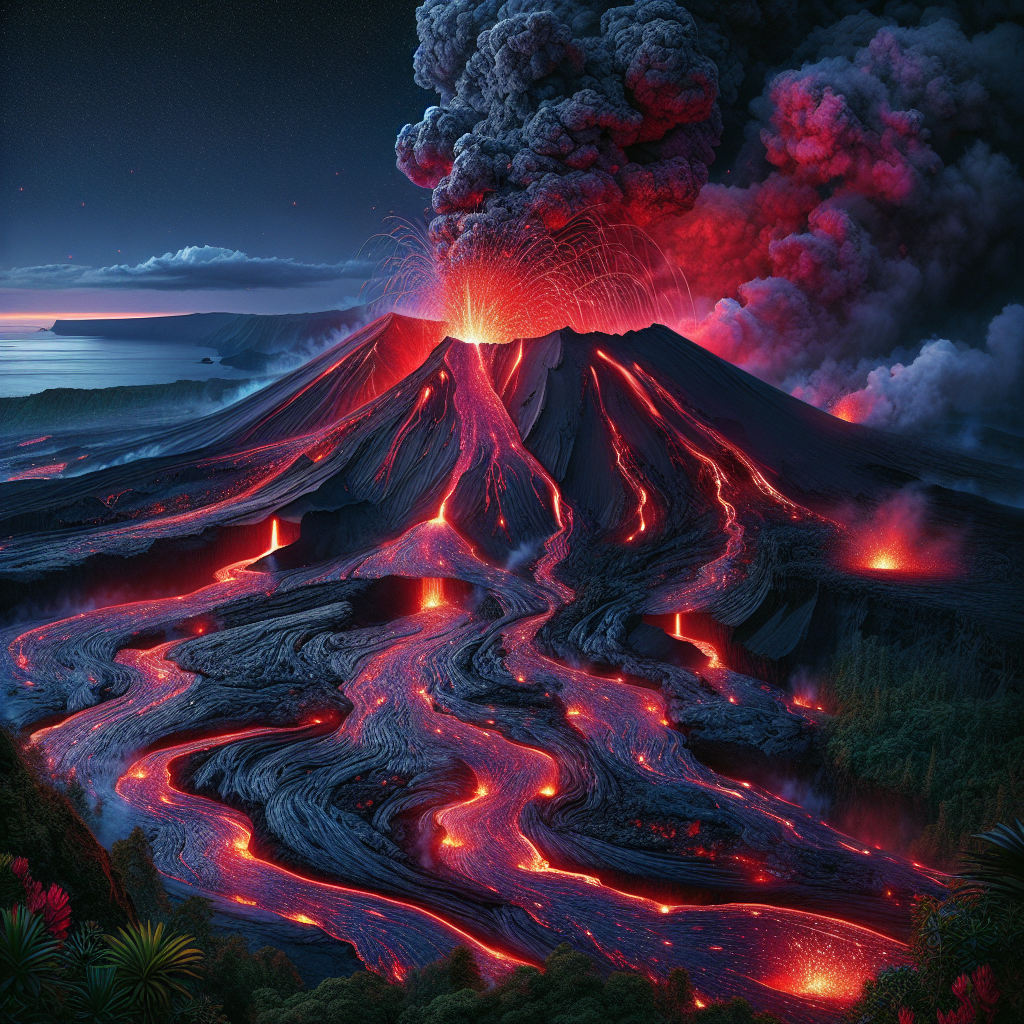
Eruption of Kilauea Volcano in Hawaii

Eruption of Kilauea Volcano in Hawaii
Overview of the Eruption
The Kilauea Volcano, one of the most active volcanoes in the world, has erupted once again, capturing global attention. Located on Hawaii’s Big Island, this latest eruption has sparked both concern and fascination due to its potential impact on the local environment and communities.

Key Details of the Eruption
- Date of Eruption: The eruption began on [insert date], marking another significant event in Kilauea’s long history of volcanic activity.
- Location: The eruption is centered in the Halemaʻumaʻu crater within the Kilauea caldera.
- Volcanic Activity: The eruption has been characterized by lava fountains, ash plumes, and significant seismic activity.
Impact on Local Communities
The eruption has prompted local authorities to issue warnings and advisories to ensure public safety. Residents and tourists are advised to stay informed and adhere to safety guidelines.


- Evacuations: Some areas have been evacuated as a precautionary measure.
- Air Quality: The eruption has affected air quality, with vog (volcanic smog) posing health risks.
- Road Closures: Several roads have been closed due to lava flows and ash deposits.
Environmental and Scientific Significance
The eruption provides a unique opportunity for scientists to study volcanic activity and its effects on the environment. It also highlights the dynamic nature of Hawaii’s volcanic landscape.


- Research Opportunities: Scientists are closely monitoring the eruption to gather data on volcanic processes.
- Ecological Impact: The eruption may alter local ecosystems, affecting flora and fauna.
Conclusion
The eruption of Kilauea Volcano is a reminder of the powerful natural forces at play in Hawaii. While it poses challenges for local communities, it also offers valuable insights for scientific research. As the situation evolves, staying informed and prepared remains crucial for those in the affected areas.















