
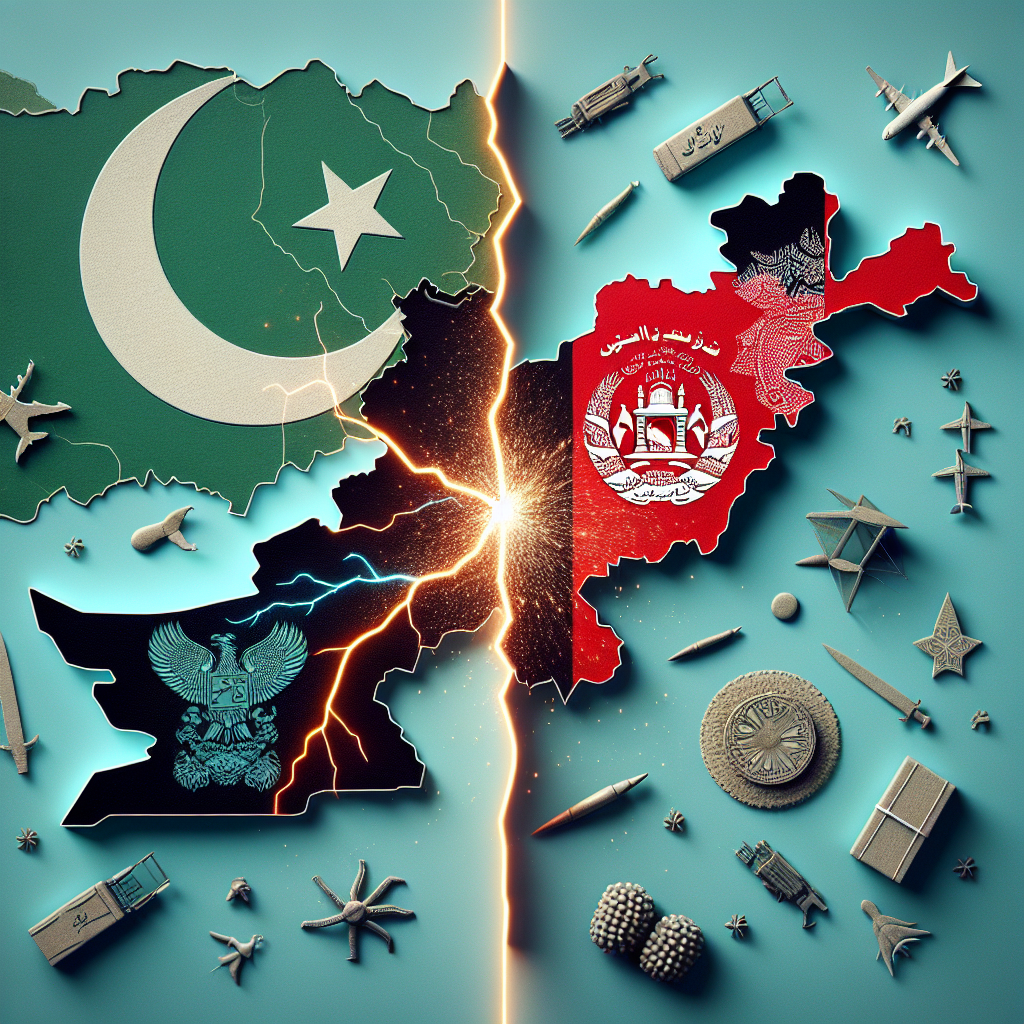
Escalating Cross-Border Attacks Strain Pakistan-Afghanistan Relations

Escalating Cross-Border Attacks Strain Pakistan-Afghanistan Relations
Overview
Recent cross-border attacks have intensified tensions between Pakistan and Afghanistan, leading to a significant strain on diplomatic relations. The ongoing conflict has raised concerns about regional stability and the potential for further escalation.

Key Developments
- Increased Hostilities: Both nations have reported a surge in cross-border shelling and armed confrontations, resulting in casualties and heightened military alertness.
- Diplomatic Tensions: Diplomatic channels have been strained, with both countries accusing each other of harboring militant groups responsible for the attacks.
- Impact on Civilians: The conflict has adversely affected border communities, leading to displacement and humanitarian concerns.
Underlying Causes
The root causes of the conflict are complex, involving historical territorial disputes, the presence of militant groups, and geopolitical interests. Both nations have struggled to establish effective border management and counter-terrorism strategies.


International Reactions
- Calls for Restraint: The international community has urged both countries to exercise restraint and engage in dialogue to prevent further escalation.
- Regional Implications: Neighboring countries and international organizations are concerned about the potential spillover effects on regional security.
Conclusion
The escalating cross-border attacks between Pakistan and Afghanistan have significantly strained their bilateral relations, with serious implications for regional stability. Addressing the underlying causes and fostering diplomatic dialogue are crucial steps towards de-escalation and peace. The international community’s role in mediating and supporting conflict resolution efforts remains vital.

















