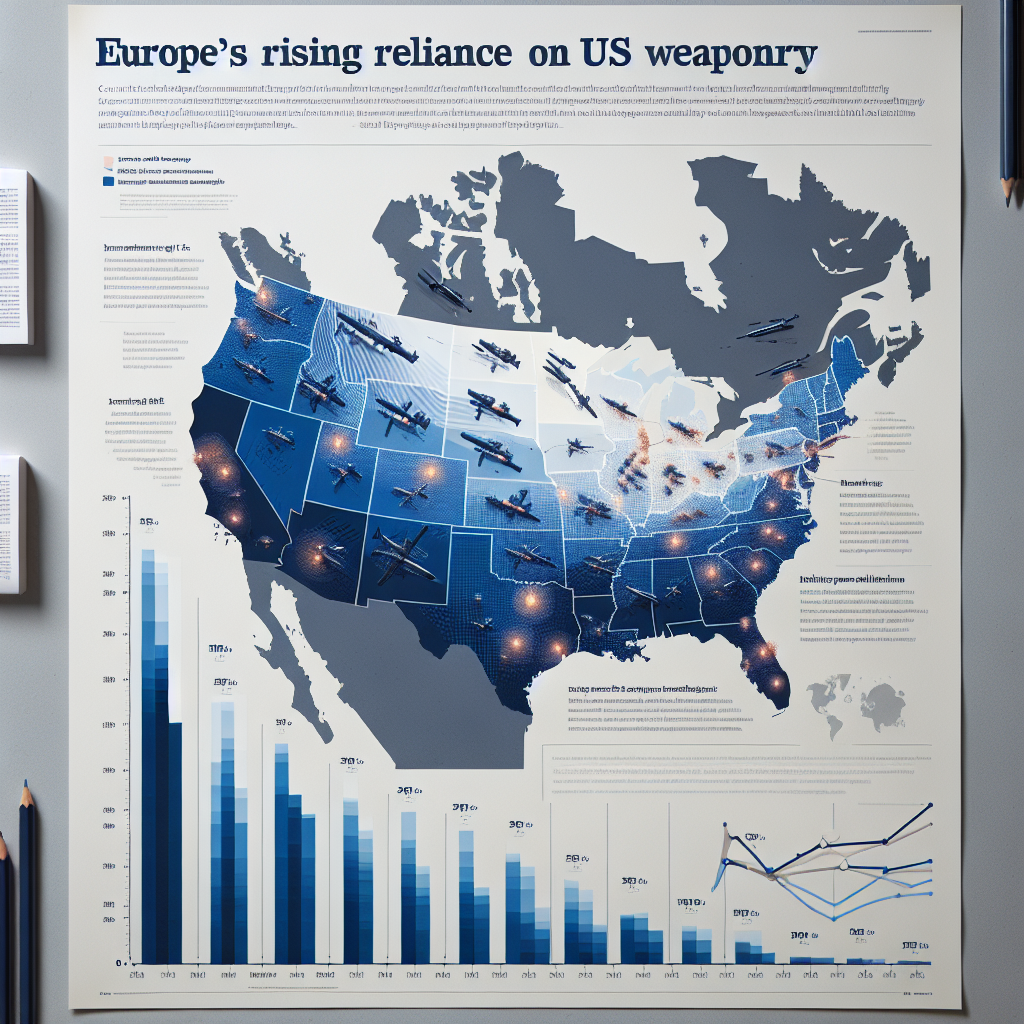
Europe’s Reliance on US Weaponry Increased Over the Past Five Years: Report

Europe’s Growing Dependence on US Weaponry: A Five-Year Overview
Introduction
In recent years, Europe’s reliance on US military equipment has seen a significant uptick. A comprehensive report highlights the increasing trend of European nations turning to the United States for their defense needs, driven by various geopolitical and strategic factors.

Key Drivers of Increased Reliance
- Geopolitical Tensions: Rising tensions with Russia and other global powers have prompted European countries to bolster their defense capabilities.
- NATO Commitments: As NATO members, European nations are encouraged to maintain compatible and interoperable military systems, often leading them to purchase US-made weaponry.
- Technological Superiority: The advanced technology and reliability of US weapons systems make them an attractive choice for European militaries.
Impact on European Defense Strategies
The increased reliance on US weaponry has significant implications for European defense strategies:


- Standardization: Aligning with US military standards ensures seamless cooperation during joint operations.
- Dependency Concerns: There is growing concern about over-dependence on US arms, which could impact Europe’s strategic autonomy.
- Economic Considerations: The financial implications of purchasing high-cost US weapons systems are a topic of debate among European policymakers.
Future Outlook
Looking ahead, Europe’s defense landscape is likely to continue evolving with a focus on balancing reliance on US weaponry with efforts to develop indigenous defense capabilities. Collaborative projects within the EU and increased investment in local defense industries are potential strategies to mitigate dependency.


Conclusion
In summary, Europe’s growing dependence on US weaponry over the past five years is driven by geopolitical, strategic, and technological factors. While this trend enhances military interoperability and capability, it also raises concerns about strategic autonomy and economic impact. The future will likely see a nuanced approach as Europe seeks to balance these dynamics.