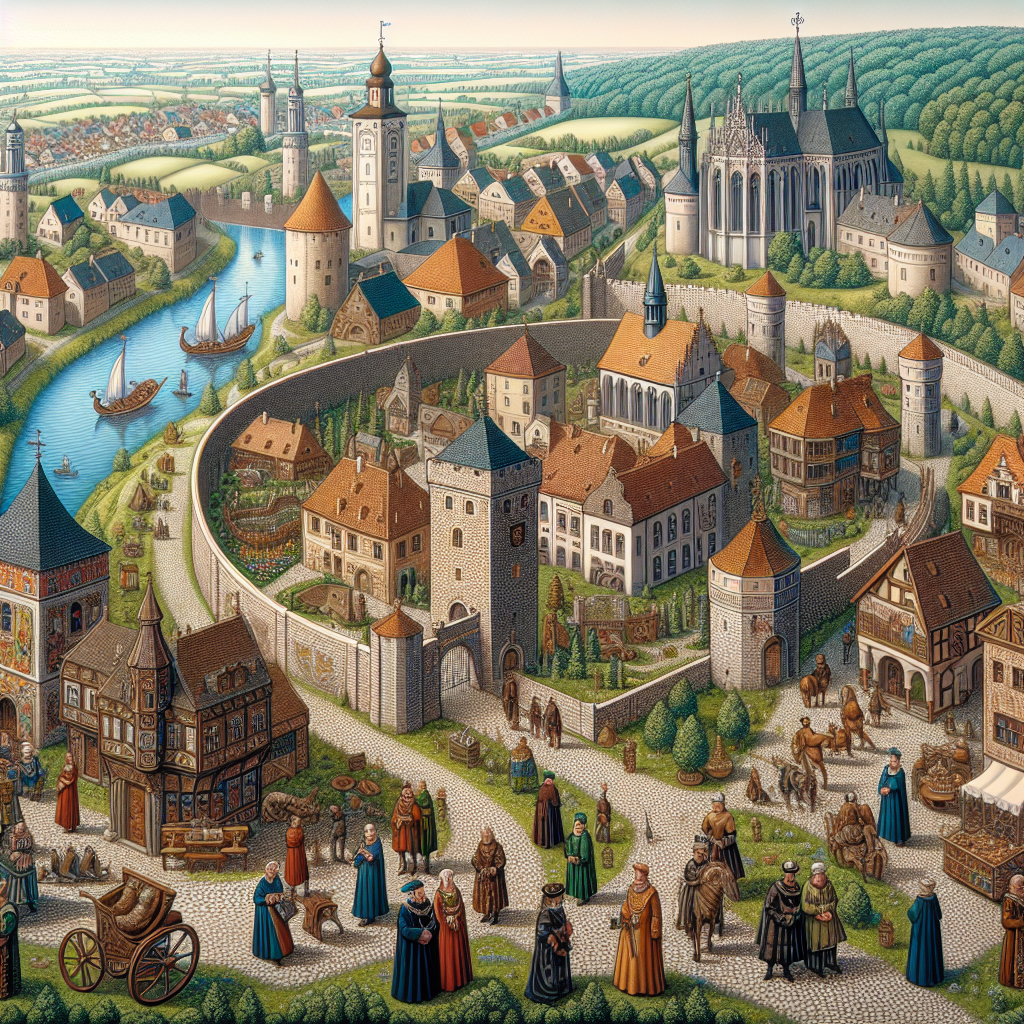
Europe’s Tiny Kingdoms: Surviving Medieval Monarchies Today

Europe’s Tiny Kingdoms: Surviving Medieval Monarchies Today
Introduction to Europe’s Tiny Kingdoms
Europe is home to several small monarchies that have withstood the test of time, maintaining their unique cultural and historical identities. These tiny kingdoms, often overlooked, offer a fascinating glimpse into the continent’s medieval past and its enduring legacy.

The Resilience of Medieval Monarchies
Despite the sweeping changes brought by modernity, these monarchies have managed to survive and thrive. Their resilience can be attributed to a combination of historical significance, cultural preservation, and political adaptation.


- Historical Significance: Many of these kingdoms have deep-rooted historical narratives that continue to captivate both locals and tourists.
- Cultural Preservation: They have successfully preserved unique traditions and customs that are integral to their identity.
- Political Adaptation: These monarchies have adapted to modern political landscapes, often playing ceremonial roles while maintaining influence.
Key Examples of Surviving Monarchies
Several small monarchies in Europe exemplify the survival of medieval traditions in the modern era. These include:


- Liechtenstein: Nestled between Switzerland and Austria, Liechtenstein is a principality known for its robust economy and picturesque landscapes.
- Monaco: Famous for its glamorous lifestyle and royal family, Monaco remains a symbol of luxury and tradition.
- Andorra: Governed by a unique co-principality system, Andorra is a blend of French and Spanish influences.
- Luxembourg: A grand duchy with a rich history, Luxembourg is a key player in European politics and finance.
The Role of Monarchies in Modern Europe
In today’s Europe, these monarchies serve as cultural ambassadors, attracting tourism and fostering national pride. They also play a role in diplomacy and international relations, often acting as neutral grounds for dialogue.
Conclusion
Europe’s tiny kingdoms are more than just relics of the past; they are vibrant entities that continue to shape the cultural and political landscape of the continent. Their ability to adapt while preserving their heritage is a testament to their enduring appeal and significance.