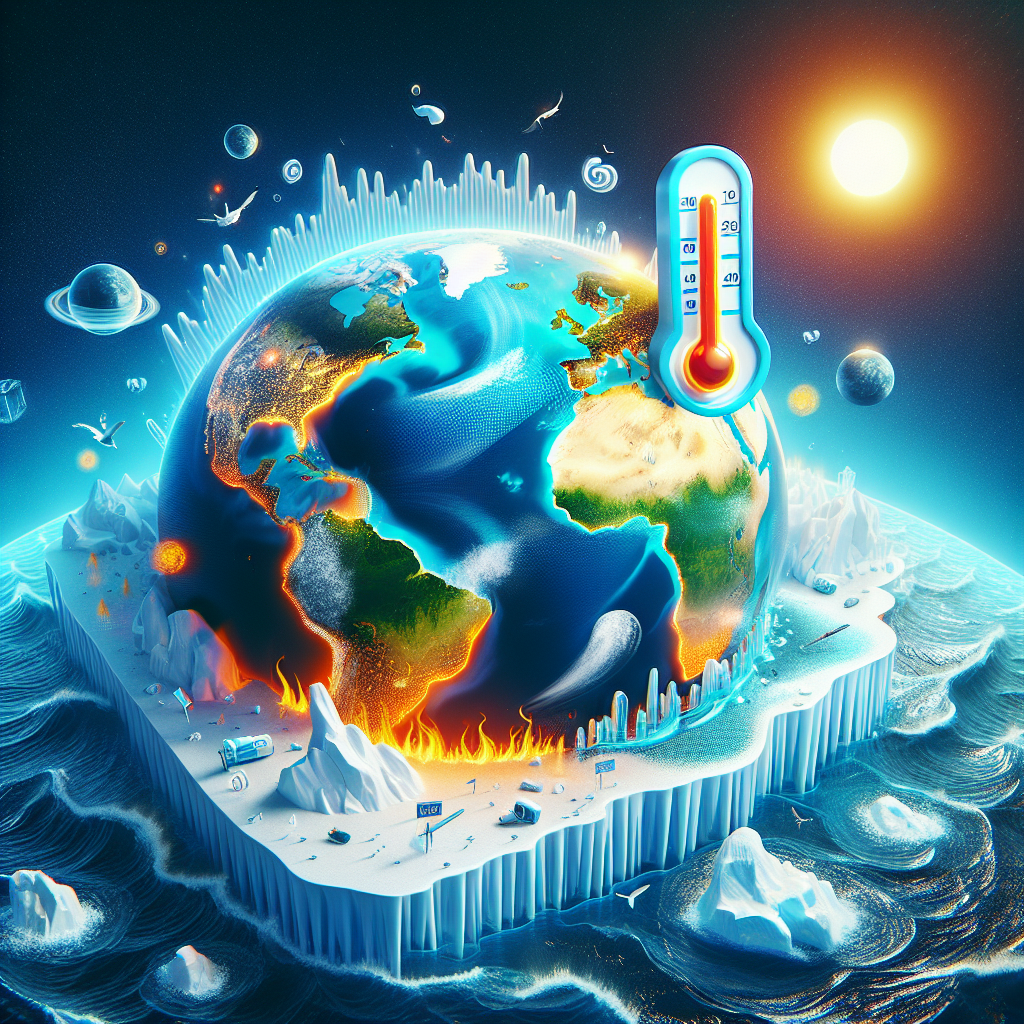
February Sees Record Low Global Sea Ice Amid Ongoing Heatwave

February Sees Record Low Global Sea Ice Amid Ongoing Heatwave
Introduction
In February, global sea ice levels plummeted to unprecedented lows, coinciding with a persistent heatwave affecting various regions worldwide. This alarming trend underscores the escalating impact of climate change on our planet’s ecosystems.

Key Highlights
- Record Low Sea Ice: February witnessed the lowest global sea ice extent ever recorded, raising concerns among scientists and environmentalists.
- Heatwave Impact: The ongoing heatwave has exacerbated the melting of sea ice, contributing to the record low levels observed.
- Regional Variations: While the Arctic and Antarctic regions both experienced significant ice loss, the patterns and rates of melting varied between the two poles.
Scientific Insights
Experts attribute the drastic reduction in sea ice to a combination of rising global temperatures and unusual weather patterns. The heatwave has intensified these effects, leading to accelerated ice melt.
Ads


Environmental Implications
- Rising Sea Levels: The reduction in sea ice contributes to rising sea levels, posing a threat to coastal communities worldwide.
- Wildlife Impact: The loss of sea ice habitats endangers species such as polar bears and seals, which rely on ice for survival.
- Climate Feedback Loops: Reduced ice cover decreases the Earth’s albedo effect, potentially accelerating global warming.
Conclusion
The record low global sea ice levels observed in February, coupled with the ongoing heatwave, highlight the urgent need for comprehensive climate action. Addressing these challenges is crucial to mitigating the adverse effects on ecosystems and human societies.
Ads

Ads

Ads

Ads

Ads

Ads

Ads

Ads

Ads

Ads

Ads

Ads

Ads