
Feeling Like a Stranger in My Own Homeland After the Genocide

Feeling Like a Stranger in My Own Homeland After the Genocide
Introduction
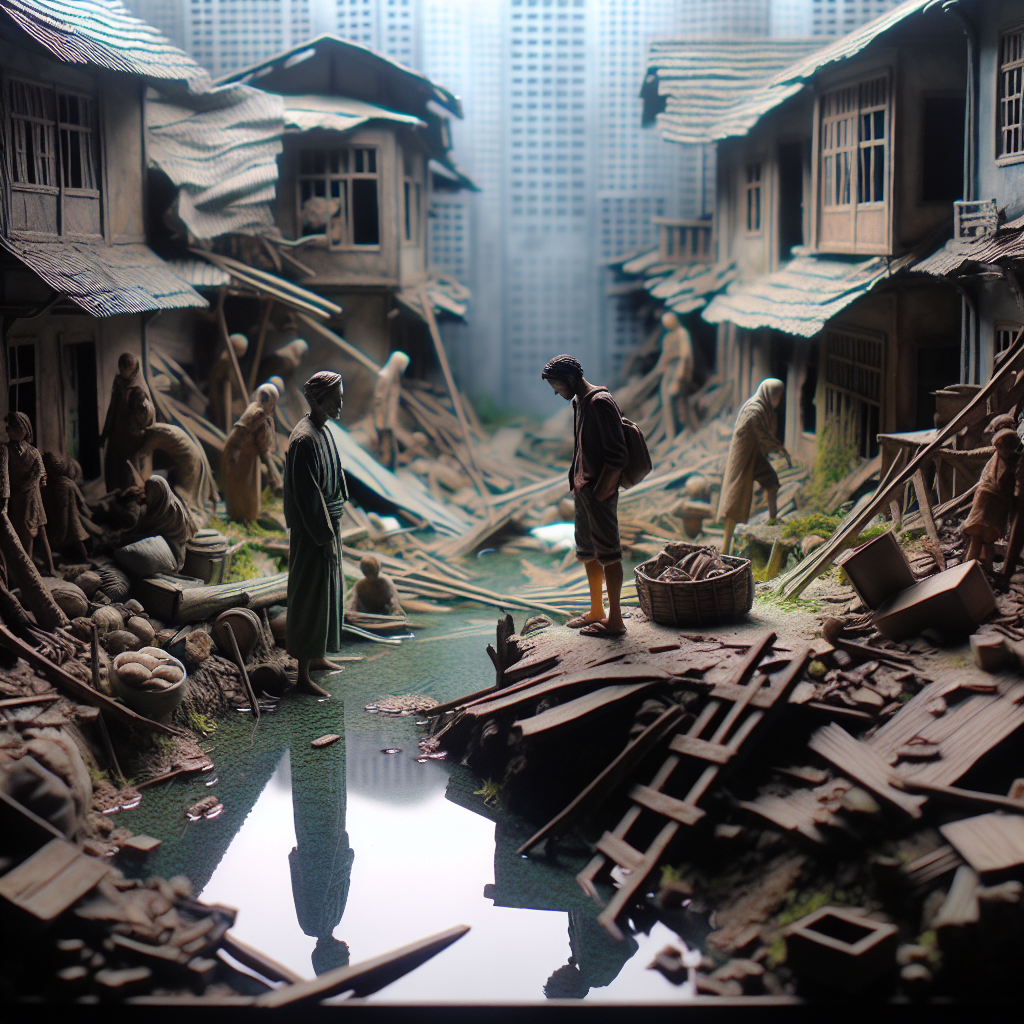
The aftermath of genocide leaves deep scars on individuals and communities, often resulting in a profound sense of alienation and displacement. This news topic explores the emotional and psychological impact on survivors who return to their homeland, only to find it unrecognizable.

The Emotional Turmoil
Survivors of genocide often grapple with a complex mix of emotions upon returning to their homeland:


- Alienation: The familiar landscapes and communities feel foreign and unwelcoming.
- Loss of Identity: Cultural and personal identities are often shattered, leading to a crisis of self.
- Grief and Trauma: The memories of lost loved ones and past horrors linger, making it difficult to move forward.
Challenges in Rebuilding
Reconstructing life in a post-genocide society presents numerous challenges:


- Social Fragmentation: Communities are often divided, with trust and cohesion severely damaged.
- Economic Hardships: Infrastructure and livelihoods are typically devastated, complicating recovery efforts.
- Psychological Support: Access to mental health resources is crucial but often limited.
Pathways to Healing
Despite the challenges, there are pathways to healing and reconciliation:
- Community Initiatives: Grassroots efforts can foster dialogue and rebuild trust.
- Cultural Revitalization: Embracing and preserving cultural heritage can aid in restoring identity.
- International Support: Global partnerships can provide necessary resources and expertise.
Conclusion
The journey of returning to a homeland after genocide is fraught with emotional and practical challenges. However, through community efforts, cultural preservation, and international support, survivors can begin to heal and rebuild their lives. The resilience of the human spirit shines through as individuals strive to reclaim their identity and sense of belonging in a changed world.















