Florence’s Hidden 16th-Century Corridor Opens to Visitors After 450 Years

Florence’s Hidden 16th-Century Corridor Opens to Visitors After 450 Years
Introduction to the Corridor
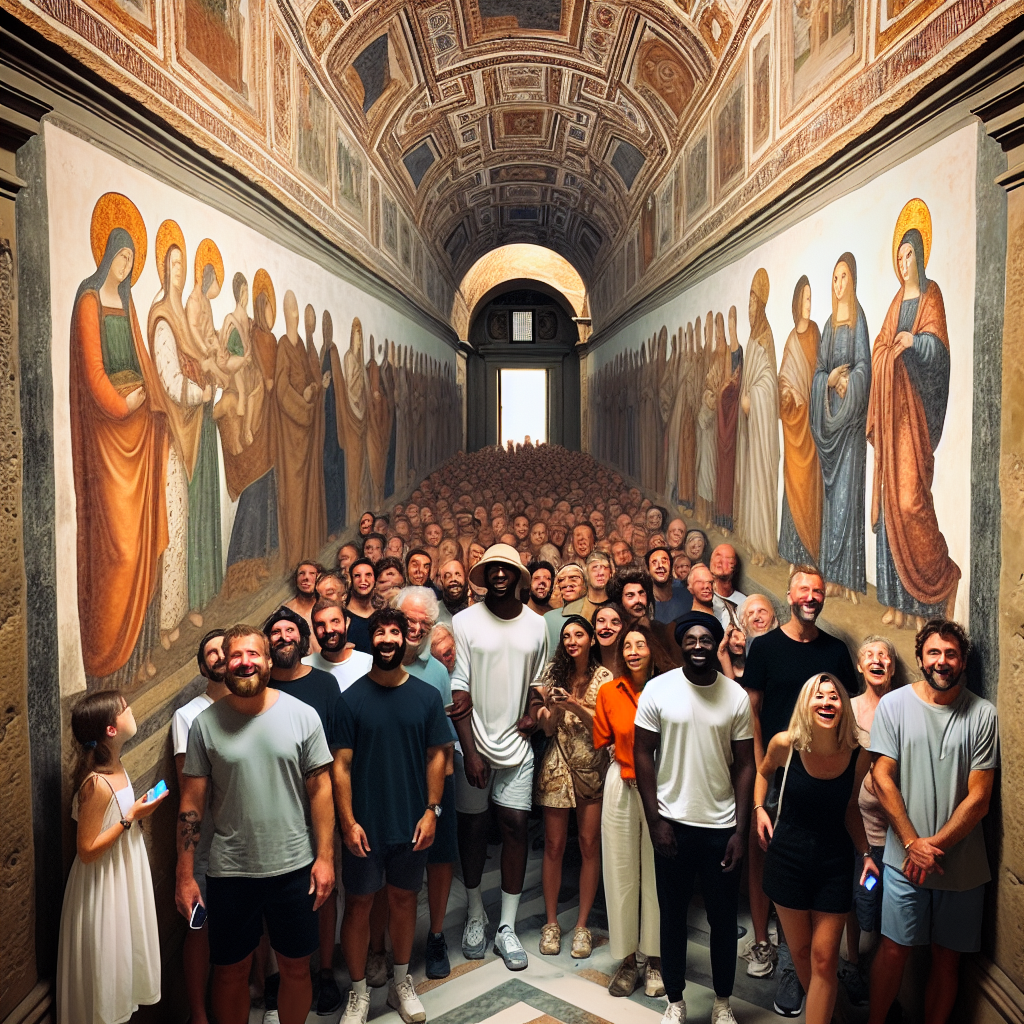
After being closed for nearly half a millennium, Florence’s secretive 16th-century corridor, known as the Vasari Corridor, is now accessible to the public. This historic passageway, which connects the Uffizi Gallery to the Pitti Palace, offers a unique glimpse into the past and a new cultural experience for visitors.

Historical Significance
The Vasari Corridor was originally constructed in 1565 by Giorgio Vasari for the Medici family. It served as a private walkway, allowing the powerful family to move safely and discreetly between their residences and government offices.


- Commissioned by Duke Cosimo I de’ Medici.
- Spans approximately one kilometer.
- Features a collection of self-portraits and artworks.
Restoration and Reopening
The corridor has undergone extensive restoration to preserve its historical integrity while making it accessible to modern visitors. This project was a collaborative effort involving historians, architects, and conservationists.


- Restoration focused on structural stability and art preservation.
- Modern amenities added for visitor comfort and safety.
- Reopened as part of a broader initiative to enhance cultural tourism in Florence.
Visitor Experience
Visitors can now walk the same path once reserved for the Medici, enjoying a curated experience that highlights the corridor’s rich history and artistic treasures. Guided tours provide insights into the corridor’s significance and the artworks it houses.
- Guided tours available in multiple languages.
- Access to previously unseen artworks and historical artifacts.
- Enhanced visitor engagement through interactive exhibits.
Conclusion
The reopening of the Vasari Corridor marks a significant moment in Florence’s cultural heritage, offering a rare opportunity to explore a hidden piece of history. This initiative not only enriches the city’s tourism landscape but also preserves an important legacy for future generations.