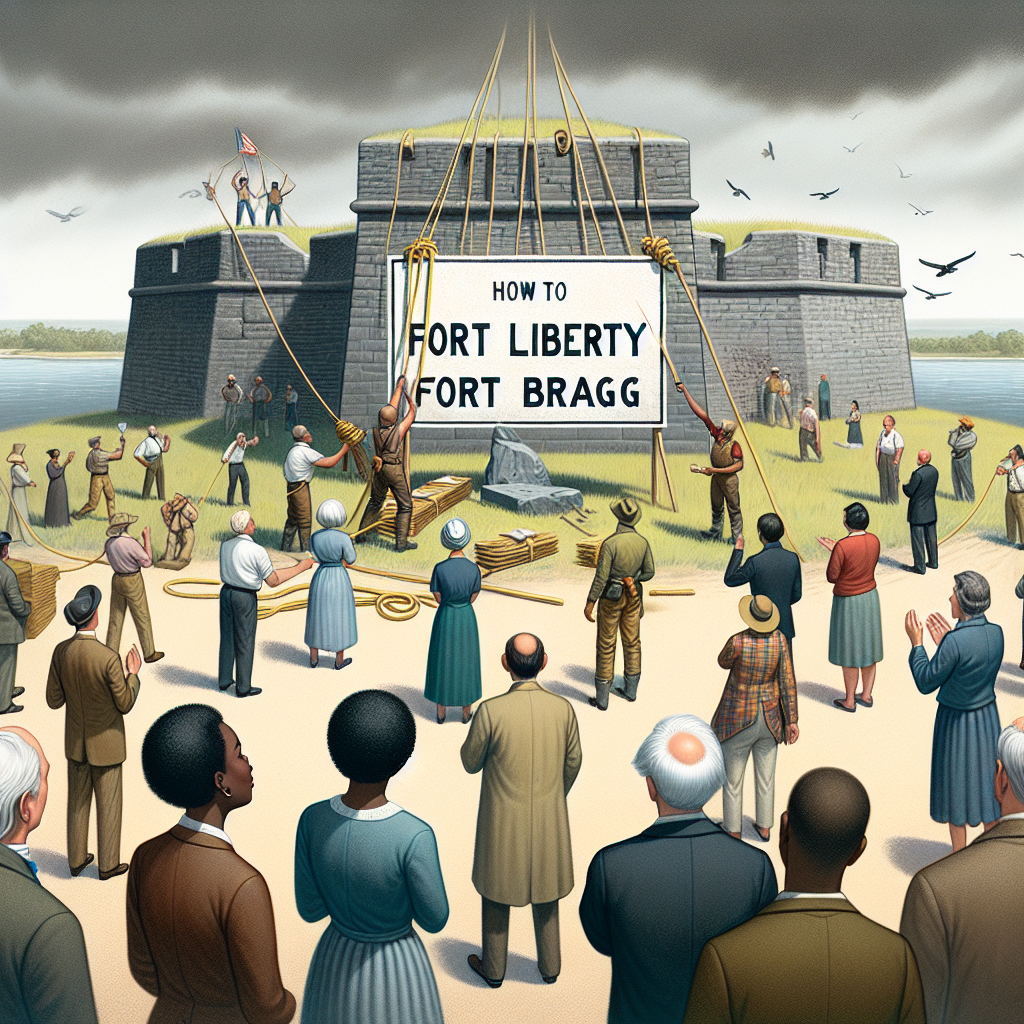
Fort Liberty Renamed Back to Fort Bragg: Unpacking the Controversy

Fort Liberty Renamed Back to Fort Bragg: Unpacking the Controversy
Background of the Renaming
Fort Liberty, originally known as Fort Bragg, has been a focal point of debate due to its historical associations. The name change back to Fort Bragg has reignited discussions about the implications and motivations behind such decisions.

Reasons for the Original Name Change
- Historical Context: The original name, Fort Bragg, was associated with Confederate General Braxton Bragg, which sparked controversy due to its ties to the Confederacy.
- Modern Sensibilities: The renaming to Fort Liberty was part of a broader movement to address and rectify historical injustices and promote inclusivity.
Arguments for Reverting to Fort Bragg
- Historical Significance: Proponents argue that the name Fort Bragg holds historical and cultural significance for the local community and military personnel.
- Tradition and Identity: Many believe that the name is an integral part of the identity and tradition of the military base.
Opposition to the Reversion
- Symbolism of Oppression: Critics argue that reverting to Fort Bragg symbolizes a return to honoring a controversial past linked to the Confederacy.
- Progressive Values: Opponents emphasize the importance of moving forward with names that reflect modern values of equality and justice.
Impact on the Community
The renaming has had a significant impact on the local community, with divided opinions on whether the change represents a step forward or backward. The debate highlights the ongoing struggle to balance historical preservation with contemporary values.


Conclusion
The controversy surrounding the renaming of Fort Liberty back to Fort Bragg underscores the complexities involved in reconciling historical legacy with modern values. As communities and institutions grapple with these issues, the debate serves as a reminder of the power of names and their role in shaping identity and history.