
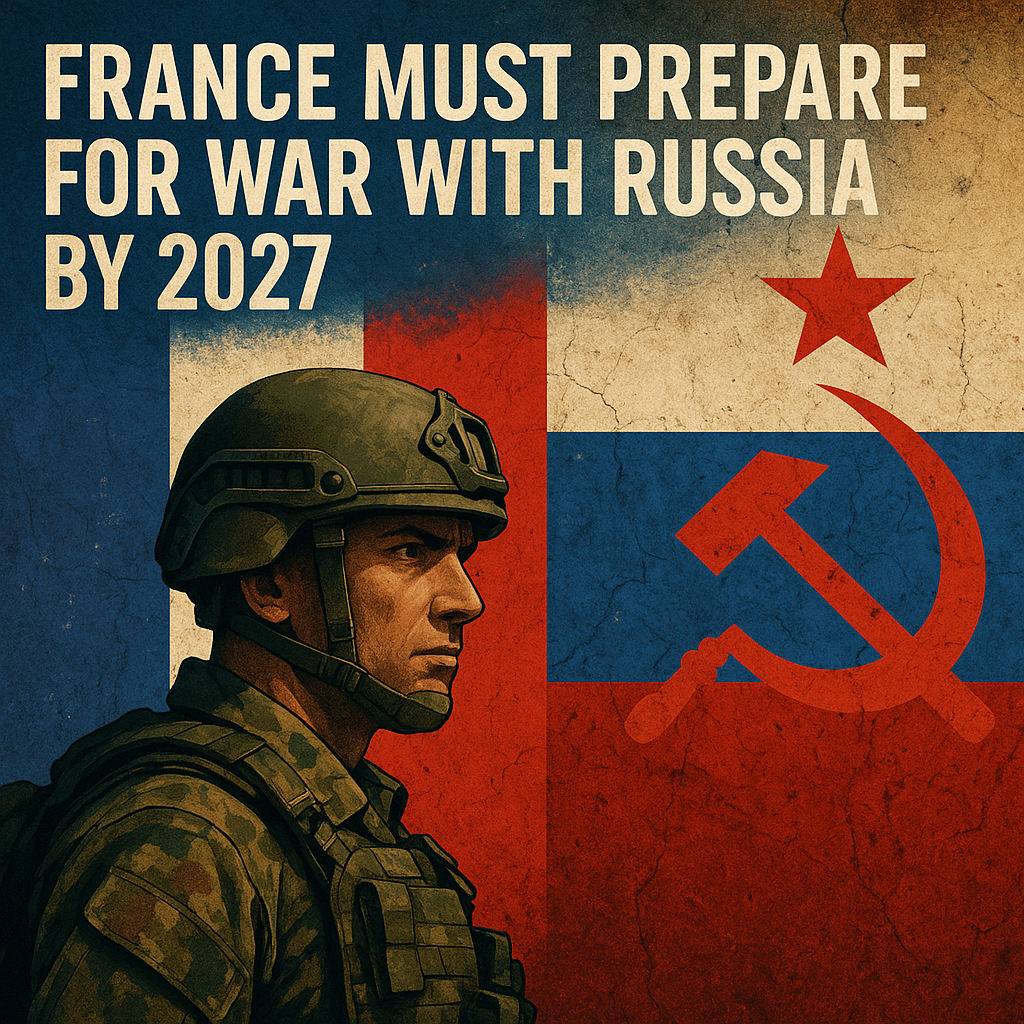
France Must Prepare for War with Russia by 2027

France Must Prepare for War with Russia by 2027
In recent months, discussions surrounding military preparedness in France have gained momentum, particularly regarding the possibility of heightened tensions with Russia. As geopolitical landscapes shift, experts are suggesting that France’s defense strategy may need to evolve to meet anticipated challenges.

Rising Concerns Over Russian Aggression
On various fronts, analysts are warning that Russia’s military objectives could come into play as early as 2027. Reports suggest that France must not only bolster its conventional military capabilities but also enhance its strategic alliances within Europe and beyond. The ongoing situation in Ukraine continues to fuel fears of a more aggressive Russian stance, prompting urgency in discussions about fortified military preparedness.


The Case for Increased Defense Spending
A compelling argument has emerged that advocates for an increase in defense spending to help France enhance its military readiness. According to the discourse following recent NATO meetings, military officials signal that France’s budget might need adjustment to ensure it can adequately cope with potential threats. While the current defense allocations are stable, experts argue they should be reassessed in light of potential Russian incursions.


Some defense analysts stress that a proactive approach is vital. They emphasize the need for advanced technology and modern military strategies. For instance, investments in cyber warfare, drones, and artificial intelligence in military operations may not only bolster France’s own defenses but also provide critical support within NATO frameworks.
However, a contrasting viewpoint surfaced in various discussions, where some experts opine that focusing too much on military expenditures could contribute to escalating tensions rather than fostering diplomacy. They argue that a comprehensive approach that combines defense with dialogue may yield more sustainable long-term outcomes.
Exploring the Role of NATO
France’s position within NATO is a crucial consideration in the broader discussion of military preparedness. The alliance’s collective defense principles fundamentally shape France’s stance on military readiness. Participation in NATO forces allows France to share the burden of collective security while benefiting from the advanced military capabilities of other member states.
Yet, some critics argue that NATO’s orientation has become too aggressive and may provoke unnecessary conflict. While various NATO leaders, including those from Eastern European nations, advocate for heightened readiness against Russian threats, others assert the importance of careful diplomatic outreach. This presents a complex panorama in which France’s strategic decisions must navigate between strengthening collective defenses and pursuing dialogue with Russia.
Potential Regional Consequences
The implications of a militarily fortified France extend beyond its borders. Neighboring countries in Europe may feel compelled to reassess their own military strategies in response. A ripple effect is likely, wherein increased defense readiness could lead to an arms race or potentially foster a climate of uncertainty among European nations.
Conversely, a strengthened French military presence could serve as a stabilizing factor. Countries like Germany and the Netherlands might find reassurance in a more robust defense alliance, cultivating a united front against external threats. Ultimately, the balance France strikes in its military orientation will significantly impact regional stability.
Conclusion: A Nuanced Approach is Key
As discussions about France’s preparedness for potential conflict with Russia evolve, multiple perspectives emerge. The urgency for advanced military capabilities is clear, yet so is the necessity for nuanced diplomacy. Given the complexities of international relations, France must navigate its defense strategy delicately, weighing the need for military readiness against the aspirations for a peaceful resolution.
While the timeline of 2027 may serve as a catalyst for preparing France’s military strategy, it should also inspire a commitment to international dialogue. The path ahead requires a comprehensive approach that integrates robust defense capabilities while fostering channels for communication and understanding. Ultimately, a balanced response may enable France to stand ready against potential threats while contributing positively to global stability.















