
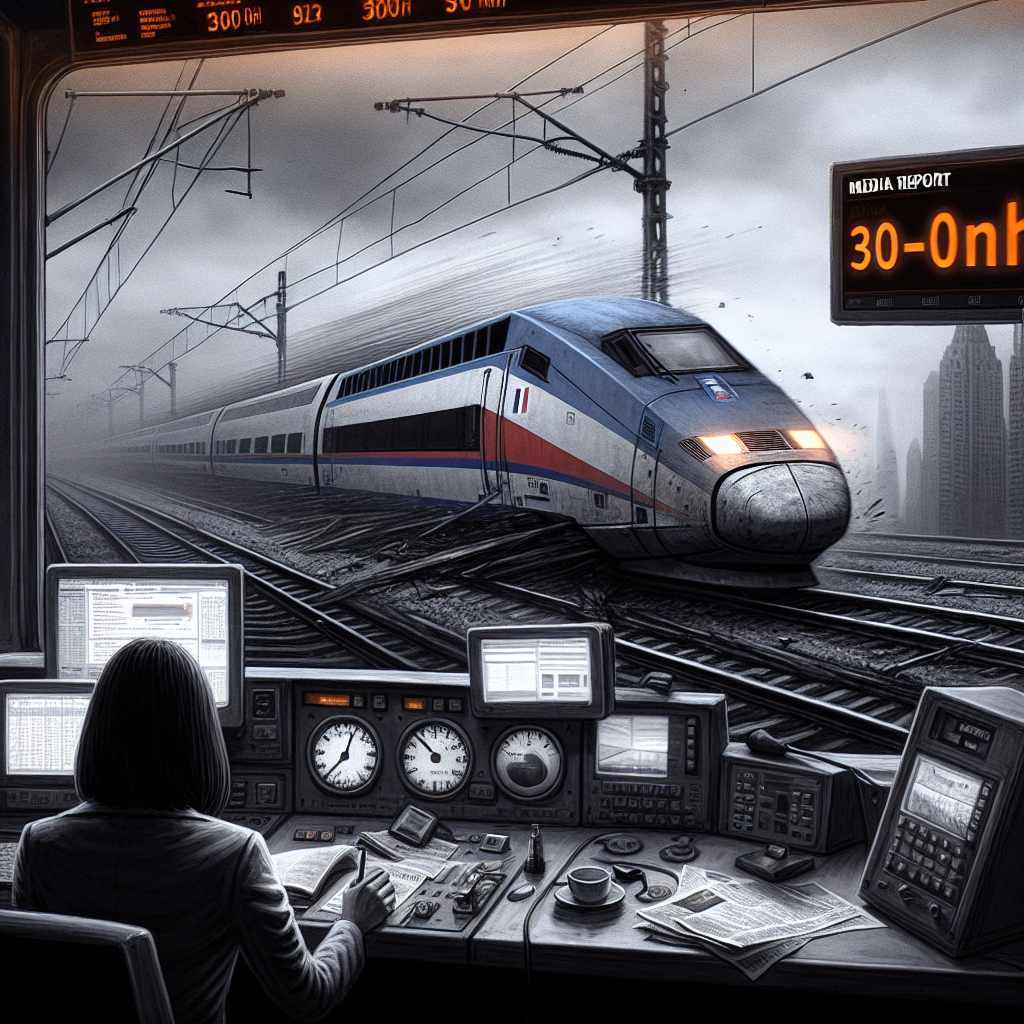
French Train Driver’s Tragic Incident at 300km/h – Media Report

French Train Driver’s Tragic Incident at 300km/h – Media Report
Overview of the Incident
A high-speed train in France was involved in a tragic incident, capturing media attention due to the circumstances surrounding the event. The train, traveling at a speed of 300km/h, was operated by an experienced driver who faced an unexpected and fatal situation.

Key Details of the Incident
- Location: The incident occurred on a major high-speed rail line, a crucial part of France’s extensive rail network.
- Speed: The train was traveling at 300km/h, highlighting the severity and potential danger of the situation.
- Driver’s Experience: The driver was noted for his extensive experience and expertise in operating high-speed trains.
- Immediate Response: Emergency services were promptly dispatched to the scene, ensuring a swift response to the unfolding situation.
Impact and Reactions
The incident has sparked a range of reactions from various stakeholders, including the rail company, government officials, and the public. Concerns have been raised about safety protocols and the measures in place to prevent such occurrences.


- Rail Company Statement: The rail company expressed deep sorrow and emphasized their commitment to investigating the incident thoroughly.
- Government Response: Officials have called for a review of safety measures and protocols to ensure passenger and staff safety.
- Public Sentiment: The public has shown an outpouring of support for the driver’s family and called for increased safety measures.
Conclusion
The tragic incident involving a French train driver at 300km/h has highlighted the critical importance of safety in high-speed rail travel. As investigations continue, the focus remains on understanding the cause and preventing future occurrences. The event has prompted a national conversation on rail safety, underscoring the need for robust safety protocols and swift emergency responses.














