
From Blogs to Bluesky: The Evolution of Social Media in Disaster Response

From Blogs to Bluesky: The Evolution of Social Media in Disaster Response
The Journey from Blogs to Modern Platforms
Social media has undergone a significant transformation in its role and effectiveness in disaster response. Initially, blogs served as the primary platform for sharing information during crises. Over time, the landscape has evolved to include a variety of platforms, each offering unique capabilities to enhance communication and coordination during emergencies.

Key Milestones in Social Media Evolution
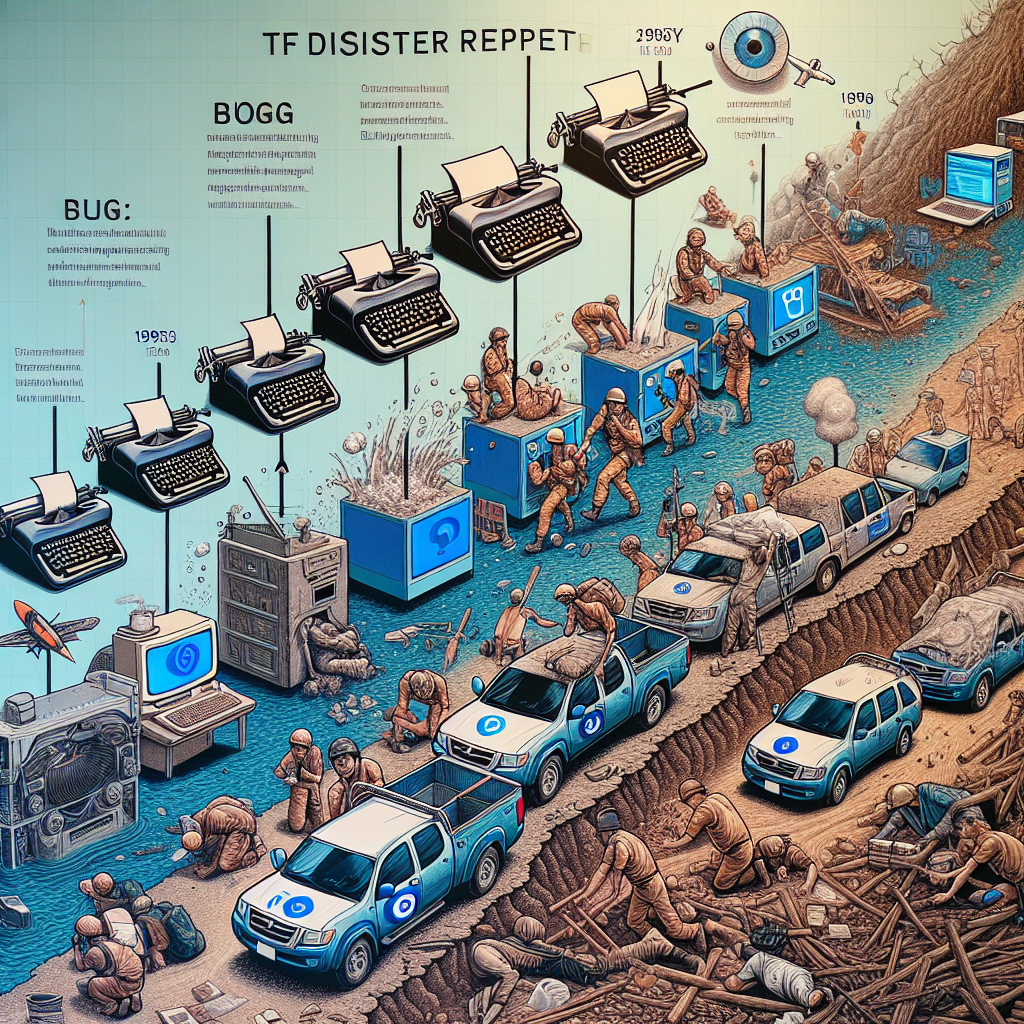
- Blogs: Early 2000s saw blogs as a crucial tool for sharing detailed information and personal accounts during disasters.
- Facebook and Twitter: Mid-2000s introduced real-time updates and widespread reach, allowing for rapid dissemination of information.
- Instagram and Snapchat: Visual storytelling became prominent, providing impactful imagery and videos from disaster zones.
- Bluesky: Emerging platforms like Bluesky are now exploring decentralized networks to enhance data security and reliability in crisis communication.
Impact on Disaster Response
The evolution of social media has significantly impacted how information is shared and consumed during disasters. Key benefits include:


- Real-time Updates: Platforms like Twitter enable instant communication, crucial for timely warnings and updates.
- Community Engagement: Social media fosters community support and collaboration, essential for effective disaster response.
- Data Collection: User-generated content provides valuable data for emergency services to assess situations and allocate resources efficiently.
Challenges and Considerations
Despite its advantages, the use of social media in disaster response presents challenges:


- Information Overload: The sheer volume of data can overwhelm users and responders, complicating decision-making.
- Misinformation: The rapid spread of false information can hinder response efforts and create panic.
- Privacy Concerns: The collection and use of personal data raise ethical and privacy issues.
Conclusion
The evolution of social media from blogs to platforms like Bluesky highlights its growing importance in disaster response. While offering real-time communication and community engagement, it also presents challenges such as misinformation and privacy concerns. As technology continues to advance, the role of social media in disaster response will likely expand, necessitating ongoing adaptation and innovation.













