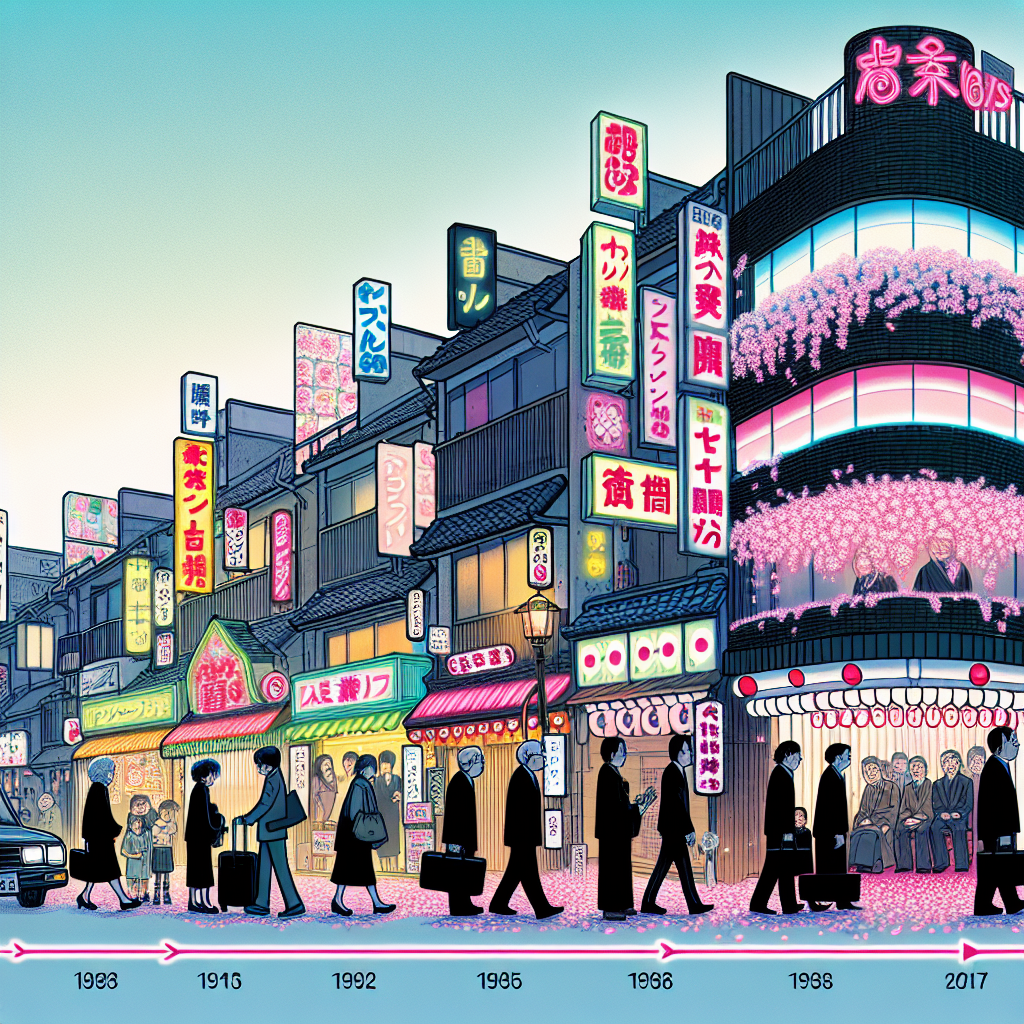
From Love Motel to Funeral Home: Japan’s Response to Population Decline

From Love Motel to Funeral Home: Japan’s Response to Population Decline
Introduction
Japan is facing a significant demographic challenge with its declining population. This issue has prompted innovative and sometimes surprising adaptations in various sectors, including hospitality and real estate. The transformation of love motels into funeral homes is a striking example of how businesses are responding to these demographic shifts.

Adapting to Demographic Changes
As Japan’s population ages and birth rates fall, the demand for certain services has shifted dramatically. This has led to creative repurposing of existing infrastructure to meet the needs of an aging society.


- Love Motels: Once popular for short-term romantic stays, these establishments are now being converted into funeral homes to cater to the increasing number of elderly citizens.
- Real Estate Shifts: With fewer young people, there is less demand for traditional housing, prompting a reevaluation of property use.
Economic and Social Implications
The transformation of love motels into funeral homes is not just a business strategy but also reflects broader economic and social trends in Japan.


- Economic Adaptation: Businesses are finding new revenue streams by catering to the needs of an aging population.
- Social Impact: The shift highlights the changing social fabric of Japan, where the focus is increasingly on elder care and end-of-life services.
Conclusion
Japan’s innovative response to its population decline, exemplified by the conversion of love motels into funeral homes, underscores the country’s ability to adapt to demographic challenges. This transformation not only addresses immediate economic needs but also reflects a broader societal shift towards accommodating an aging population. As Japan continues to navigate these changes, its strategies may offer valuable insights for other nations facing similar demographic issues.