
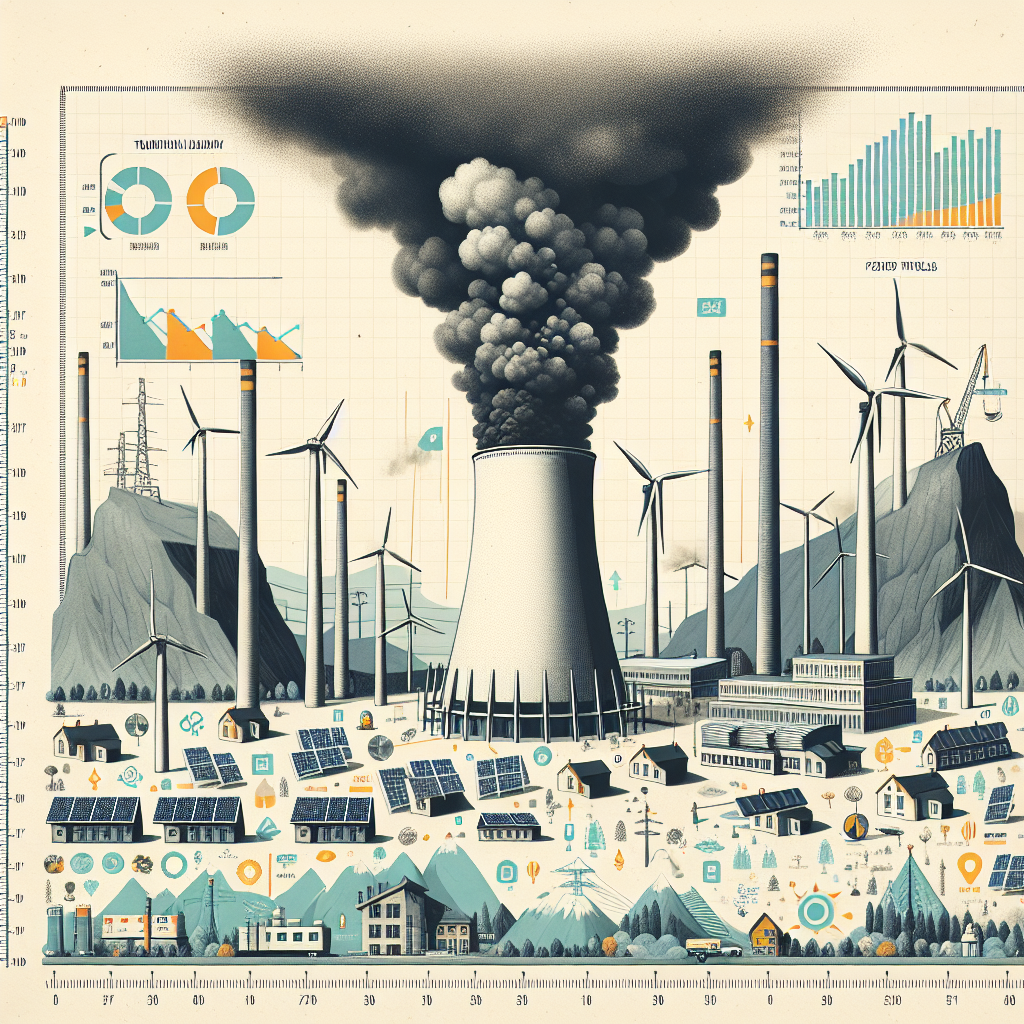
Global Clean Energy Growth Falls Short of Replacing Fossil Fuels: Report

Global Clean Energy Growth Falls Short of Replacing Fossil Fuels: Report
Introduction
A recent report highlights a critical gap in the global transition from fossil fuels to clean energy. Despite significant advancements in renewable energy technologies, the pace of growth is insufficient to meet the urgent need for reducing reliance on fossil fuels.

Key Findings
- Insufficient Growth Rate: The expansion of clean energy sources is not keeping pace with the increasing global energy demand.
- Fossil Fuel Dominance: Fossil fuels continue to dominate the energy landscape, with coal, oil, and natural gas still accounting for a significant portion of global energy consumption.
- Investment Gaps: There is a notable shortfall in investments required to scale up renewable energy infrastructure and technologies.
- Policy Challenges: Inconsistent policies and regulatory frameworks across different regions hinder the accelerated adoption of clean energy solutions.
Challenges in Transition
The report identifies several challenges that impede the transition to a clean energy future:


- Technological Barriers: While advancements are being made, certain technologies are not yet mature enough to replace fossil fuels entirely.
- Economic Factors: The cost of transitioning to renewable energy remains a significant barrier for many countries, particularly in developing regions.
- Infrastructure Limitations: Existing energy infrastructure is heavily reliant on fossil fuels, requiring substantial upgrades to accommodate renewable sources.
Opportunities for Improvement
Despite the challenges, the report outlines several opportunities to enhance the growth of clean energy:


- Increased Investment: Boosting financial support for renewable energy projects can accelerate development and deployment.
- Policy Reforms: Implementing consistent and supportive policies can drive the transition towards a sustainable energy future.
- Technological Innovation: Continued research and development can lead to breakthroughs that make clean energy more viable and cost-effective.
Conclusion
The report underscores the urgent need for a coordinated global effort to accelerate the transition to clean energy. While progress has been made, the current growth rate is insufficient to replace fossil fuels entirely. Addressing investment gaps, policy inconsistencies, and technological barriers is crucial to achieving a sustainable energy future.















