
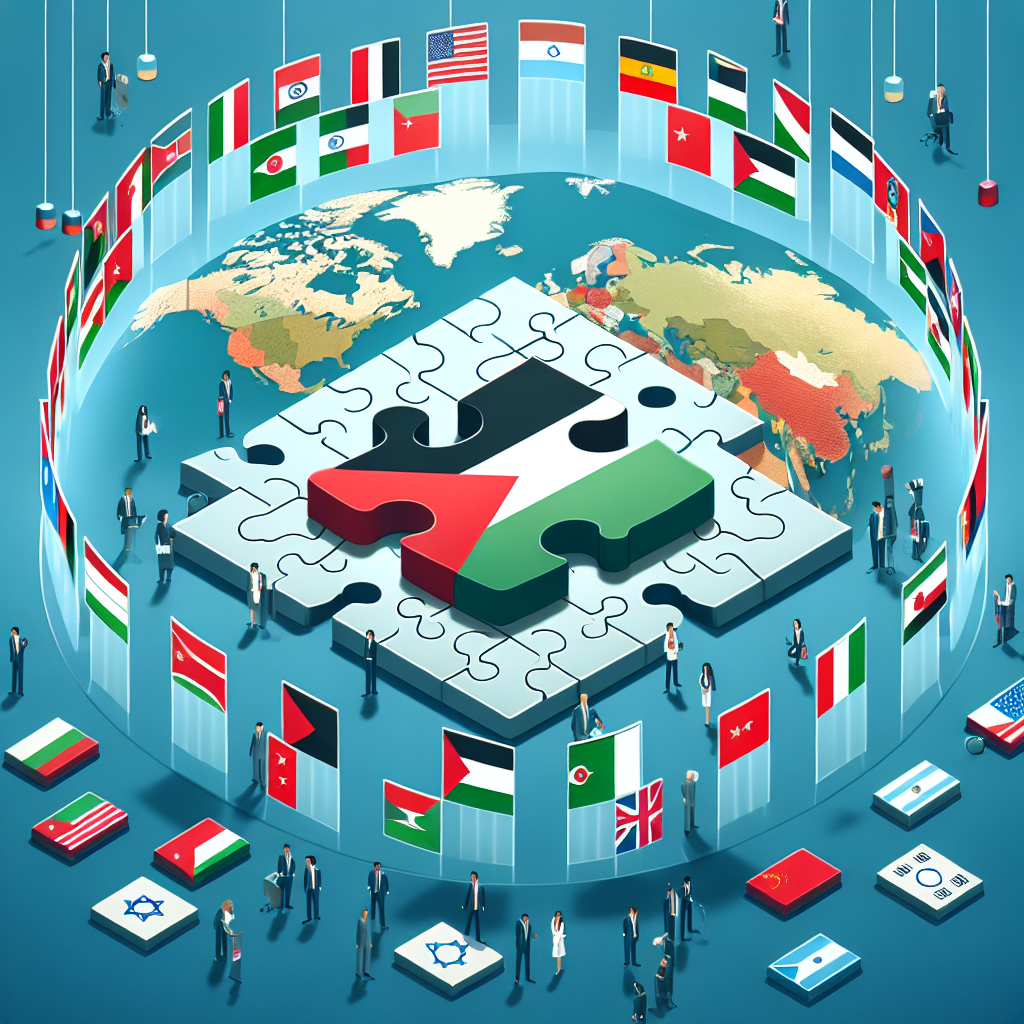
Global Recognition of Palestine: A 2025 Overview

Global Recognition of Palestine: A 2025 Overview
Introduction
In 2025, the international landscape regarding the recognition of Palestine has seen significant developments. This overview provides insights into the current status, key players, and the implications of these changes on global politics.

Current Status of Recognition
As of 2025, Palestine’s recognition on the global stage has reached new milestones. Several countries have shifted their stance, leading to increased diplomatic acknowledgment.


- Over 140 countries now officially recognize Palestine as a sovereign state.
- Recent recognitions include major nations in Europe and Asia, marking a shift in geopolitical alliances.
- The United Nations has seen increased advocacy for Palestine’s full membership.
Key Players and Influences
The recognition of Palestine has been influenced by various international actors and organizations.


- European Union: Several EU countries have individually recognized Palestine, though the EU as a whole remains divided.
- Arab League: Continues to support Palestine’s bid for recognition and sovereignty.
- United States: While traditionally a strong ally of Israel, recent administrations have shown a more balanced approach.
Implications for Global Politics
The growing recognition of Palestine has significant implications for international relations and regional stability.
- Potential for renewed peace talks between Israel and Palestine, with increased international pressure for a two-state solution.
- Shifts in alliances, particularly in the Middle East, as countries reassess their diplomatic strategies.
- Increased dialogue within international organizations about the rights and status of Palestinian territories.
Conclusion
The global recognition of Palestine in 2025 marks a pivotal moment in international diplomacy. With over 140 countries acknowledging its sovereignty, Palestine’s status is more prominent than ever. This shift not only influences Middle Eastern geopolitics but also prompts broader discussions on peace and stability in the region. As the world continues to navigate these changes, the path towards a lasting resolution remains a critical focus for global leaders.















